Start your 3-day free trial
Sign up to experience all premium features at no cost.
*Available only to new users. Each user is limited to one trial.
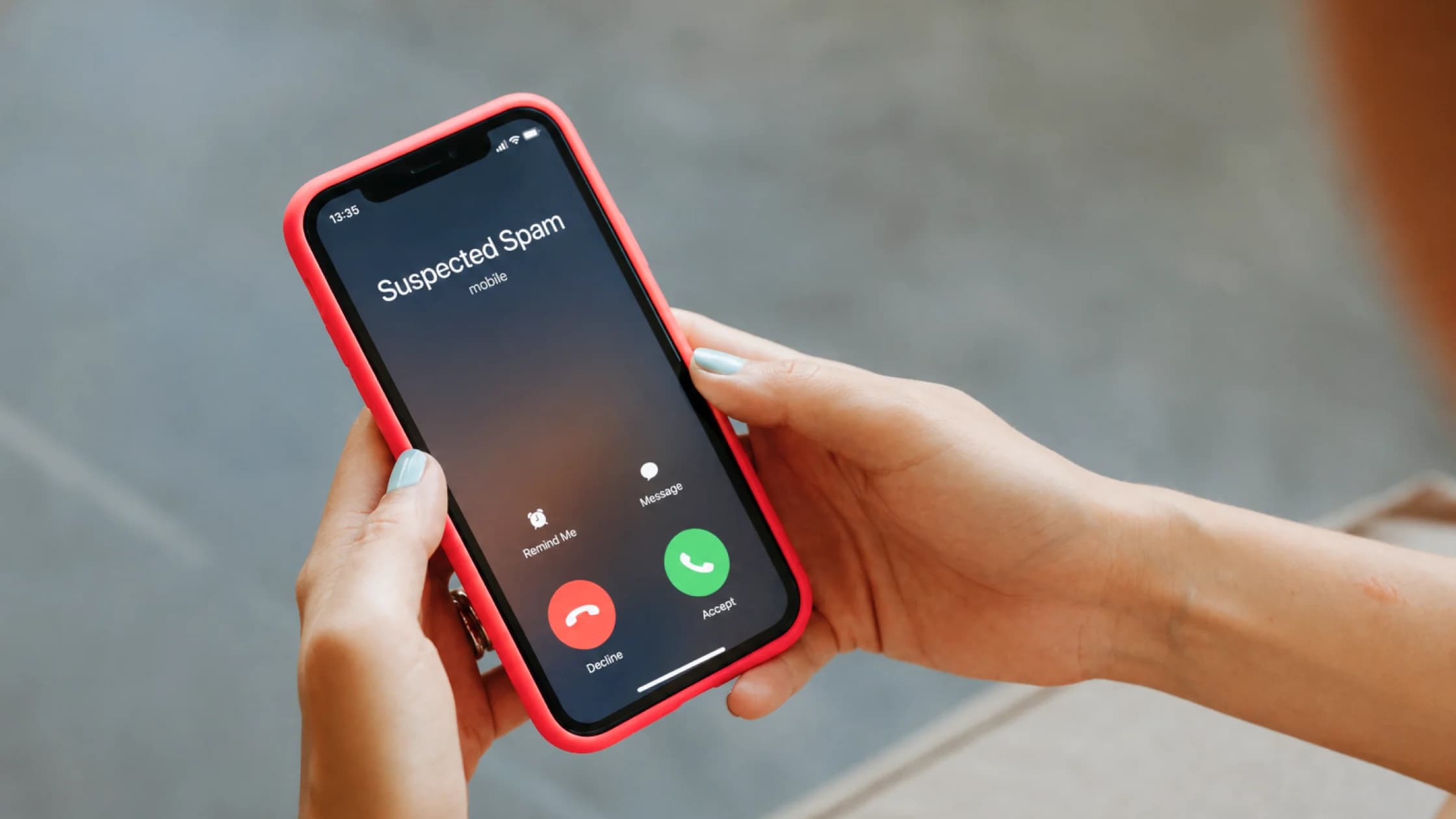

When people see 934 or another unfamiliar area code, they often search whether the number is a scam. That is understandable, but the area code alone is not enough. The FTC has repeatedly warned that scammers can spoof caller ID so a call appears to come from a local number, a government agency, or even someone you know.[1][2]
So the more accurate answer is: an unfamiliar area code is not automatically a scam, but a number that looks local or familiar is not automatically safe either.
If you have also received suspicious texts, verification links, or “customer support” requests for more information, read this together with can you get hacked by replying to a text?.
Use the digital privacy guide as the wider checklist: it connects this issue to accounts, devices, identifiers, and data-broker exposure.
No. The more important warning sign is that the number looks familiar, because caller ID can be spoofed.[1][3]
That means:
FCC records describe 934 as an overlay for New York’s 631 area code.[6] The question should not be “is 934 a blacklist area code?” It should be “does this call behave like a scam?”
Because you are more likely to answer.
FTC guidance on unwanted calls specifically mentions neighbor spoofing: scammers copy your area code, and sometimes the first six digits, so the call looks like it came from a nearby business, neighbor, school, or local office.[3]
That is why people often say:
Examples include “transfer money now,” “verify right away,” or “your account will be closed.” The stronger the time pressure, the more suspicious the call.
The FTC repeatedly warns that requests for hard-to-recover payment methods are a major scam signal.[1]
Be especially careful when a text, voicemail, or robocall gives you a callback number and pushes you to use it.
The FTC is clear: real government agencies do not suddenly call and demand money to “keep you safe.”[2]
That may include your date of birth, verification code, card digits, Social Security number, or email password reset code.
Once that information is gone, the situation can turn into synthetic identity theft or account takeover.
The FTC says many sales robocalls are illegal and are often scams.[4]
Do not explain that you do not have the order, do not owe the money, or think they reached the wrong person. The longer you talk, the more information they can extract.
If the caller claims to be a bank, police department, delivery company, or tax agency, use the number from the official website, statement, or app. Do not call the number they gave you.[1][2]
The FTC recommends using blocking, labeling, and filtering tools from your carrier or device.[3]
If your phone number already appears on people-search sites, combine blocking with Whitepages opt-out or MyLife removal.
If you suspect a scam or illegal robocall, you can report it to the FTC or FCC.[3][5]
Calling back tells the scammer:
Some scams are built around getting you to call back.
And if that callback leads you to click a link, install an app, or provide a verification code, the risk expands from a phone scam into account security.
Usually no. Simply answering a call typically does not compromise a phone. The real danger comes from what happens afterward, such as:
If texts or verification prompts are involved, continue with can you get hacked by replying to a text?. If your browser or search results are also redirecting, another useful clue is why does Google redirect to Bing?.
No. 934 is part of the real 631/934 overlay, but the area code alone does not prove whether a call is legitimate. Look at the script, payment request, and callback instructions.[1][3][6]
No. The FTC warns that scammers commonly use spoofing to appear local.[1][3]
Usually no. The real risk comes from clicking, installing, paying, or sharing personal information afterward.
No. Use the official website, statement, or app to find a verified contact number.[1][2]
No. The FTC explains that it mainly affects legitimate sellers. It cannot stop criminals from making illegal calls.[3]
Hang up. Do not press numbers, do not interact with the recording, and consider blocking and reporting it.[4]
Disclaimer
This article is for general scam-awareness and privacy education only. It is not law enforcement, financial, or legal advice. Area code assignments, number labels, and scam scripts can change over time.
As the publisher, AethoVPN notes that area code spam remains outside what a VPN can fix.
Sources
Sources checked 8 May 2026.
Related Articles:
Sign up to experience all premium features at no cost.
*Available only to new users. Each user is limited to one trial.