Start your 3-day free trial
Sign up to experience all premium features at no cost.
*Available only to new users. Each user is limited to one trial.


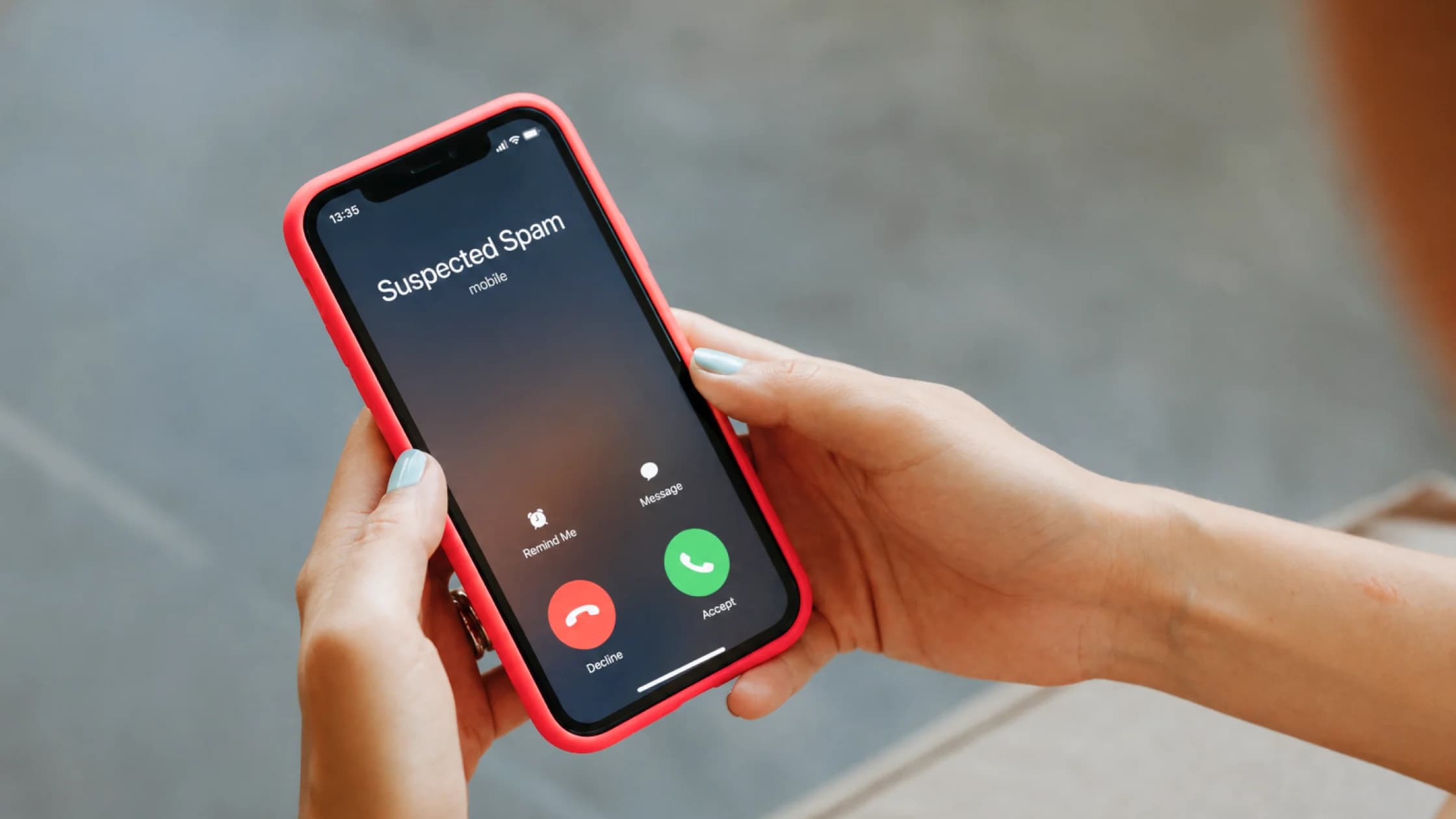
Here is the short version: the real value of a virtual phone number is usually not that it gives you a random number. It is that it lets you move your real primary number away from high-exposure situations. A virtual number can be useful for reducing spam texts, secondhand marketplace contact, marketing signups, or short-term communication. It is a weaker fit for bank recovery, primary email recovery, or long-term identity verification unless you understand the risks.[1][2]
Many people search for a phone number generator, but what they really need is a safer public or temporary contact number. Those are not the same thing.
Use the digital privacy guide as the wider checklist: it connects this issue to accounts, devices, identifiers, and data-broker exposure.
Key Takeaways
- A virtual phone number usually works through internet calling or cloud communications and may not depend on a physical SIM card.[1]
- It is best used as a public contact number, low-risk signup number, or temporary communication line.
- The useful part is not speed. It is choosing the right number layer.
- One-time verification numbers, public contact numbers, and primary recovery numbers should not be mixed.
- If your main number is already exposed, number layering often helps more than blindly changing numbers.
In simple terms, it is a phone number that can call, text, or forward calls, but it does not always have to be tied to the physical SIM card in your phone. The FCC definition of interconnected VoIP refers to services that use a broadband connection, IP-compatible equipment, and can connect with the public telephone network.[1]
So many products marketed as a phone number generator are really offering one of these things:
Because the real problems are usually practical:
Most people need exposure management, not a mysterious number generator.
If your number has already triggered harassment after a leak, read what to do if your phone number is found on the dark web.
Use it on public profiles, secondhand marketplaces, rental listings, short-term projects, or social bios. The point is not perfect anonymity; it is keeping your main number out of the open.
Trials, discount sites, newsletters, and low-priority accounts usually do not need to be tied deeply to your primary number.
Services such as Google Voice explicitly support using a number on the web and on mobile devices.[2] If you want calls to work across a computer, tablet, and phone, this can be more flexible than a physical SIM.
Customer support, consultations, and routing calls are work entry points. They should not be mixed with a personal primary number.
These uses depend on long-term control, stable recovery, and clear ownership. If the number provider has a problem or you lose access to that provider, the risk can spread to your most important accounts.
If one number controls recovery for everything important, it should not be merely convenient.
Putting every high-value account on the same secondary number may feel simple, but it concentrates risk.
| Number role | Good for | Avoid using it for |
|---|---|---|
| Primary number | Banking, primary email, family, core contacts | High-exposure platform signup |
| Public contact number | Marketplaces, public profiles, business contact | Banking and high-security recovery |
| Temporary signup number | Low-risk trials, promotions, one-time signup | Long-term identity binding |
This is where virtual numbers become useful: different exposure levels no longer share the same phone number.
Using an official service such as Google Voice as an example, the typical process is:
Google also says the number can be used for calls, texts, and voicemail on the web and on mobile devices.[2]
This determines whether the number has to be stable for the long term.
Not every service is globally available. Confirm this first.
Many problems are not about calling. They are about verification texts and SMS reliability.
Recoverability matters more than a cheap plan.
If every platform gets the same virtual number, exposure will build up again.
phone number generator;The third mistake deserves extra care. Many sites that promise a “free mobile number generator” are not trustworthy. Look for a legitimate service with clear ownership, transparent rules, and a recoverable account path.
Pair this with how to judge suspicious area-code calls for a fuller response.
A virtual number usually relies on internet calling or cloud communications and may not be tied to a physical SIM card.[1]
Some can, but not every platform accepts them, and not every service supports SMS reliably.
Usually not as a blanket rule. High-security accounts need long-term control and stable recovery.
In usage terms, yes. Google says it can be used on the web and on mobile devices.[2]
You often do not know who controls the number, how logs are handled, when it may be recycled, or whether you can recover access later.
Disclaimer: This article is for general digital privacy and communications-tool guidance only. It does not constitute legal, financial, or telecommunications service advice. Number retention, recycling, SMS support, and regional availability vary by provider. Always check official rules.
AethoVPN publishes this guide, but a VPN connection cannot resolve the issue discussed here: virtual phone number.
Sources:
Sources checked 8 May 2026.
Related Articles:
Sign up to experience all premium features at no cost.
*Available only to new users. Each user is limited to one trial.