Start your 3-day free trial
Sign up to experience all premium features at no cost.
*Available only to new users. Each user is limited to one trial.


If you are looking for types of hacking, the easiest mistake is assuming every attack means someone directly broke into a device. In real life, hacking methods vary, but the goals often fall into a few buckets: tricking you into handing over information, installing malware, locking data for ransom, taking services offline, hijacking communications, or expanding access with old credentials.[1][2][3]
Instead of memorizing terms, it is more useful to understand what each attack does, where the damage can spread, and which ones regular users should defend against first.
Key Takeaways
- Common types of hacking can be grouped as stealing information, controlling devices, locking data, disrupting services, hijacking connections, manipulating people, and taking over accounts.[1][2][3]
- For regular users, phishing, malware, ransomware, and account takeover usually deserve the most attention.
- Many attacks do not appear alone: phishing can lead to malware, credential theft, account takeover, or ransomware.
- Not every attack goes straight for money. Some first target access, sessions, or account recovery chains.
- The point of learning the categories is not terminology; it is choosing the right first response faster.
| Type | Usual goal | Common entry point for regular users |
|---|---|---|
| Phishing | Trick you into sharing accounts, codes, or payment data | Email, SMS, social DMs, fake websites[1][2] |
| Malware | Steal data, monitor devices, install backdoors | Attachments, downloads, fake apps, malicious extensions[3] |
| Ransomware | Lock files or systems and demand payment | Malicious attachments, exploited flaws, remote access points[4] |
| Social engineering | Manipulate you into unsafe actions | Fake support, impersonated contacts, urgent notices[1] |
| Account takeover / credential stuffing | Use old passwords or leaked credentials to enter accounts | Password reuse, past breaches, weak passwords[5] |
| Man-in-the-middle or traffic hijacking | Intercept, alter, or misroute traffic | Untrusted networks, fake hotspots, certificate warnings |
| DoS / DDoS | Make a website or service unavailable | Bot traffic, botnets[2] |
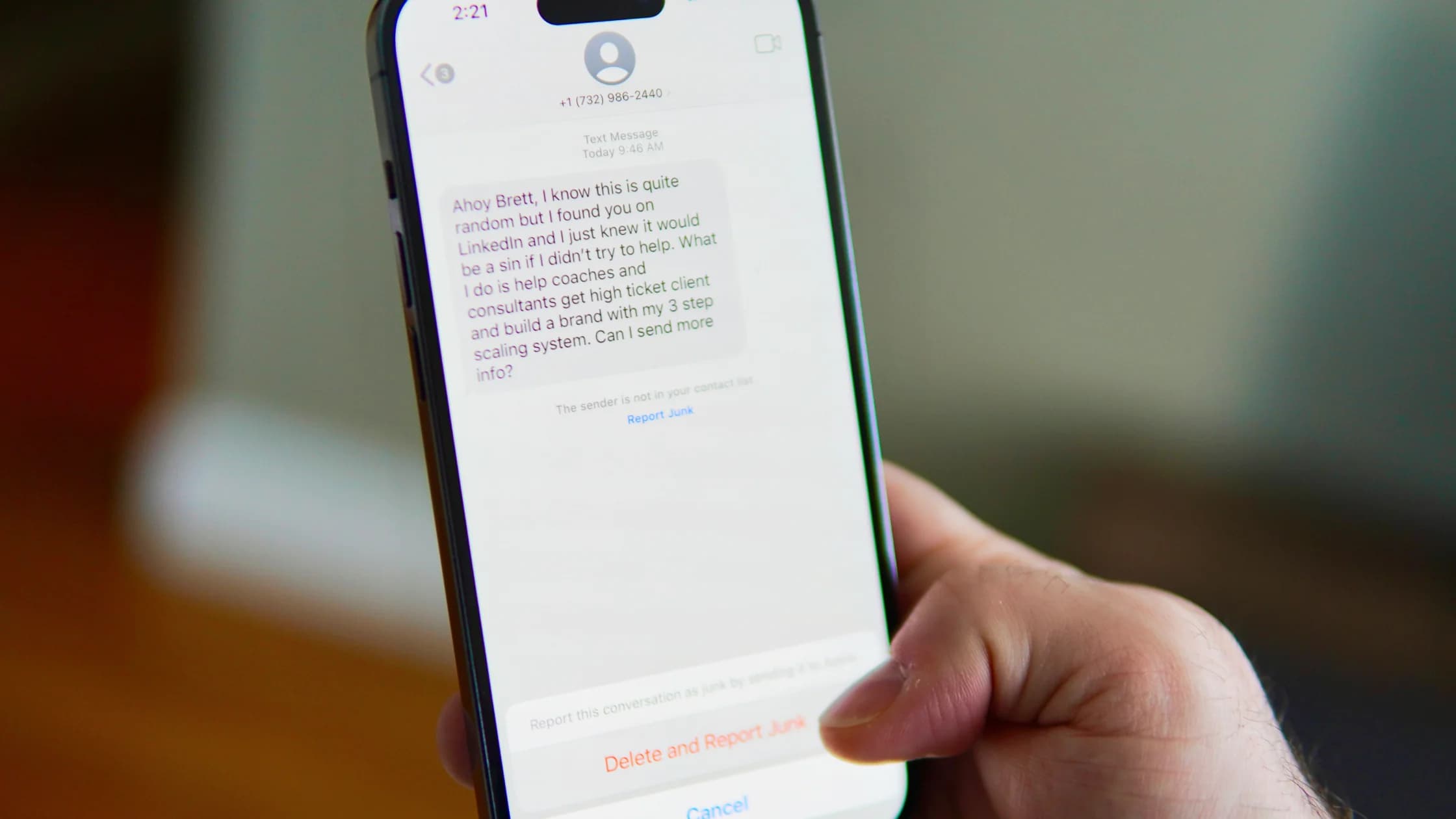
Phishing is one of the most common entry attacks. Attackers impersonate banks, delivery companies, employers, government agencies, or people you know to send you to fake pages or pressure you into sharing accounts, verification codes, and payment information. Cloudflare defines phishing around one core idea: tricking the victim into doing something that benefits the attacker.[1]
If you are dealing with this now, continue with What is phishing? Common types, warning signs, and prevention methods.
Malware is an umbrella term that includes viruses, trojans, spyware, worms, ransomware, and more. Cloudflare summarizes this class of threats as software designed to disrupt normal device operation or quietly take data and control.[3]
The hard part is that malware often does not make a computer explode on day one. It may quietly steal passwords, monitor keystrokes, or turn your device into a launchpad for the next attack.
Ransomware is a kind of malware, but it deserves its own category because of its impact. It encrypts files or locks systems, then demands payment for recovery.[4]
For individuals, it often enters through malicious attachments, infected downloads, or unpatched systems. For organizations, the damage can be much worse because it may spread across internal networks.
This type attacks people before it attacks technology. It may impersonate support agents, managers, coworkers, family members, or create a fake emergency that pushes you to skip normal verification.[1]
Many phishing scams and account takeovers work because social engineering is doing the pressure work behind the scenes. For more detail, read What is social engineering? How scammers bypass technical defenses.
This attack does not always need new technology. Old passwords can be enough. If your email and password leaked somewhere else, attackers may try the same pair across many websites. That is credential stuffing.
It is common because many people still reuse passwords. For attackers, it is one of the lowest-cost and highest-return paths.[5]
These attacks try to sit inside the communication path to observe, alter, or redirect traffic. Common scenarios include fake hotspots, untrusted public networks, certificate warnings, or pages that imitate real services.
They are less obvious than phishing and less dramatic than ransomware, but the danger is that you may not realize the connection has been tampered with. For more, read What is a man-in-the-middle attack? You may be more exposed than you think. If your concern is coffee shops, hotels, and airports, read Is public Wi-Fi dangerous? What really matters.
These attacks are not necessarily about stealing your data. They aim to make a website, app, or network service unavailable. Cloudflare defines DDoS as overwhelming a target with huge traffic so legitimate requests cannot get through.[2]
For regular users, this often looks like a service suddenly not loading. For businesses and site operators, it directly affects continuity.
In real incidents, they are often chained.
A common chain may look like this:
So when an incident looks like everything failed at once, it may simply be several attack types stacked together.
If you are not a security professional, you do not need to memorize every term. A practical priority order is:
For most people, the most common danger is not an elite attacker breaking straight through. It is being tricked into opening the door.
If you want to connect these attack paths to your everyday privacy exposure, read The complete digital privacy guide (2026).
types of hacking can be understood as phishing, malware, ransomware, social engineering, account takeover, man-in-the-middle attacks, and DoS / DDoS.[1][2][3][4]Not exactly. Malware is a broad class of attack tool, while hacking attack types also include phishing, social engineering, DDoS, account takeover, and more.[3]
Usually phishing, social engineering, and account takeover caused by password reuse, because they are easy to run and can pay off quickly.[1][5]
No. Many ransomware attacks mainly encrypt files so you cannot use them, but real-world attacks may also steal data and then extort victims.[4]
Usually no. Its main goal is to make a website or service unavailable.[2]
Email is often the recovery center, and password reuse can turn one leak into many compromised accounts. Once attackers have those entry points, they can expand.[5]
Disclaimer
This article is for general cybersecurity education only and does not constitute forensic, incident response, or legal advice for any specific attack.
As the publisher, AethoVPN notes that types of hack remains outside what a VPN can fix.
Sources
Sources checked 8 May 2026.
Related Articles:
Sign up to experience all premium features at no cost.
*Available only to new users. Each user is limited to one trial.