Start your 3-day free trial
Sign up to experience all premium features at no cost.
*Available only to new users. Each user is limited to one trial.
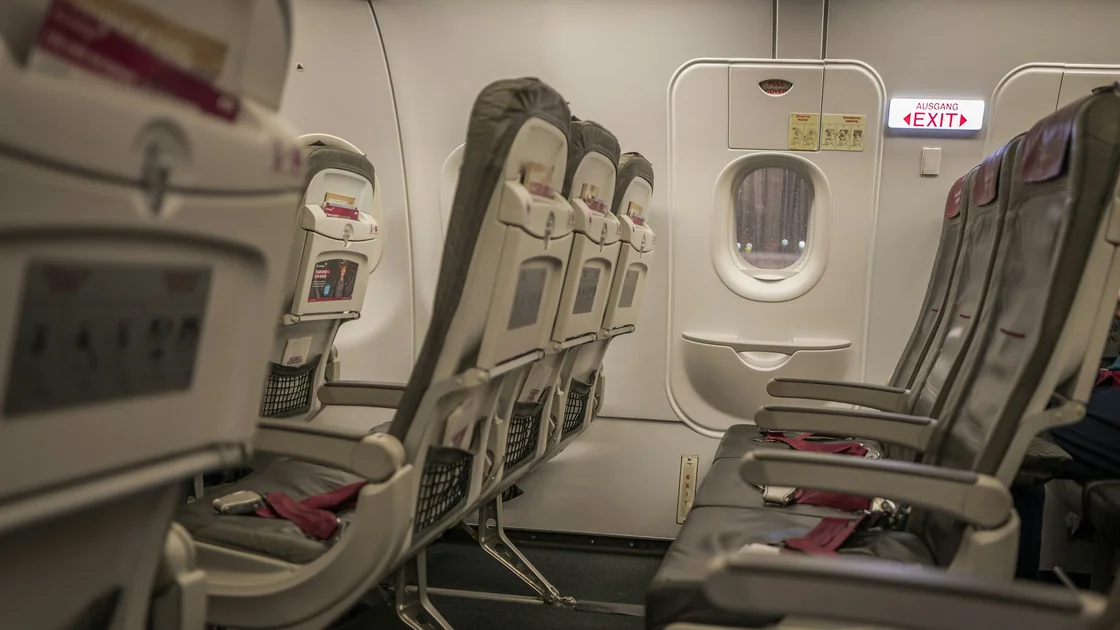

If an airline downgraded your cabin after booking, press your case in writing and segment by segment: confirm the affected operating flight, preserve the original ticket and new boarding evidence, get written alternatives before deciding whether to travel, then claim the refund or fare difference the applicable rule or contract provides. The remedy depends on the route, carrier, contract, payment, and law—not simply the label on your reservation.
Key Takeaways:
- Distinguish a true cabin downgrade from a seat change within the same cabin.
- Record the operating carrier, flight segment, ticketed cabin, fare, and cabin actually flown.
- Ask for original-cabin rebooking, another suitable flight, or written lower-cabin terms before accepting.
- Keep “I declined the changed trip” separate from “I traveled in the lower cabin.”
- Calculate the request for the affected segment and list lost ancillary services separately.
- Apply US, EU, contractual, or other rights only when their coverage tests are met.
Store the ticket and decision record with your broader international travel preparation documents. A downgrade dispute becomes much harder when the original cabin, segment, and fare evidence disappears after check-in.
Compare the original confirmation, e-ticket receipt, fare basis, booking class, cabin name, and seat map with the new boarding pass and cabin actually provided. Economy to another economy seat is usually a seat-assignment issue, even when the new seat has less preferred location. Business to premium economy or economy is a cabin downgrade.
A booking-site warning that at least one of the flights might be operated in a lower cabin is different: it discloses a mixed-cabin itinerary before you pay. Check which segment it covers before purchase; it is usually not an involuntary downgrade after booking.
Do not rely on a seat number alone. Different aircraft use different numbering, and an equipment change can move the same cabin to a new map. Ask the airline to state in writing the original and new cabin, booking class, reason for the change, and affected operating flight.
Identify every segment separately. A four-flight itinerary can contain one downgraded leg and three unchanged legs. Record the marketing carrier, operating carrier, flight number, date, origin, destination, ticket number, and coupon or segment status. This prevents a complaint from incorrectly treating the entire trip as downgraded.
Also separate the cabin from extras. A lost seat selection, lounge invitation, baggage allowance, priority service, meal, bed, or upgrade certificate may require its own analysis. Do not assume every missing benefit changes the ticketed cabin, but list each paid or promised item that was not delivered.
Save the original e-ticket receipt, fare breakdown, confirmation, itinerary, seat assignment, upgrade confirmation, voucher or points record, payment proof, and applicable fare conditions. Export documents rather than relying on a live app that may overwrite the old state. Keep the original currency and taxes visible.
Capture the downgrade notice, time, channel, stated reason, and any options offered. At the airport, note the desk, staff team, queue time, and case reference without recording unrelated passengers. Keep the replacement boarding pass and, after travel, proof of the cabin actually flown.
Ask whether the change is voluntary or involuntary. Do not sign or click a voluntary-change acknowledgment without reading it. If you accept a choice because no practical alternative was offered, record the exact choices, deadlines, and consequences described rather than using an unsupported legal conclusion.
Request an updated ticket or written service note. A verbal promise that a refund will appear later does not show the amount, calculation, currency, or owner of the case. If the airline takes the old boarding pass, photograph it first where permitted.
Ask whether the airline can keep you in the original cabin on the same flight, rebook that cabin on a later flight, route you on another flight, or transport you in the lower cabin with a documented refund or reimbursement process. Request departure and arrival times, connections, airport changes, baggage handling, and ticket-status consequences for each option.
Do not focus only on the next flight. A change can affect transit permission, an onward separate ticket, hotel check-in, mobility arrangements, companions, and remaining coupons. Ask the ticket-controlling party to confirm that return and onward segments will remain valid.
If you booked through an agent, the operating airline may control airport accommodation while the agent controls a voluntary ticket change or refund workflow. Contact both when necessary, but state what you need from each. Do not allow them to close the case merely by referring you back and forth; request the reason and responsible ticketing channel in writing.
Set a decision deadline based on actual departure, not an arbitrary complaint timetable. Preserve screenshots showing options and availability at that moment. Do not buy a costly replacement solely to create a claim without first checking whether the applicable contract or law requires the airline to offer a particular remedy.
Make an explicit record of your choice. If the airline’s change means you decide not to take the affected transportation, request cancellation of the correct unused segments and written confirmation that remaining tickets are protected or refunded as applicable. Avoid becoming a no-show without instructions, because that can cancel later segments.
For flights covered by current US DOT refund rules, an involuntary move to a lower class of service is listed as a significant change. A passenger who rejects a significantly changed itinerary and does not accept alternative transportation or compensation may be entitled to a refund under that US framework.[1] Coverage and the status of each unused service must still be checked.
If you fly in the lower cabin, the issue is normally the value or statutory remedy for the downgrade rather than a full refund for transportation already used. The US DOT also says a passenger involuntarily downgraded is owed the fare difference.[1] Ask what fare comparison the carrier uses and preserve its calculation.
Do not mix these positions in one demand. “I did not travel and request the unused-ticket refund” differs from “I traveled and request the downgrade remedy.” If only one segment was changed, explain what happened on that segment and what happened to the rest.
Start with the original ticket receipt and identify the affected flight coupon. Ask the airline for its segment valuation, cabin comparison, taxes, surcharges, points, copay, upgrade instrument, and any refunded extras. Do not invent a simple division of a return fare unless the applicable rule or carrier calculation supports it.
Where EU Regulation 261/2004 applies, Article 10 sets reimbursement percentages—30%, 50%, or 75%—according to flight distance and specified routing, and requires reimbursement within seven days for the downgraded flight price.[2] The official Your Europe guidance summarizes the same current downgrade categories and coverage context.[3] Apply them only after confirming the flight falls within the regulation.
Keep this statutory calculation separate from lost extras. A paid seat, lounge access, baggage bundle, onboard product, or upgrade charge may have its own refund basis. List each item, amount, currency, proof, and whether any replacement benefit was supplied.
For points or award travel, preserve the points debit, cash component, original cabin award, and new cabin. Ask how the loyalty program restores points or values the involuntary change. Do not accept an unexplained voucher as equivalent to cash, points, or a statutory remedy; record restrictions and expiry before deciding.
Send a written claim to the operating carrier and, where ticketing requires it, the issuing airline or agent. Include passenger and ticket identity, affected segment, original and actual cabin, notice, choice made, supporting documents, applicable rule or contract, calculation, and requested remedy. Keep the claim focused on the downgrade rather than unrelated dissatisfaction.
Ask for the carrier’s written calculation and reasons. If it relies on a current economy fare that was unusually high or low, request the method and segment value used. If it rejects legal coverage, ask which route, carrier, or timing condition failed. Preserve every response and submission receipt.
Follow the airline’s complaint route, then an applicable regulator, approved alternative dispute body, consumer authority, card issuer, insurer, or legal process. Eligibility depends on geography, carrier participation, payment method, and issue type. A card dispute should describe the actual service difference; it is not automatically an unauthorized transaction.
Coordinate remedies. Report any fare credit, statutory reimbursement, points restoration, voucher, agent refund, card credit, or insurance payment. A provisional credit is not a final result, and receiving the same unreduced loss twice can create a new dispute.
Usually it is a seat-assignment problem, not a cabin downgrade. Check the ticketed and actual class of service, then claim any separately paid seat product on its own terms.
Potentially. Flying can still leave a fare-difference or statutory downgrade claim, but it is different from declining the changed trip and seeking an unused-ticket refund.
Ask the carrier for its affected-segment valuation and method. Do not assume the correct figure is today’s fare or a simple fraction of the total ticket.
Not automatically. Record each segment and seek the remedy for the affected flight while confirming that onward and return coupons remain valid.
It often is, but product names and booking classes vary. Use the ticket, aircraft cabin, and carrier confirmation rather than marketing language alone.
Record both marketing and operating carriers. The operating carrier may own the airport event, while the ticket issuer may control part of the refund workflow.
No. It cannot control airline inventory, preserve a ticket coupon, apply passenger-rights law, or require a carrier to rebook or reimburse you.
Sources checked 4 October 2026.
This article provides general information, not legal, financial, insurance, or contractual advice. Coverage, calculations, deadlines, ticket consequences, and remedies depend on the route, operating carrier, contract, payment, and applicable law.
Related reading:
Sign up to experience all premium features at no cost.
*Available only to new users. Each user is limited to one trial.