Start your 3-day free trial
Sign up to experience all premium features at no cost.
*Available only to new users. Each user is limited to one trial.
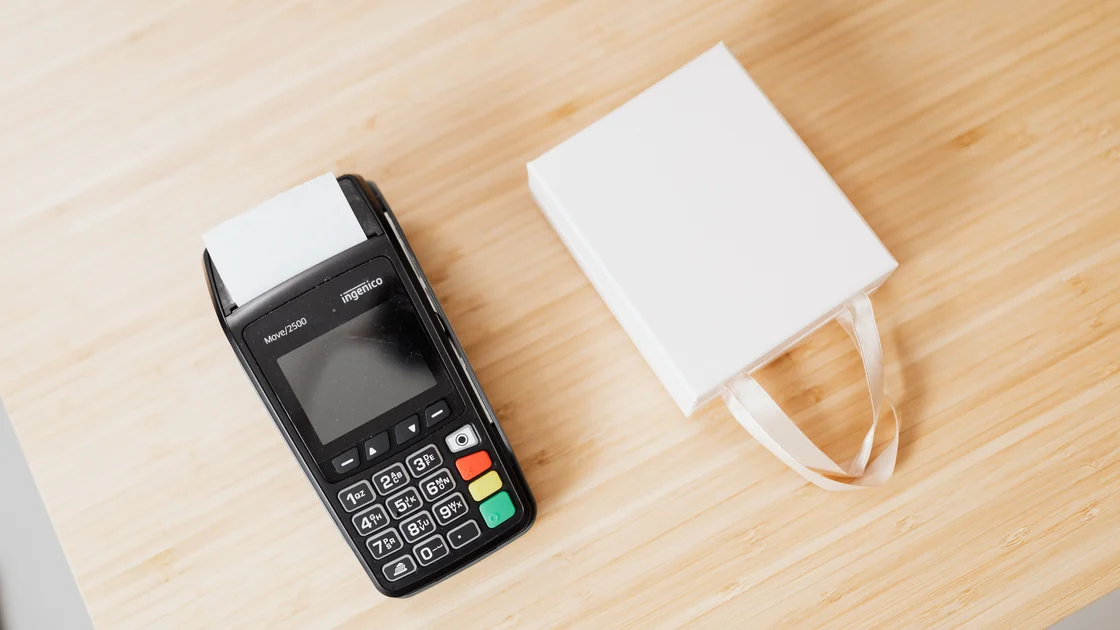

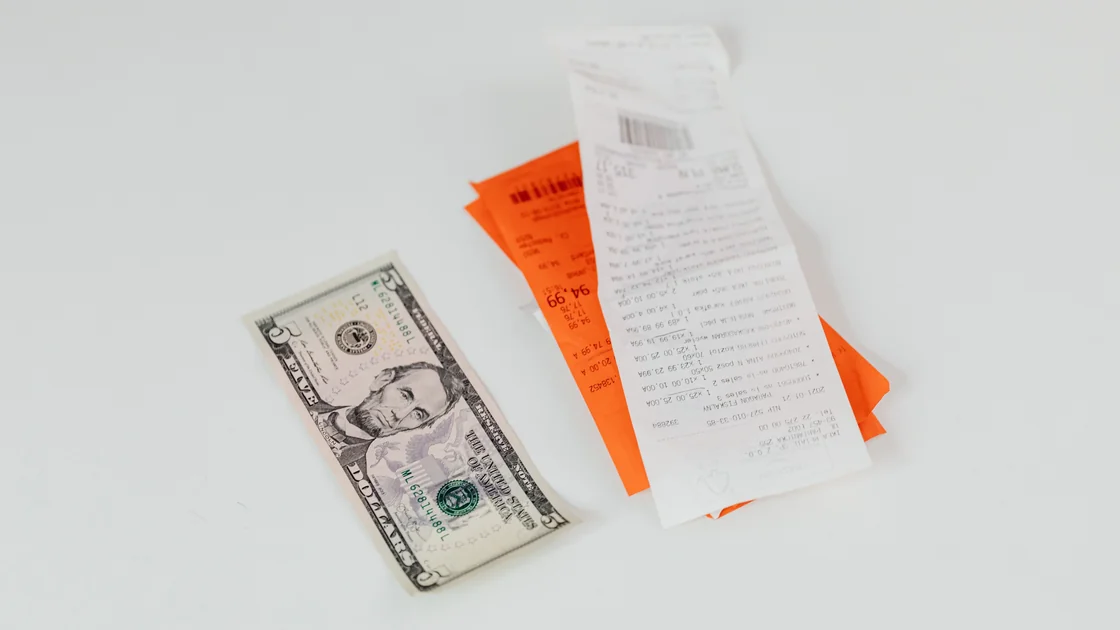
If an airline charged your card but no ticket appears, check two systems separately: the card transaction and the electronic ticket. Determine whether the charge is pending or posted, look for a ticket number and usable flight coupons, then contact the merchant and ticket issuer before paying a second time. If the flight shows as confirmed but your card was never charged, run the same checks in reverse before assuming the booking is paid.
Key Takeaways:
- A card alert, booking reference or confirmation email does not by itself prove that a ticket was issued.
- Record the transaction as pending, posted, reversed or refunded; those states require different responses.
- Find the merchant of record, ticket seller, ticket issuer and operating airline instead of assuming they are one company.
- Ask for written confirmation of either a usable ticket or a traceable void, reversal or refund.
- Avoid a duplicate purchase until the departure deadline and status of the first attempt are understood.
Keep payment recovery inside your wider international travel plan. If the entry is only a hotel or rental-car hold, the guide to hotel and rental-car holds explains that separate pattern; this article requires an airline booking attempt with no proven ticket.
Open the issuer's authenticated app or statement and record the exact status, amount, currency, merchant description and timestamp. A push notification can show an authorization request before the merchant completes the sale. A reduced available balance can therefore coexist with a pending entry that may later post, change amount or disappear.
Use the issuer's labels, not your own shorthand:
| Status | What it usually tells you | What it does not prove |
|---|---|---|
| Pending or authorized | Funds or credit may be temporarily reserved | That the airline issued a ticket |
| Posted or completed | The transaction reached the statement ledger | That every flight coupon is usable |
| Reversed or voided | The authorization or sale was canceled | When available balance will fully update |
| Refunded or credited | A later credit was recorded | That the original booking remains active |
Ask the issuer whether it sees an authorization, a completed purchase or both. Do not call every temporary reduction a final debit, and do not assume that a pending entry will certainly vanish on a particular day. The merchant, issuer, card network, account type and local rules can affect timing.
If two separate entries appear for one attempt, move to the duplicate-charge guide. Keep this case focused on one apparent payment and the absence of a valid ticket.
A booking reference locates a reservation. An order number records a commercial attempt. Neither is necessarily the electronic ticket. Look for an e-ticket receipt that identifies the passenger, itinerary, ticket issuer and ticket number, often a 13-digit number in traditional ticketing systems. Then ask whether the relevant ticket coupons are open or otherwise valid for travel.
Check each passenger. A family booking can issue some tickets while another remains pending. Confirm every segment as well: a route displayed in “manage booking” can exist while payment or ticketing has failed. A boarding choice, seat map or loyalty-account entry is also not conclusive ticket evidence.
Save the exact error and the time you checked. Useful evidence includes:
Do not post these details publicly. A booking reference plus a surname can expose a trip in some systems.
Run the same two checks in reverse. A confirmation email can arrive before the seller captures payment, and some bookings are held without immediate ticketing until a payment or ticketing deadline. Look for an e-ticket number, then check every card, account and payment method you used, including pending entries.
If no ticket number exists and no payment appears, ask the seller in writing whether payment is still due, when the hold expires and whether the reservation will be canceled. If a ticket number exists, ask whether payment was taken through another method or will be collected later. Do not treat an unpaid booking as a free ticket, and do not pay again until the seller confirms which transaction it expects.
Separate four roles. The merchant of record is the entity named on the card transaction. The seller accepted the booking. The validating or ticketing carrier issued, or was supposed to issue, the electronic ticket. The operating carrier will fly the aircraft. An airline-direct purchase may combine them; an online travel agent, package or codeshare may not.
The US Department of Transportation explains that, for covered refunds, the merchant of record is the entity shown on the financial statement and may be an airline or ticket agent.[3] This helps identify a responsible refund party in scope, but it does not turn every global booking failure into a US refund claim.
Start from the official receipt or booking site, not a search ad or unsolicited support number. Ask the seller:
If the operating airline can see only a reservation without a ticket, ask it to describe that status in writing, then return to the seller or issuer that controls the transaction.
Request one of two clear outcomes: a usable ticket with an e-ticket receipt, or confirmation that no ticket will be issued and the payment is being voided, reversed or refunded. Avoid vague assurances such as “the booking is in the system.” Ask for the ticket number, coupon status or financial reference that lets another agent verify the action.
Set your follow-up time from the seller's written promise and the departure deadline. If the seller says ticketing is queued, ask when the fare expires and what happens if issuance fails. If it says a reversal was sent, ask for the date and transaction reference, then let the card issuer explain how that status will appear on your account.
For US credit-card purchases, the Consumer Financial Protection Bureau advises consumers seeking a refund to contact the seller first and explains that card protections may be available if the seller will not refund a purchase.[1] The exact legal procedure, deadline and protection depend on the card and jurisdiction; do not copy US instructions into a claim elsewhere.
Keep communication factual. Do not call the transaction fraud if you recognize the merchant and initiated the purchase. If the merchant descriptor is unfamiliar or the seller cannot locate the attempt, tell the issuer exactly that and follow its security advice.
Balance departure urgency against duplicate-payment risk. First ask whether the original order can still issue and whether another purchase would create a second valid booking. Check current fare and availability without entering card details. If travel is not imminent, written resolution is usually clearer than repeated checkout attempts.
When departure is close and the seller cannot issue the ticket in time, ask it to close the failed order in writing before buying again. If that is impossible, record the deadline, contacts and reason a replacement became necessary. Use an official seller and a payment method you can monitor. Do not reuse a suspicious link merely because it displays the old booking reference.
After a second purchase, compare passenger, route, date and booking references. Do not cancel the confirmed replacement while trying to preserve the failed order. Tell the issuer and seller which transaction corresponds to which booking so a later refund or dispute does not remove the valid ticket by mistake.
Keep sufficient funds or credit for the temporary overlap when possible. A pending authorization may reduce available balance even if it later falls away. The card-failure guide can help prepare a separate payment route, but no backup method resolves the first transaction automatically.
Contact the issuer promptly if the merchant is unrecognized, you suspect account compromise, the seller denies a posted charge, a promised refund does not appear, or a notice deadline is approaching. Use the number on the card or statement or the issuer's authenticated app. Share masked evidence through the issuer's approved channel.
For US credit cards, the CFPB describes a billing-error process that includes reviewing the statement, following the statement's notice instructions, acting within the applicable period and keeping copies.[2] Debit cards, other jurisdictions and voluntary card benefits can have different procedures. Ask the issuer which category applies: pending-authorization inquiry, goods or services not received, credit not processed, unauthorized transaction or another route.
Do not run simultaneous claims seeking two recoveries. If the seller later issues a refund or the pending entry disappears, update the issuer. Continue paying correct, undisputed amounts under the issuer's instructions. When the case closes, verify the final charge, any credit, fees and whether the confirmed ticket remains untouched.
No. A booking reference locates a reservation; an electronic ticket records the issued transport document. Ask for both the ticket number and the status of its flight coupons.
An authorization can reduce available funds or credit without being a final posted sale. Ask the issuer how it classifies the entry and do not assume a fixed release date.
Use the seller's written ticketing deadline, fare expiry and your departure time. Escalate sooner if the booking could expire or travel is close; there is no safe universal waiting period.
You can, but first assess whether the original order might still issue. A second purchase can create duplicate valid bookings and overlapping charges.
Ask the agency whether it is the seller, merchant of record and ticketing party. The airline may operate the flight but lack control over the agency's payment or failed issuance.
Requirements vary. Common items include the statement entry, booking attempt, proof that no ticket or service was provided, seller correspondence and any promised refund reference.
No. A VPN cannot capture or reverse a payment, issue an airline ticket or decide a card dispute.
Sources checked 4 October 2026.
This article provides general travel and payment information, not financial or legal advice. Transaction states, ticketing, refund duties, dispute rights, notice methods and deadlines vary by seller, issuer, card, itinerary and jurisdiction.
Sign up to experience all premium features at no cost.
*Available only to new users. Each user is limited to one trial.