Start your 3-day free trial
Sign up to experience all premium features at no cost.
*Available only to new users. Each user is limited to one trial.
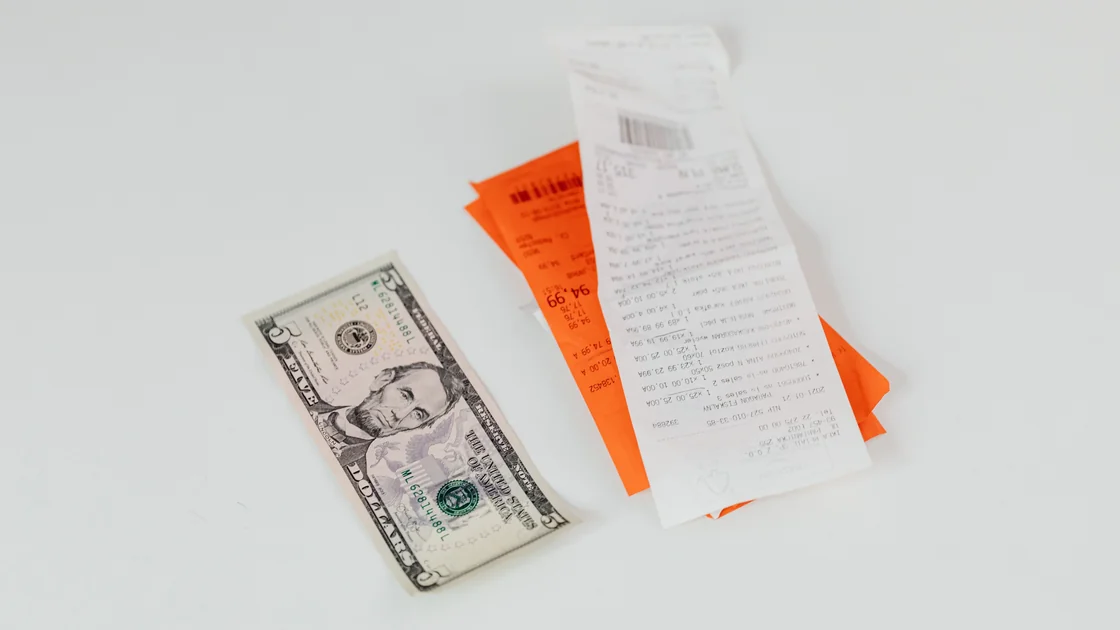

If you see a card charged twice abroad, first check whether both entries are final. Two alerts often mean one completed purchase plus a temporary authorization or preauthorization hold; two settled entries with the same purchase details are stronger evidence of a duplicate. Save a clean record, ask the merchant to trace the transaction, and contact your issuer promptly if both charges post or the merchant cannot correct them.
Key Takeaways:
- Do not identify a duplicate from notifications alone; compare the status of both entries.
- A pending authorization and a posted purchase can temporarily appear together.
- Match amount, currency, time, merchant descriptor, and receipt before reporting the error.
- Ask the merchant for a written correction or reversal reference when the purchase was legitimate.
- Use the issuer's official dispute route if two charges post, the merchant is unreachable, or a deadline is near.
- Treat an unfamiliar second charge as possible unauthorized activity, not merely duplicate processing.
The broader international travel planning guide covers payment preparation before departure. This page focuses on diagnosing and correcting a transaction after it appears.
Open the transaction details through your issuer's official app, website, statement, or phone number. Record each entry's status, amount, currency, date, time, merchant name, and any reference shown. Do not send a screenshot containing a full card number, security code, login information, or unrelated transactions.
A card payment is usually authorized first, then captured, cleared, and posted. Until that cycle finishes, one purchase can briefly appear as both a pending hold and a posted charge.
Use this working classification:
| What you see | Likely interpretation | Sensible next check |
|---|---|---|
| One pending and one posted entry | Possible authorization plus final charge | Ask the issuer whether the pending item is linked to the posted item |
| Two pending entries | Two authorizations, not yet proof of two final charges | Stop retrying and monitor the issuer's stated pending window |
| Two posted entries | Possible duplicate clearing or two separate purchases | Match both entries to the receipt and contact the merchant |
| One familiar and one unfamiliar entry | Possible different outlet or unauthorized transaction | Verify the descriptor; use the issuer's security route if still unknown |
Build a small evidence bundle before contacting anyone. Keep the itemized receipt, merchant invoice, order or booking number, cancellation record if relevant, and the two transaction entries. Write a short chronology while the event is fresh, including whether the terminal failed, the cashier retried, you tapped twice, or you used a second card.
Compare the entries field by field:
The US Federal Trade Commission lists being billed twice for the same thing as a possible billing error and recommends keeping receipts to correct inaccurate charges.[1] That is US credit-card guidance; it does not create identical rights or procedures for every country, debit card, prepaid card, or wallet.
An exact timestamp match is useful but not mandatory. Some systems batch transactions or present them in another time zone. Conversely, matching amounts alone are weak evidence when a merchant sells many items at the same price. The strongest record connects both posted entries to one identifiable purchase.
Contact the merchant when you recognize the purchase and can use a verified channel. A merchant may be able to find two terminal receipts, identify a failed authorization, or issue a correction faster than a formal dispute. Use contact details from the receipt, official website, booking platform, or verified branch listing rather than a number sent in an unsolicited message.
State the problem precisely: one legitimate purchase appears twice, and you want the merchant to check both references. Provide masked transaction details, the purchase date, amount, currency, receipt number, and the last four digits only if the merchant genuinely needs them. Do not send a photo of both sides of the card or a one-time verification code.
Ask for a written response that says whether the second entry is an authorization, a duplicate completion, or a separate purchase. If the merchant initiates a reversal or refund, request the date, amount, currency, destination payment method, and reference. A promise to “take care of it” is not the same as traceable evidence.
Do not make another payment merely to test whether the original went through. If a merchant asks you to pay again, first confirm which earlier entries are voided and how that will be documented. Repeated retries can turn a simple authorization problem into several holds or settled transactions.
Contacting the merchant must not make you miss an issuer or legal deadline. If the merchant is unresponsive, denies an obvious duplicate, requests unsafe information, or says only the bank can act, move to the issuer's official channel and preserve the merchant correspondence.
Contact the issuer promptly when both entries are posted, the merchant cannot explain them, or the time limit stated in your card agreement is approaching. Use the number on the card or statement, or the authenticated app. Card-network support pages generally direct cardholders to their issuer or bank for transaction disputes because the issuer holds the account details.[3]
Describe the case as duplicate processing only if you recognize the underlying purchase. Give the issuer both transaction identifiers, the single receipt, the merchant response, and your chronology. If you do not recognize one of the charges, say so; the issuer may need to use an unauthorized-transaction process, block the card, or review other activity.
Ask these questions:
For US credit-card billing errors, the CFPB describes reviewing the statement, notifying the issuer, following the bill's written-notice instructions, keeping copies, and continuing to pay correct charges.[2] Its statutory timing and payment protections are jurisdiction- and product-specific. Elsewhere, follow the actual issuer agreement and applicable local process rather than importing US rules.
Do not file simultaneous claims that seek two recoveries for the same loss. Tell the issuer if the merchant later refunds or reverses the duplicate. A duplicate dispute should correct the extra transaction, not erase the legitimate purchase.
Create a case log with the merchant case number, issuer dispute number, contact dates, promised actions, evidence submitted, and next review date. Save confirmations in a protected place outside the banking app, because secure messages may not stay available.
Label every credit accurately. A reversal may cancel a pending authorization before it posts. A merchant refund is a new credit linked to a completed purchase. A provisional credit from the issuer can be temporary while it investigates. These events may look similar in the balance but have different consequences.
Check whether the credit amount and currency match the disputed entry. Exchange rates can make a refund in your billing currency differ from the original converted amount even when the merchant refunded the same local-currency amount. Ask the issuer for an explanation rather than assuming the difference proves a second error.
Continue paying undisputed amounts according to your statement and issuer instructions. Do not independently withhold the full bill based on rules from another country. If local law permits withholding a disputed amount, confirm the exact conditions and preserve proof that you followed them.
When the issuer closes the case, read the written outcome. Confirm which transaction was removed, whether fees or interest were adjusted, whether a provisional credit became permanent, and whether further action is required. If the result is wrong, use the stated review, complaint, ombudsman, or regulator route before its deadline.
Keep the terminal in view until it shows a clear outcome, and ask for a receipt for failed as well as successful attempts when available. If the terminal times out, check the issuer app or ask the merchant to inspect its transaction log before tapping or inserting the card again. A missing instant alert does not prove that no authorization exists.
Before travel, confirm that you can reach the issuer from abroad and have a second payment route. Store official contact details separately from the card, enable transaction alerts, and know how to lock the card without permanently closing it. These controls reduce uncertainty but cannot prevent every error.
Do not let embarrassment or language difficulty push you into approving an unclear retry. Ask the merchant to write the amount and currency, use a trusted interpreter if needed, and keep the receipt. A calm pause is usually easier to resolve than several rapid attempts.
When your card is charged twice abroad, determine whether the entries are pending, posted, or linked before calling them duplicates. Match both entries to one purchase, preserve a masked evidence bundle, and ask the merchant for a traceable explanation or correction. Escalate promptly through the issuer's official dispute or security route when two charges settle, the merchant cannot help, or a deadline is close.
Yes. A pending authorization can remain visible while the completed purchase posts. Ask the issuer whether the entries are linked and follow its stated pending window before treating both as final charges.
It can create more than one authorization or transaction attempt, but two alerts do not prove two settled charges. Check the status and receipt, and avoid another attempt until the merchant or issuer confirms the earlier result.
Not necessarily. A preauthorization or deposit may coexist with the final charge until it is released or adjusted. Ask the merchant and issuer to identify the transaction type rather than filing a duplicate claim automatically.
Yes. Available protections, access to funds, notice methods, and deadlines can differ by card type and jurisdiction. Use the agreement and official process for the actual card used.
Contact the merchant first when the purchase is recognized and the channel is trustworthy, but do not miss an issuer deadline. Go directly to the issuer for unfamiliar activity, unsafe merchant behavior, or two unresolved posted charges.
No. It may be temporary while the issuer investigates. Keep the disputed amount available until the issuer confirms in writing that the credit is permanent and the case is closed.
Tell the issuer promptly and provide the refund reference. Keeping both a merchant refund and a dispute credit for the same extra charge can create a new adjustment or allegation of double recovery.
Sources checked 4 October 2026.
This article provides general information, not financial, banking, legal, or regulatory advice. Card status, dispute rights, notice methods, deadlines, temporary credits, and liability vary by issuer, card type, network, transaction, and jurisdiction.
Sign up to experience all premium features at no cost.
*Available only to new users. Each user is limited to one trial.