Start your 3-day free trial
Sign up to experience all premium features at no cost.
*Available only to new users. Each user is limited to one trial.
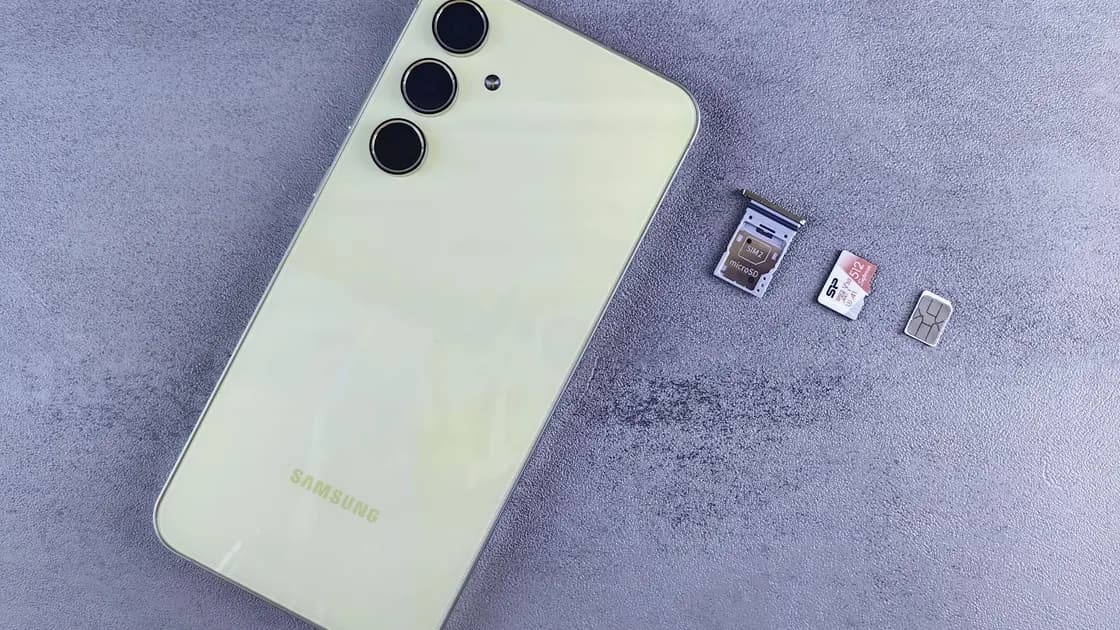

To avoid fake SIM and eSIM sellers, start from a channel you can independently connect to the operator or travel eSIM provider, compare the seller's domain and legal identity, read the complete service terms, and pay through a traceable method. Treat the activation QR code, ICCID, EID, account login, and support messages as sensitive. HTTPS, an app-store page, a top ad position, or an official carrier list cannot prove a particular seller is trustworthy by itself.
Key Takeaways:
- Find the seller through an independently verified operator or provider website, not a QR sticker, direct message, or sponsored result alone.
- Confirm coverage, network access, activation deadline, validity, data policy, refund conditions, and support before paying.
- Use a payment method that creates a receipt and a dispute path; avoid irreversible payment demands.
- Keep activation QR codes and SIM identifiers private, and activate in a controlled setting with another connection available.
- If the seller or profile behaves unexpectedly, stop, preserve records, secure payment and account access, and contact the real provider independently.
This is a seller-verification and loss-control guide. It does not rank providers or teach every installation screen. For the product roles, see travel eSIM versus VPN; for a legitimate plan that will not activate, use the travel eSIM troubleshooting guide.
Apple publishes lists of carriers that support eSIM and of worldwide service providers offering prepaid data plans for international travelers.[1] Such a list can help confirm that an organization or carrier participates in an eSIM ecosystem. It does not authenticate every reseller, advertisement, support account, checkout domain, or QR code using that name.
Begin with the mobile operator's official website, a provider website you entered or bookmarked yourself, or a physical shop whose operator identity you can verify. If you arrive through an ad, social post, airport flyer, hotel card, QR sticker, marketplace listing, or influencer link, do not pay immediately. Search independently for the organization and compare the destination.
Check the full domain, including spelling and the part immediately before the top-level domain. A brand name elsewhere in a long URL does not make the site official. Compare company name, support address, privacy notice, terms, and payment descriptor across pages. A recently assembled site may copy logos and plan descriptions while using a different legal entity or contact domain.
The FTC recommends checking sellers across several sources, searching the company name with terms such as “complaint” or “scam,” reading reviews critically, and keeping purchase records. It also warns that HTTPS means the connection is encrypted, not that the site is legitimate.[2] Apply that distinction here: a padlock protects data in transit to whichever site you reached, including a fraudulent one.
Treat a list entry as one verification input:
An app-store listing is also limited evidence. Apps can have similar names, copied icons, paid reviews, or unrelated developers. Check the developer identity and the developer website, but do not treat store approval or star ratings as a service-quality guarantee.
A credible product page should make the service understandable before payment. Capture or save the terms that apply to the exact plan, not only a promotional summary.
| Field | What to confirm | Why it matters |
|---|---|---|
| Geography | Countries or zones included and excluded | A “regional” label may omit your route |
| Network access | Named partner networks and supported radio types | Coverage can differ by place and device |
| Data policy | Total data, daily limits, throttling, tethering, and fair use | “Unlimited” may still have constraints |
| Activation | What starts validity: purchase, installation, first connection, or a date | Early activation can consume the plan |
| Expiry | Last installation date and service-validity window | An unused code may still expire |
| Device rules | eSIM support, lock status, and reuse or transfer limits | A valid plan may not fit the phone |
| Refunds | Eligibility, exclusions, evidence, and request route | Installation can affect refund rights |
| Support | Official channel, hours, languages, and escalation | You need a route if activation fails |
Do not infer that a familiar network name means you are buying from that network. Travel eSIM providers may supply access through partner networks without being the local carrier. The seller should describe that relationship accurately rather than impersonating the network.
Before purchase, use the phone unlock checklist and verify that your device supports the required eSIM or physical SIM format. Compatibility is separate from seller legitimacy.
Prefer a payment method that provides a named merchant, transaction record, and a way to raise a dispute under the issuer's terms. The FTC warns against online sellers that insist on gift cards, wire transfers, cryptocurrency, or other hard-to-recover methods. Payment protection varies by country and issuer, so treat traceability as a control, not a refund promise.
Before approving payment, verify the currency, total, taxes or fees, recurring status, and merchant descriptor. Be cautious if the checkout changes domains, asks you to message a screenshot of payment, splits the charge across recipients, or demands a second payment to “release” the QR code.
Create a unique account password if an account is required. Do not reuse your email, mobile-operator, Apple, Google, or banking password. Avoid giving a seller remote access to your phone or a one-time code from an unrelated service. A legitimate support process should be able to identify an order through its own order reference without controlling your device.
An activation QR code is not a decorative receipt. It can contain information used to download an eSIM profile and may be single-use or bound to a device. Do not post it, forward it to a public support thread, or leave a printed copy in a shared space.
The EID identifies an eSIM-capable device, while an ICCID identifies a SIM profile or card. A real provider may request an identifier for compatibility or support, but unsolicited sellers should not collect more data than necessary. Ask why a value is needed, where to submit it, and how it will be protected. Do not confuse these identifiers with a password, yet do not publish them casually.
Apple documents several legitimate activation paths, including a carrier-provided QR code, manual details, a participating carrier app, transfer, or supported travel options.[3] The existence of these methods does not validate the person who sent the code. Confirm the provider first, then use the provider's stated method.
Do not wait until boarding, border control, or a late-night arrival to perform the first activation if the plan permits earlier installation. Use a trusted connection, keep the original line available where possible, and save the order number and official support route on another device or offline note.
Before scanning anything:
After installation, verify that the profile name and provider information broadly match the purchase. Do not install a device-management profile, VPN configuration, root certificate, remote-control app, or unrelated app merely because “support” claims it is required for an eSIM. Stop if the request expands beyond ordinary cellular setup and confirm with the real provider.
One failed activation does not prove fraud; configuration, device compatibility, plan timing, or local coverage can cause legitimate failures. Look at the whole pattern.
High-risk signs include a seller that disappears after payment, changes support accounts repeatedly, refuses to provide an order record, demands more payment to unlock service, sends a QR code for a different provider or region, asks for banking codes, requests remote control, or blames every issue on the phone while refusing to state the plan identity.
If something is wrong:
If a physical SIM or active eSIM may be controlled by someone else, follow the lost SIM and eSIM response guide and contact the carrier about account and number security.
No. HTTPS encrypts the connection to the site but does not prove who operates it. Verify the domain, company identity, terms, and independent support channel.
Ad position is not an identity check. Find the provider independently, compare the full domain, and enter through a verified page before buying.
No. It can show that a carrier or provider supports certain eSIM services, but it does not endorse every reseller, advertisement, price, refund practice, or support claim.
Do not send it through an unverified or public channel. Use the provider's official support process and disclose only what it specifically needs. A code may be sensitive or single-use.
No. Device support, lock status, activation timing, settings, and coverage can cause legitimate failures. Verify the order and provider first, then use the dedicated troubleshooting guide.
Ordinary cellular activation should not be treated as blanket permission to install unrelated management profiles, certificates, remote-control apps, or VPN configurations. Stop and confirm any unusual request with the real provider and device maker.
Stop further payments, preserve records, contact the payment provider, secure reused credentials, verify whether any profile or number was affected, and report the seller through the relevant platform and local consumer or police channel.
A VPN cannot verify a seller's identity or the safety of a payment, and this article does not endorse any SIM or eSIM seller.
Sources checked 28 August 2026.
This article provides general consumer-safety information. Seller identity, payment protections, refund rights, carrier support, and eSIM behavior vary by provider, device, payment method, and jurisdiction.
Sign up to experience all premium features at no cost.
*Available only to new users. Each user is limited to one trial.