Start your 3-day free trial
Sign up to experience all premium features at no cost.
*Available only to new users. Each user is limited to one trial.
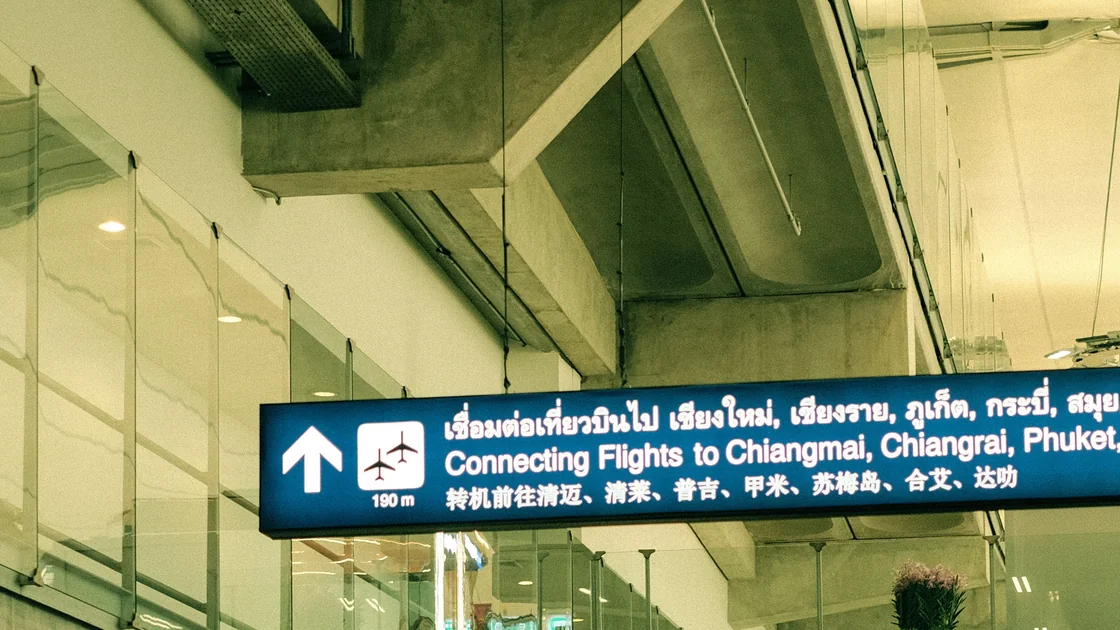

Airport transit rules depend on whether you stay airside in the international transit area or pass border control, and on what your passport and documents allow in each transit country. To check transit visa rules before a connecting flight, map every country, airport, terminal, ticket, and baggage movement in the itinerary, then apply the rule for your actual passport, nationality, residence or visa status, connection length, and next destination. Verify the result with the transit country's authority, an itinerary-specific IATA check, and the operating airlines.
Key Takeaways:
- “Connecting flight” does not prove that you remain in an international airside zone.
- Separate tickets, self-transfer, bag collection, terminal changes, airport changes, and overnight closures can force a landside route.
- Airport transit visas and visitor or entry visas are different permissions.
- Exemptions may depend on a valid residence permit or visa from a named country and on the direction of travel.
- Check each transit country separately and confirm final-destination permission as a different task.
- Recheck after a schedule, airport, operating-carrier, or baggage-plan change.
The international travel preparation guide covers the full trip. This article narrows the question to legal passage through intermediate countries; it does not determine what proof of departure the final destination requires.
Write the itinerary line by line with departure and arrival countries, airport codes, terminals, operating carriers, local dates, and connection times. Include technical stops if passengers may need to disembark. A booking headline that shows only origin and destination can hide two different transit jurisdictions.
Confirm whether the airport is the same for both flights. Similar city names can contain several airports, and an airport transfer normally means entering the country. A terminal change at one airport may also require a landside shuttle or security route.
Record whether all flights are on one ticket or on separate tickets. Note the marketing carrier and actual operating carrier for each segment. If an itinerary is sold as “self-transfer,” assume nothing about protected connections, baggage, or border passage until each item is confirmed. If you are still choosing flights, compare airlines by their usual connection airports: a single-ticket route through a hub where your passport needs no transit visa and the connection stays airside removes most of these checks.
Use local time and date. An overnight connection can cross a calendar day, exceed a permitted transit window, or encounter an international zone that closes. Keep the original schedule and any updated itinerary so you can see whether the legal path changed.
An airside transit usually means remaining within the airport's international transit area without passing immigration control. A landside transit means passing border control and entering the country before continuing. GOV.UK uses this distinction for UK transit: airside passengers do not pass UK border control, while landside passengers do.[1] Other countries define and regulate transit under their own rules.
Ask the airport and operating airlines whether the specific terminal path is airside. Check whether you must collect bags, change airports, leave the secure zone, use a public terminal transfer, obtain a hotel landside, or check in at a counter that is outside the transit area.
Do not infer the answer from connection length or a single ticket. A short connection can still require border control; a long connection can remain airside if the facility and rules allow it. “International-to-international” is a route description, not a visa exemption.
If the answer is uncertain, plan against the stricter documented route until an authoritative source confirms otherwise. An airline agent's statement should identify the airport, terminals, baggage arrangement, and date rather than only say “you are in transit.”
Record the passport nationality, passport type, issuing country, expiry, residence permits, visas, and travel direction. Check whether a document will remain valid throughout the transit. Do not substitute place of residence for nationality or assume that holding any visa creates a transit exemption.
Some jurisdictions require certain nationals to hold an airport transit visa even when they stay in an international transit zone. The European Commission explains that this Schengen airport transit visa permits passage through the international zone and points to the Visa Code provision covering exemption categories, while individual Schengen states can impose additional requirements for certain nationalities.[2] It does not authorize entry into the Schengen area.
Read exemption wording precisely. A rule may require a valid visa or residence permit from a named state, travel to or from that state, prior use of a visa, a particular document type, or a family relationship. Confirm that every condition applies on the transit date.
Check children and companions separately. Family members can have different passports, residence cards, or visas, and one person's exemption does not automatically cover another. A group must satisfy the rule for every traveler.
Ask whether bags are checked through to the final destination. Read the baggage tag at the first airport and confirm the answer with the operating carriers. A through-tag can reduce the chance of collection, but it does not by itself prove an airside path or waive a visa.
For separate tickets or self-transfer, determine whether the second carrier can issue a boarding pass before arrival, whether it accepts remote document checks, and whether the airport permits airside transfer between those carriers and terminals. If you must collect and recheck baggage, you will usually need access to the arrivals hall and therefore a landside permission.
For an overnight connection, check terminal opening hours, airside hotel access, security closure, and whether passengers are required to leave the transit zone. Do not book a landside hotel unless you can legally enter the country.
Canada's transit-visa eligibility page offers one jurisdiction-specific example: it considers nationality or passport, air transit, a stay of 48 hours or less, and whether the traveler has a valid Canadian visitor visa or is eligible for an eTA.[3] Use its official guidance for a Canadian route, not as a rule for Europe, the UK, or another country.
Start with the immigration, foreign-affairs, or embassy page for each transit country. Then search the IATA Travel Centre with the real traveler and itinerary data; IATA says it draws on a database used by virtually every airline and on more than 1,000 official sources.[4] Finally, ask each operating carrier about the physical connection and its document check.
Save the precise source and result, including date checked. If a government page points to a questionnaire, complete it with the true details. If sources conflict or omit your airport transfer, contact the authority and airline rather than choosing a favorable forum answer.
Check the final destination as a separate decision. A transit visa does not grant admission there, and a final-destination visa does not automatically authorize transit. Confirm passport validity, visa or authorization, and any onward-travel evidence independently.
For a UK itinerary, consult the current UK eVisa and ETA guide alongside the official transit pages. For Schengen travel involving a Chinese passport, the EES, ETIAS, and Schengen guide separates those systems.
Keep the official rule, questionnaire result, visa or exemption evidence, itinerary, baggage confirmation, terminal map, and airline response in a protected offline folder. Print the critical items if you may lack connectivity. The document should show the source and date, not just an unexplained screenshot.
Before departure, check for operating-carrier, airport, terminal, timing, and baggage changes. A new routing can introduce another transit country; a longer delay can turn a same-day airside connection into an overnight landside stay. Re-run the decision for the changed itinerary.
Ask the carrier what it does if the protected connection fails and a proposed reroute requires permission you do not hold. Do not accept a reroute through a new country until its transit conditions are checked. If travel has already begun, tell the airline before it confirms the alternative.
This article only identifies how baggage retrieval, overnight stays, and missed connections affect the visa question. It does not provide the full operational procedure for rechecking baggage, arranging an overnight stop, or recovering from a missed flight.
To check transit visa rules for a connecting flight, turn the itinerary into a physical border path. Establish airside or landside movement, apply the rule to each traveler's real documents, test separate-ticket, baggage, terminal, and overnight conditions, and verify each transit country independently from the final destination. Preserve the evidence and repeat the check after any routing change.
Possibly. Some countries require specified nationals to hold an airport transit visa even without entering through border control. Check the transit country's rule for your passport and any applicable exemption.
No. A terminal change, security layout, boarding-pass collection, bag retrieval, or overnight closure may require a landside route. Confirm the actual airport path with official airport and carrier information.
No. It may allow bags to move without collection, but visa rules depend on the legal transit path and traveler. Confirm whether you remain airside and whether an airport transit visa is still required.
Self-transfer can require a new check-in, baggage collection, terminal change, or entry into the country. It can also leave you without protected rerouting. Verify every movement rather than relying on the booking platform's connection label.
Only if the airport permits it and the transit rule allows it for your documents. Some secure zones or terminals close overnight, and a hotel may be landside. Check opening hours and the exact terminal arrangement.
Sometimes, under narrowly defined conditions. Read which issuing countries, document types, validity periods, and travel directions qualify. Possessing an unrelated visa is not a general exemption.
Recheck every new transit country, airport, and overnight condition before accepting the reroute. Tell the airline about any missing permission. The fact that the original itinerary was lawful does not make a new path lawful.
Disclaimer: This article provides general travel-document information, not legal or immigration advice. Transit, airport, visa, exemption, and carrier rules vary by traveler and itinerary and can change; verify the current route with each relevant authority and operating carrier.
Sources checked 4 October 2026.
Sign up to experience all premium features at no cost.
*Available only to new users. Each user is limited to one trial.