Start your 3-day free trial
Sign up to experience all premium features at no cost.
*Available only to new users. Each user is limited to one trial.


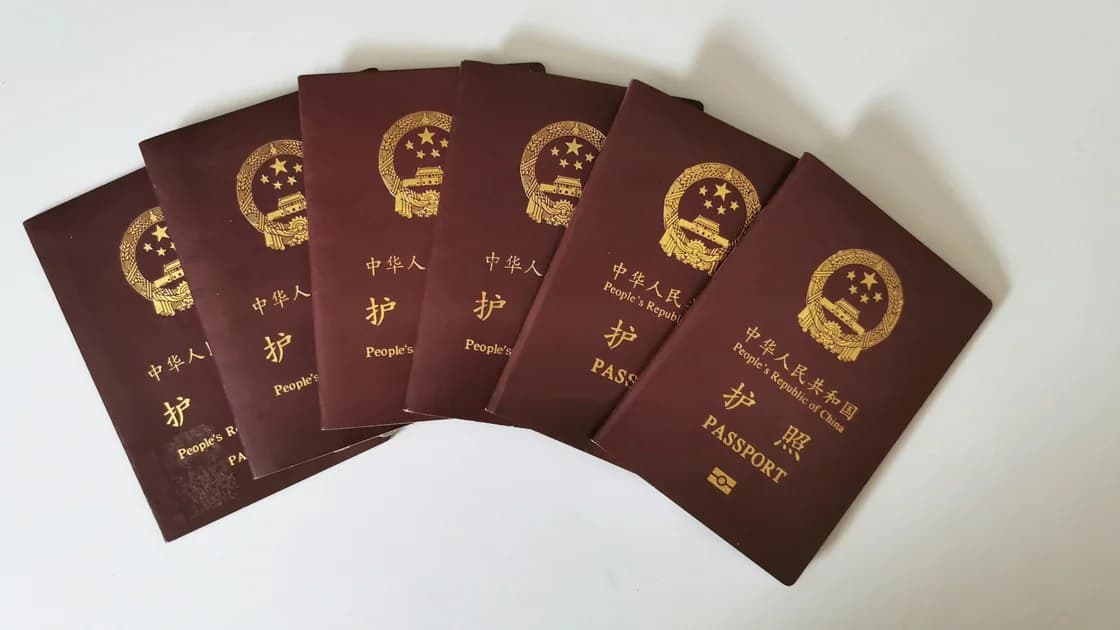
The safest way to compare Schengen EES vs ETIAS is to ask three separate questions. A Schengen visa is permission issued before travel when the document and trip require one. EES records eligible non-EU short-stay border crossings. ETIAS is a travel authorization for defined visa-exempt travelers. An ordinary mainland Chinese passport normally cannot use ETIAS instead of a required Schengen visa.
Key Takeaways:
- EES is a digital border-registration system, not a visa or travel authorization.[1]
- ETIAS is for defined visa-exempt travelers; it does not replace a Schengen visa for an ordinary mainland Chinese passport.[2]
- A diplomatic, service, official, special, Hong Kong, Macao, or other travel document must be assessed by the exact document, not the holder's broad identity.
- Neither a visa, an EES record, nor a future ETIAS authorization guarantees admission.
Status checked 25 August 2026: EES has been fully operational since 10 April 2026. ETIAS is not yet in operation; the EU currently says it is expected to start in the last quarter of 2026 and that travelers need take no action yet.[1][3] Recheck this box before every trip.
Use this page with the international travel pillar and the lost Chinese passport recovery guide.
| System | Main purpose | What it does not do |
|---|---|---|
| Schengen visa | Gives a visa-required traveler permission to seek entry for the approved purpose and period | Guarantee boarding or admission |
| EES | Digitally records relevant external-border entries and exits for short stays | Issue a visa or extend a stay |
| ETIAS | Pre-travel authorization for travelers using defined visa-exempt documents | Replace a required visa or guarantee entry |
| Carrier check | Decides whether the carrier transports the traveler | Bind the border authority |
| Border inspection | Decides whether entry conditions are met | Guarantee future entries |
EES applies to relevant non-EU nationals traveling for a short stay, including travelers who are visa-required and visa-exempt, subject to the system's exemptions.[1] ETIAS instead starts with visa exemption.[2]
| Document used for the trip | Visa and ETIAS starting point | EES starting point |
|---|---|---|
| Ordinary passport issued in mainland China | Usually visa-required for a Schengen short stay; ETIAS is not a substitute | Expect EES registration for an eligible short-stay external-border crossing |
| PRC diplomatic passport | The EU page lists Chinese diplomatic-passport holders under a visa-free agreement and as exempt from ETIAS | Check the exact route and EES exemption with the destination authority |
| PRC service, official, or other special passport | Exempt from ETIAS as a special category, but may still require a visa | Check the exact document and applicable exemption |
| Hong Kong or Macao passport | Listed separately among visa-exempt documents that will need ETIAS when it starts | EES normally concerns the qualifying short-stay crossing |
| Residence permit, long-stay visa, refugee, stateless, or other travel document | Follow the specific exemption and visa rule for that document | Do not infer the rule from nationality alone |
The official ETIAS eligibility page warns that holders of diplomatic, service, official, or special passports may be exempt from ETIAS while still being required to obtain a visa. It identifies China's diplomatic passport—not every Chinese passport—as covered by the relevant visa-free agreement.[2]
First verify the destination countries, purpose, length, and whether a Schengen visa is required. Do not wait for ETIAS or buy an unofficial "ETIAS for Chinese passports": ETIAS is not currently accepting applications, and an ordinary mainland Chinese passport is not made visa-exempt by ETIAS.[2][3]
Before travel, make sure the visa, passport, itinerary, and carrier documents agree. At an EES border, expect digital entry or exit registration under the current process. EES records the crossing; it does not extend the visa, change the permitted purpose, or guarantee admission.
If payment or document recovery becomes necessary, keep independent backups using the overseas payment guide. For a separate connectivity boundary, compare the roles of a travel eSIM and VPN.
As of the checked date, the EU says no ETIAS applications are being collected.[3] A page offering immediate authorization before the official start is therefore a warning sign. Reopen the official EU site independently, and use the verification order in the consular scam guide.
Do not use a fee, countdown, logo, or search rank as proof. This article deliberately contains no application price or field-by-field guide: status, application details, and the exact start date must come from the current official page.
Compare the same layered model with US EVUS and I-94 and Indonesia's arrival declaration.
Normally no. ETIAS is for defined visa-exempt travelers and does not make an ordinary mainland Chinese passport visa-exempt.[2]
No. It is a digital system that records relevant entries and exits at external borders.[1]
No, not as of 25 August 2026. The official EU page says it is not in operation and no applications are collected.[3]
No. It concerns relevant non-EU short-stay travelers, including both visa-required and visa-exempt categories, subject to exemptions.[1]
No. The EU page specifically identifies Chinese diplomatic passports under a visa-free agreement; ordinary passports follow a different rule.[2]
No. Border authorities still verify the entry conditions and make the admission decision.
Disclaimer: This article provides general travel information, not legal or immigration advice. Visa, EES, ETIAS, carrier, document, and admission rules can change. Verify the current official requirements for the exact document and itinerary.
Sources:
Sources checked 25 August 2026.
Related Articles:
Sign up to experience all premium features at no cost.
*Available only to new users. Each user is limited to one trial.