Start your 3-day free trial
Sign up to experience all premium features at no cost.
*Available only to new users. Each user is limited to one trial.
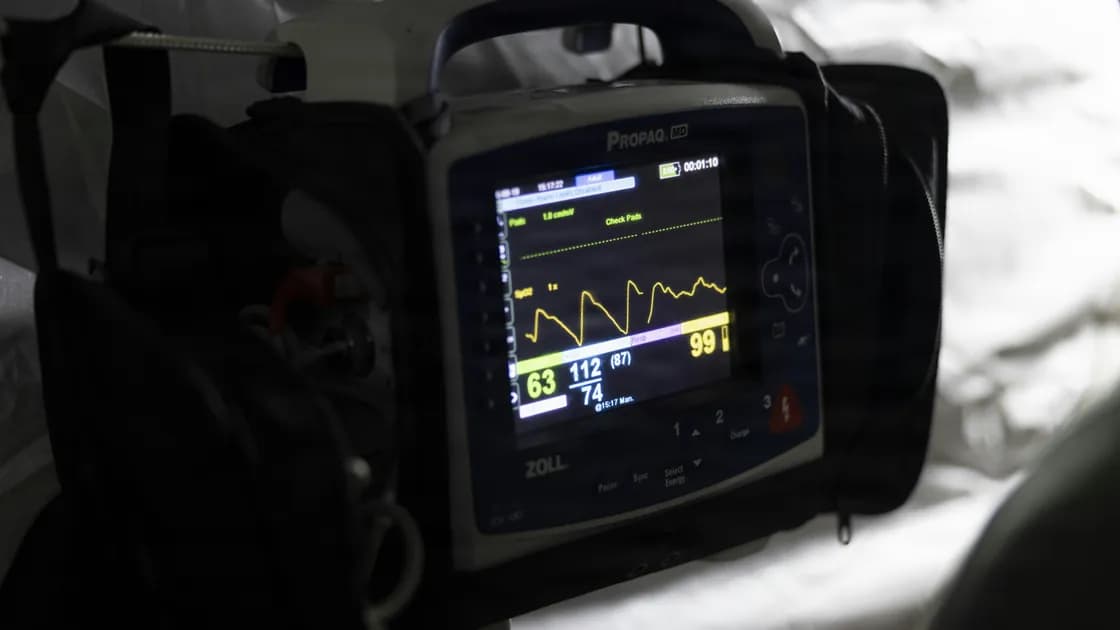

To fly with a CPAP or other medical device, first separate permission to carry the equipment from permission to operate it onboard. Check every operating airline, identify the exact device and batteries, pack essential parts in the cabin, prepare for screening, and obtain written confirmation for any approval or accommodation you need.
Key Takeaways:
- Carrying a device and using it during flight are different questions.
- Rules can change by operating carrier, aircraft, route, battery, and device type.
- Keep labels, documents, consumables, and protected spare batteries together.
- Plan power conservatively; an aircraft outlet is not a guaranteed medical power source.
- Do not assume CPAP guidance also covers oxygen, compressed gas, or every medical device.
Add the device plan to your international travel preparation before departure. A short written record of each carrier's answer, the device model, the battery rating, and the assistance request is easier to use than scattered screenshots at a busy airport.
Write down what you actually need: transport only, use in the terminal, use during boarding, or continuous operation in flight. A CPAP that remains switched off in its case creates different questions from a ventilator, infusion pump, nebulizer, or device that must operate during a critical phase of travel. Do not describe every item simply as “medical equipment.”
Confirm with the treating clinician or device provider whether interruption, altitude, cabin pressure, destination voltage, humidity, or a substitute power source affects safe use. That is a clinical and device-specific decision, not an airline-policy question. If interruption could create immediate risk, discuss whether the proposed itinerary is suitable and what backup plan is medically appropriate.
US DOT guidance treats a CPAP as an assistive device when it is used by a passenger with a disability. It says covered airlines must permit such devices in the cabin subject to safety and stowage rules, and may require advance notice or a medical certificate in defined circumstances for onboard use.[1] This is a US aviation rule, not a promise for every airline or country.
Ask the carrier to classify the exact equipment, not an imagined category. Oxygen cylinders and generators, compressed gas, wet-cell batteries, implanted-device accessories, radio transmitters, and liquid medication may follow separate dangerous-goods or medical-approval processes. A favorable answer for a CPAP does not authorize those items.
Open the itinerary and identify the airline that will physically operate each flight. A marketing carrier, booking site, or alliance partner may display the ticket while another airline controls check-in, cabin equipment, medical clearance, and dangerous-goods acceptance. Repeat the check for the return and for any regional connection.
Provide the device manufacturer, model, purpose, dimensions, packed weight, battery chemistry, watt-hour rating, and whether it emits radio signals or contains liquid. State when and where you need to use it. Ask whether the device counts outside the normal cabin-bag allowance, where it can be stowed, whether it may be used at the seat, and whether a medical-information form is required.
If onboard operation matters, ask about permitted phases of flight, seating restrictions, tubing or cable routing, humidifier use, aircraft power, and the procedure if the device interferes with safety equipment. Request a written answer or a reference number. Reconfirm after an aircraft, operator, or itinerary change, because the earlier answer may no longer match the flight.
For code-share journeys, send the operating airline's decision to the ticket issuer if seating or rebooking must change. Do not assume one carrier can bind another. Allow time for a medical desk to review forms, but distinguish a recommended lead time from a universal legal deadline.
Keep the manufacturer's label readable. Record the serial number separately and photograph the device, case, plugs, batteries, and accessories before travel. A simple inventory should include the main unit, power supply, adapter, tubing, mask, filters, cables, approved batteries, charger, and any item without which the equipment cannot function.
Carry the prescription or clinician letter when it is useful for identification, replacement, or a carrier's medical-clearance process. The document should contain only information necessary for the journey. Keep the carrier approval, device manual or specification page, battery rating, assistance confirmation, and repair contact available offline. Translate a short functional explanation if staff may not share your language.
Use a durable identity tag on the outer case without displaying unnecessary health details. Place contact information inside as well. If the device must stay upright, remain dry, avoid X-ray, or be handled in a particular way, verify that instruction with the manufacturer and communicate it clearly; do not attach an unofficial warning that contradicts screening requirements.
Pack enough single-use parts and cleaning supplies for foreseeable delays, but follow liquid and sharp-item rules. Divide irreplaceable accessories only when both sets remain usable. Do not place the sole mask, connector, charger, or prescription copy in checked baggage merely to reduce cabin weight.
Find the battery's watt-hour marking or calculate it from manufacturer data rather than guessing from physical size. Record whether it is installed in the device or carried as a spare. Protect exposed terminals with the original case, terminal covers, individual pouches, or another method that prevents contact with metal objects.
FAA guidance says spare lithium batteries and power banks must remain in carry-on baggage. For US passenger travel, batteries up to 100 Wh are generally allowed; 101–160 Wh batteries require airline approval and are limited in number, while larger passenger batteries are generally forbidden unless a specific exception applies.[3] Airline and foreign-authority limits can be stricter, so obtain the operating carrier's answer for the actual battery.
For a device approved for onboard use under the US DOT framework, the airline may require enough battery power for at least 150 percent of the expected maximum flight duration.[1] Calculate against the carrier's stated basis, not scheduled airtime alone. Include boarding, taxi, diversion, connection, and delay risk when deciding what you personally need.
Treat seat power as an uncertain supplement. Outlet availability, voltage, connector type, maximum load, and operation can change with the aircraft or seat. A carrier may prohibit charging or use during certain phases. Never connect an unapproved inverter, damaged pack, swollen battery, or improvised cable. Keep a written plan for what to do if the outlet fails or the flight changes.
Use a protective case that prevents switches from being activated and keeps components from shifting. Separate dry parts from any reservoir, liquid, gel, or cleaning fluid. Empty a CPAP humidifier before packing unless the manufacturer directs otherwise. Keep the device accessible rather than burying it below unrelated belongings.
At a US checkpoint, TSA says a CPAP, BiPAP, or APAP must be screened. It may remain in its carrying case for X-ray, although an officer may require it to be removed from the carry-on.[2] Procedures elsewhere are controlled by the local security authority.
Tell the officer about medically necessary liquids, accessories, or components before screening. Ask for a private inspection when appropriate, but allow enough time. If a part should not be X-rayed or handled in a certain manner, bring manufacturer evidence and follow the security authority's alternative procedure; a verbal preference alone may not exempt it.
After screening, use the inventory before leaving the area. Check the unit, power brick, plugs, battery, mask, tubing, adapters, filters, documents, and case pockets. Repack terminals and fragile components. A missing proprietary connector noticed at the hotel is much harder to recover than one noticed beside the screening lane.
At check-in and again at the gate, identify the device as approved medical or assistive equipment and show the reference only when needed. Confirm where the case will be stowed. Do not surrender it for ordinary checking unless the carrier has explained why, documented the decision, and protected continuity of use. Remove spare batteries before any last-minute gate check.
At the seat, keep aisles, exits, and other passengers' space clear. Follow crew instructions on setup and permitted operating times. If tubing, sound, light, heat, or a cable creates a hazard, stop and ask for a safe arrangement. Do not use a humidifier or wireless function unless the device and carrier permit it.
If staff reject a previously approved arrangement, remain factual: show the operating carrier's confirmation, device label, battery specification, and stated need. Ask for the airline's disability or medical-assistance lead and a written reason. A safety-based refusal may require a different device, seat, flight, or medical plan; an argument at the door cannot make unsuitable equipment safe.
On arrival, inspect the device before leaving the airport. Photograph new damage, missing parts, moisture, or a battery warning, and report it promptly to the airline that had custody. If the equipment is unsafe or essential operation is interrupted, prioritize appropriate medical and accessibility support over property paperwork.
On flights covered by US disability rules, a CPAP used as an assistive device generally is not counted against the normal carry-on limit, subject to stowage and safety rules. Other airlines and jurisdictions may classify it differently, so confirm with every operating carrier.
Not automatically. Carrying it and operating it are separate approvals. The airline may evaluate the device, battery, seat, phase of flight, and required medical documentation.
No. Aircraft outlets can be absent, disabled, incompatible, or limited. Use them only when the airline permits it and keep the approved backup power required for your plan.
At US TSA checkpoints it may stay in the case for X-ray, but officers can require additional screening or removal. Procedures vary elsewhere; keep it accessible and follow local instructions.
Spare lithium batteries and power banks should remain in carry-on baggage under FAA rules. Protect every terminal and confirm watt-hour and quantity limits with the operating airline.
No. Oxygen, compressed gas, concentrators, and other medical equipment can have separate safety and approval rules. Ask about the exact manufacturer and model.
Reconfirm onboard use, seat location, stowage, power, and battery assumptions. Keep the written approval and be prepared for a safe alternative if the new aircraft cannot support the original arrangement.
To fly with a CPAP or other medical device, define whether you need carriage or onboard use, verify every operating carrier, preserve the device identity and approval record, calculate compliant battery backup, and keep essential equipment protected and accessible. Recheck the arrangement after any operator or aircraft change and report a damaging handoff immediately.
Sources checked 6 September 2026.
This article provides general information, not medical, legal, accessibility, aviation-safety, dangerous-goods, or device-operating advice. Requirements vary by person, device, battery, airline, aircraft, route, security authority, and jurisdiction.
Sign up to experience all premium features at no cost.
*Available only to new users. Each user is limited to one trial.