Start your 3-day free trial
Sign up to experience all premium features at no cost.
*Available only to new users. Each user is limited to one trial.
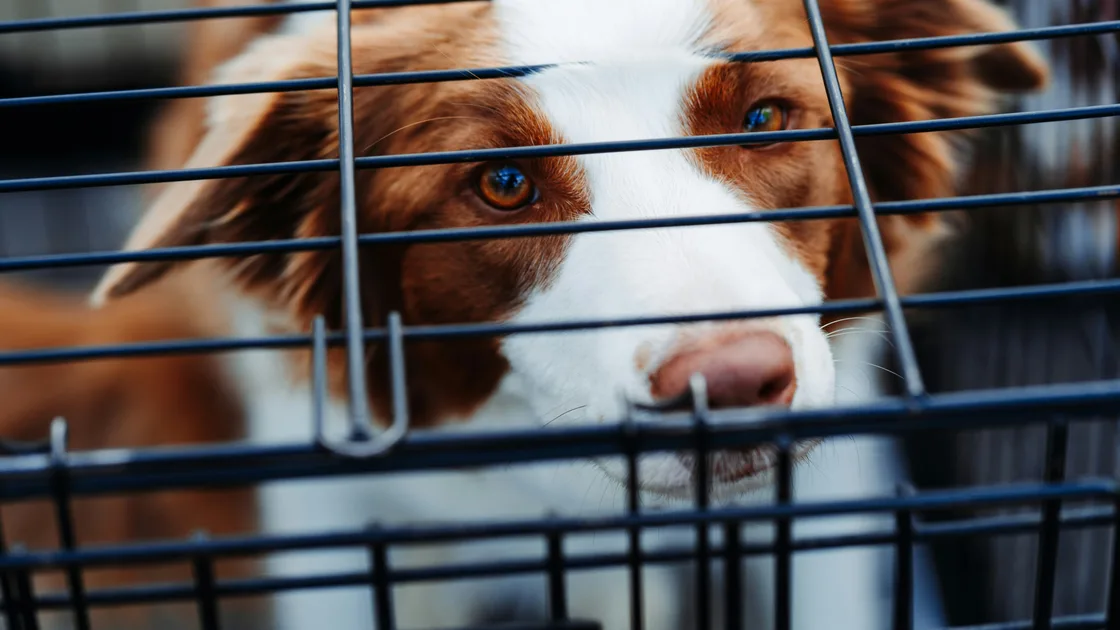

To move with a pet internationally, start with the destination authority rather than an airline booking. Identify the animal, every country on the route, the legal owner, the travel date, and whether the move is private or commercial; then work backward through import approval, identification, vaccinations, tests, veterinary certificates, carrier acceptance, and arrival inspection.
Key Takeaways:
- Destination, departure, and transit rules are separate checks.
- A valid health certificate can still fail if its timing, endorsement, route, or animal identity is wrong.
- Airline acceptance and government permission are different decisions.
- Cabin, checked-baggage, cargo, and specialist transport each create a different handoff chain.
- Never medicate or sedate a pet for travel without a veterinarian's case-specific direction.
- Keep original documents with the responsible handler and a separate offline copy.
Use the broader international travel planning guide for the human side of the move. The sequence below is only for coordinating the animal's regulatory, veterinary, and transport path.
Write one route sheet before requesting quotes. Record species, breed, age, sex, microchip or other identifier, ownership, origin, destination, flight numbers, airports, overnight stops, and the person collecting the animal. A dog, cat, bird, rabbit, or animal intended for sale may fall under different rules. USDA APHIS also warns that not every privately owned animal qualifies for its pet-travel process.[1]
Find the destination government's current import page and the authority that issues permits or inspects animals. Then check the export authority in the departure country and the competent authority for each transit country. A connection can matter even when the pet stays airside: the carrier may unload animals, require a transit permit, refuse certain breeds, or treat an overnight stop as an entry.
Ask each authority the same questions in writing: which category applies, which identification is accepted, which vaccinations or tests are required, whether an import permit or advance notice is needed, who may sign the certificate, whether government endorsement is required, and where arrival inspection occurs.
Do not use an old trip, a relocation company's summary, or a social-media checklist as the final rule. Save the official page, contact details, date checked, and any written answer in your offline travel-document backup.
Put the arrival date at the right edge of a calendar and add every rule that has a timing condition. Work backward from the inspection window for the health certificate, laboratory processing, waiting periods after vaccination or blood sampling, permit approval, government endorsement, crate acclimation, airline reservation, and contingency days.
The EU example shows why sequence matters. For many private movements of dogs, cats, and ferrets, the rules can involve a microchip, rabies vaccination, a blood test for certain origins, specified treatment for certain destinations, and either a pet passport or animal health certificate. The EU also limits this framework to private journeys without sale or change of ownership.[2] Those facts are not a global checklist; they demonstrate that identity, treatment, document type, origin, and purpose can all change the path.
Create a dependency column next to each task. A vaccine entry must match the animal identifier; a laboratory result must match the sample and approved laboratory; a certificate may be signed only after earlier conditions are complete. Mark the last safe date, not merely the legal deadline, so a rejected application or canceled appointment does not immediately break the move.
Recheck the timeline after any route, date, airport, owner, or carrier change. A certificate issued for the original itinerary may not cover a replacement flight or new transit point.
Choose a veterinarian who is permitted to complete the required work for the relevant route. For a US export, USDA recommends contacting a USDA-accredited veterinarian as soon as travel is decided; that veterinarian can help identify destination requirements and obtain any necessary USDA-endorsed certificate.[1] Other countries use their own accreditation and endorsement systems.
At the first appointment, ask the veterinarian to scan and record the identifier before entering new vaccinations or tests. Compare the number character by character across the chip record, laboratory request, vaccination record, permit, certificate, and booking. Also compare species, breed, date of birth, color, owner name, and destination.
Maintain a document register with these fields:
| Document | Issuer | Animal identifier | Validity window | Original needed | Submitted to |
|---|---|---|---|---|---|
| Import permit or approval | Destination authority | As required | Route-specific | Confirm | Authority and carrier |
| Vaccination or treatment record | Authorized veterinarian | Exact match | Rule-specific | Usually | Certifying veterinarian |
| Laboratory result | Accepted laboratory | Exact match | Rule-specific | Confirm | Authority or veterinarian |
| Health certificate | Authorized official | Exact match | Often narrow | Frequently | Carrier and border inspection |
| Booking and handling instructions | Carrier or agent | Booking match | Itinerary-specific | Copy | Every handoff point |
Do not diagnose fitness to fly yourself. Discuss health, stress, temperature sensitivity, age, pregnancy, chronic conditions, feeding, and medication with the veterinarian and the actual carrier. Do not give sedatives, tranquilizers, or unapproved remedies based on general internet advice.
Ask the operating carrier—not only the ticket seller—which options it accepts for the animal and route. IATA notes that countries and airlines can impose their own requirements in addition to industry live-animal rules, so travelers must check the procedures for the specific trip directly with the airline.[3] A codeshare can therefore require confirmation from the airline physically operating each sector.
Compare options by custody and failure points:
| Method | Questions to resolve |
|---|---|
| Cabin | Species, size, carrier dimensions, seat restrictions, document check, and connection handling |
| Checked baggage | Seasonal acceptance, aircraft type, transfer process, collection point, and responsibility during disruption |
| Manifest cargo | Cargo reservation, shipper/consignee roles, terminal hours, airway bill, customs handoff, and arrival agent |
| Specialist relocation | Who is the contracting party, which tasks are subcontracted, and who holds documents and the animal at each stage |
A specialist can coordinate work but cannot override a border authority, veterinarian, or airline. Request a written scope naming every service, excluded fee, document owner, subcontractor, handoff, emergency contact, and refund or rebooking condition.
If the pet travels separately, confirm who may tender and collect it and what identification that person needs. Make sure arrival hours align with customs, veterinary inspection, quarantine, cargo-terminal, and ground-transport availability.
Obtain the carrier's current container requirements for the animal and booked method. Measure the pet as instructed, select a structurally sound container, and ask the carrier to confirm the model or dimensions in writing when possible. A photograph or seller's “airline approved” label is not acceptance.
Introduce the crate gradually before travel. Let the animal enter, rest, eat, and remain calmly inside during short practice periods under veterinary welfare guidance. Check doors, fasteners, ventilation, absorbent material, water arrangements, labels, wheels, handles, and prohibited loose objects against the carrier's actual rules.
Prepare a handoff sheet for every responsible person. It should identify the animal without exposing unnecessary personal data, list feeding and medication instructions approved by the veterinarian, show emergency contacts, and state which original documents must stay with the animal or handler. Keep your international travel phone checklist separate so a lost phone does not erase the pet plan.
At tender, ask the agent to confirm the destination, routing, labels, document packet, acceptance status, and next custody point. Photograph the closed container and condition of the animal without delaying or disrupting handling.
Build a fallback before departure. Record the veterinarian, export authority, destination inspector, airline animal desk, cargo terminal, relocation coordinator, and a trusted local contact in the same format as your travel emergency contacts. Include opening hours and an alternate route to each contact.
Decide in advance what happens if a certificate has an error, a permit is late, the aircraft cannot carry animals, temperatures exceed the carrier's limit, a connection fails, or arrival inspection occurs after the office closes. The safest response may be postponement. Never conceal an animal, alter a certificate, split a document set, or pressure staff to accept a noncompliant movement.
On arrival, follow the designated inspection and customs route before leaving the controlled area. Keep receipts, inspection releases, quarantine directions, and collection records. Check the animal calmly and obtain veterinary help promptly for breathing difficulty, collapse, injury, persistent distress, or another urgent concern.
After collection, close the evidence file: note actual handoff times, condition, missing property, and any incident. Report an error through the carrier, authority, insurer, or contracted provider using the applicable time limit rather than assuming that one complaint reaches every party.
To move with a pet internationally, treat the journey as a chain of separate approvals. Start with the destination category and full route, work backward through identification and veterinary deadlines, obtain carrier-specific acceptance, acclimate the pet to the confirmed container, and document every custody transfer. Regulations and welfare decisions belong to the relevant authorities, veterinarian, and operating carrier; no checklist can guarantee transport or entry.
Start as soon as the destination and approximate route are known. Permits, vaccination sequencing, laboratory work, waiting periods, certificate appointments, and limited animal capacity can require substantial lead time, and the official timeline varies by route.
The destination's rules govern entry, but departure and transit authorities can impose additional requirements. The operating carrier may also apply stricter acceptance conditions than the government minimum.
They may. Confirm whether the animal remains airside, changes aircraft or terminal, stays overnight, or must pass a veterinary or customs control. Ask both the transit authority and operating carrier.
Use the official route checklist. Common categories include identification, vaccination or treatment records, laboratory results, permits, health certificates, endorsements, booking records, and handling instructions, but names and originals vary.
There is no universally best method. Availability depends on species, size, route, aircraft, weather, government rules, carrier policy, and the veterinarian's welfare assessment.
Measure the animal under the carrier's instructions, compare the current container rules, and obtain confirmation from the operating carrier. A retailer's generic “airline approved” description is not enough.
Stop and ask the issuing authority, veterinarian, and carrier whether the document and route remain valid. Reissue, rebook, or postpone when required; never alter official paperwork yourself.
Sources checked 30 August 2026.
Disclaimer: This article provides general planning information, not veterinary, medical, legal, customs, or carrier advice. Requirements and animal-welfare decisions vary by animal, route, date, authority, and operating carrier. Confirm the final plan with the competent authorities, a suitably qualified veterinarian, and every carrier before travel.
Sign up to experience all premium features at no cost.
*Available only to new users. Each user is limited to one trial.