Start your 3-day free trial
Sign up to experience all premium features at no cost.
*Available only to new users. Each user is limited to one trial.
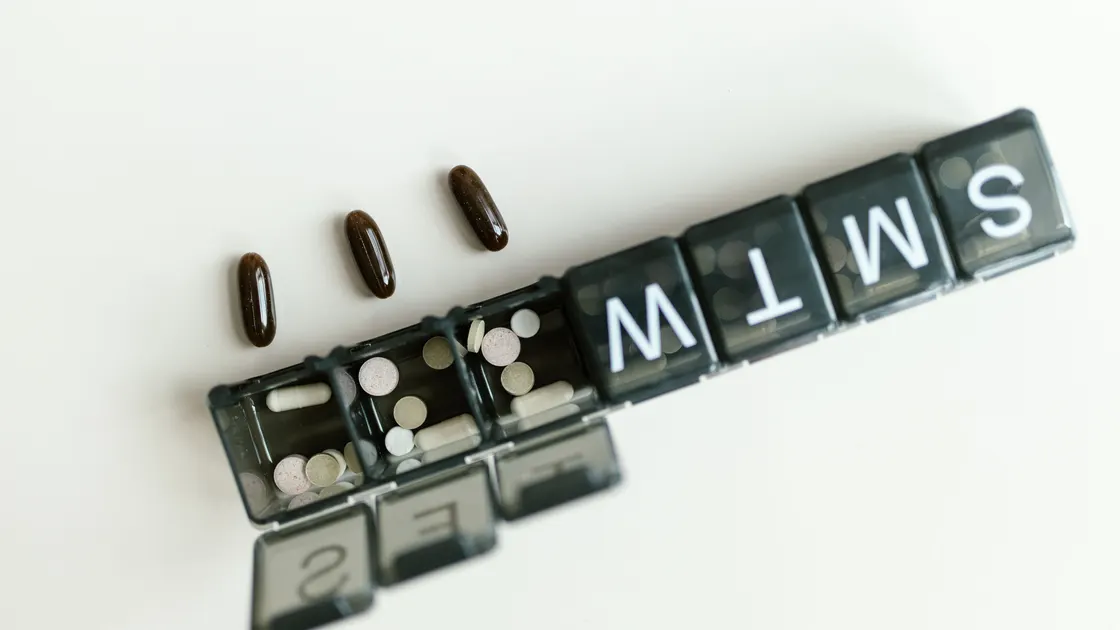

To refill regular prescriptions after moving abroad, identify every medicine by active ingredient, calculate the supply you actually have, and verify the destination’s prescribing and dispensing rules before it runs low. Establish a relationship with a licensed local prescriber and pharmacy, clarify insurance and stock, and agree on a safe response if continuity breaks. For the wider relocation sequence, use the moving-abroad planning guide.
Key Takeaways:
- Build a medicine list from labels and clinical records, including active ingredient, form, strength, recorded dose, and prescriber.
- Count usable doses and calendar days; do not rely on an old prescription’s printed quantity.
- Check local authorization, controlled-medicine restrictions, prescription validity, and product availability separately.
- Arrange a licensed local prescriber before your supply reaches the emergency stage.
- Ask a verified pharmacy about stock, lead times, repeats, substitutions, and insurer billing without changing treatment yourself.
- Use official urgent pathways for an unexpected gap and emergency services for severe symptoms.
The EU’s Your Europe portal says a prescription issued in one EU country is generally valid in another EU country, but the medicine may be unavailable or have a different name, and dispensing follows the destination country’s rules.[1] England’s NHS publishes several routes for emergency medicine supply, each with conditions and possible charges.[2] New Zealand changed some long-term prescription settings in February 2026, while excluding controlled drugs and leaving clinical duration decisions to prescribers.[3] Together, these examples show why a rule from one system must not be projected worldwide.
This article provides organizational information, not medical, pharmacy, insurance, or legal advice. Do not change a medicine, dose, schedule, formulation, or treatment plan; do not use someone else’s prescription or buy from an unlicensed seller. Contact a licensed clinician or pharmacist for individual guidance. If missed medicine or symptoms may create an emergency, use the official local urgent or emergency pathway now.
For every regular medicine, record the generic or common active ingredient, brand as a secondary identifier, formulation, strength, prescribed dose and schedule, purpose as documented, prescriber, dispensing pharmacy, prescription date, repeats remaining, and any storage or monitoring instructions. Include injections, inhalers, patches, devices, refrigerated products, and medicines taken only on certain days.
Use the current container label, pharmacy record, and clinical summary together. Photographing a box is not enough if the leaflet, dispensing label, or device contains the decisive details. Note allergies and previous adverse reactions separately. Do not infer that two similarly named brands contain the same ingredient or strength in different countries.
Count the usable quantity on hand and divide it by the prescribed schedule. Allow for partial packs, travel days, holidays, appointment delays, laboratory monitoring, and pharmacy ordering time. Mark a decision date well before the projected final dose. The goal is a planning window, not permission to stretch doses or change the schedule.
Check the destination health ministry, medicines regulator, professional regulator, and official health service for rules relevant to your exact medicine. Ask whether a foreign prescription can be dispensed, what information it must contain, whether a local prescription is required, how long a prescription remains valid, whether repeats transfer between pharmacies, and whether the medicine has special controls.
Availability is a separate question. Search by active ingredient, formulation, and strength, not only by brand. A product may be authorized but out of stock, available in another strength, restricted to hospitals, or subject to prior approval. The EU guidance explicitly recommends common-name details because brands differ and warns that destination dispensing rules still apply.[1]
Do not interpret “not listed” as proof that a product is illegal, and do not treat online marketplace availability as regulatory approval. Ask a licensed local pharmacist or prescriber to identify the official status. Controlled medicines, stimulants, sedatives, opioids, and other restricted categories may have shorter validity, supply limits, special forms, or no cross-border recognition.
Identify the appropriate local entry point: primary-care practice, specialist, public clinic, insurer network, telehealth service authorized for your location, or another regulated service. Verify the practitioner and facility through the responsible official register. Confirm whether the service can manage your condition, prescribe the medicine category, arrange required monitoring, communicate in a suitable language, and see you before the decision date.
Prepare a concise packet: identity and insurance details requested by the verified service, medicine list, allergies, diagnosis or indication as recorded, recent relevant results, previous treatment summary, and the original prescriber’s contact details. The companion guide explains how to organize medical records for an international move without sending the entire archive by default.
Ask what the clinician needs before the appointment. Some medicines require an examination, laboratory test, specialist review, or confirmation of prior treatment. A foreign prescription or letter may inform the assessment without obligating a local clinician to prescribe. Allow time for records to be checked and for a follow-up visit if the first appointment cannot complete the process.
Choose a licensed pharmacy and verify its legal name, address, and contact route. Ask whether it can obtain the exact active ingredient, formulation, and strength; typical ordering time; whether refrigeration or a device is involved; how repeats are requested; and whether a prescription must stay with one pharmacy. New Zealand’s current rules, for example, say some repeat dispensings must be collected from the same pharmacy after the first dispensing.[3] That is a New Zealand example, not a global standard.
Ask the pharmacy what happens if the prescribed product is unavailable. Record the answer, but do not accept a different ingredient, strength, formulation, or dosing schedule without the authorized prescriber’s decision and the pharmacist’s proper dispensing process. “Equivalent” can have clinical and regulatory meanings that a traveler should not decide alone.
Confirm insurance separately. Check whether the prescriber and pharmacy are in network, whether the medicine needs prior authorization, whether reimbursement requires a local prescription, what quantity limits apply, and what documents a claim needs. A pharmacy that accepts your insurer may still require you to pay and claim later. Avoid inserting a specific price into your plan because fees and eligibility can change.
Before supply becomes critical, ask the prescriber and pharmacist which official route to use if an appointment is delayed, a prescription is rejected, or stock does not arrive. Save the clinic’s out-of-hours contact, the pharmacy’s verified number, the public health advice line, the insurer assistance number, and the destination’s emergency service. England’s NHS lists online, pharmacy, urgent-treatment, and emergency routes, but eligibility and charges depend on circumstances.[2]
Know which symptoms or missed doses require urgent assessment for your condition. Only your treating professional can give that individualized instruction. If continuity fails, state the exact medicine, last dose, prescribed schedule, current symptoms, and available documentation. Do not conceal that you have already taken a dose or combine supplies from different sources without professional review.
Reject shortcuts that create larger risks: social-media sellers, marketplace imports, medicine shared by friends, altered labels, reused prescriptions, or advice to change dose frequency to make a pack last. If a website claims it can supply prescription-only medicine without an appropriate prescription or clinician review, verify it with the local regulator before sharing identity or payment data.
When you collect the first local supply, compare the dispensing label with the prescription and your medicine list. Check your name, active ingredient, strength, formulation, quantity, directions, storage, device, and expiry. Packaging color and brand may change, so ask the pharmacist to explain any difference before leaving. Do not take both old and new packs merely because their brand names differ.
Record the local prescriber, pharmacy, prescription reference, issue date, first dispensing, repeats, monitoring date, and earliest renewal date. Add the confirmed local product name to your list while keeping the active ingredient primary. Store the leaflet and receipts if the clinician, insurer, or future pharmacy may need them.
Schedule the next review from the local prescription’s real conditions, not the maximum duration described on a government page. New Zealand permits some prescriptions up to 12 months when clinically appropriate, but the prescriber still determines duration and controlled medicines are excluded.[3] Review the plan after any medicine change, move within the country, insurance change, new pregnancy, adverse reaction, hospitalization, or lost supply.
To refill regular prescriptions after moving abroad, build an active-ingredient medicine list, calculate a conservative supply timeline, and verify local rules and stock. Establish licensed care early, give the prescriber a focused record packet, confirm pharmacy and insurer processes, and agree on an official gap route. Reconcile the first local dispensing carefully and never substitute, ration, change dose, or use an unlicensed source on your own.
Possibly, but recognition, required fields, medicine controls, validity, and dispensing rules depend on the destination. Confirm with the official authority and a licensed local pharmacy.
Brands can differ between markets, while the active ingredient, formulation, and strength help a licensed professional identify the medicine accurately. They do not authorize self-substitution.
Start before your supply enters the urgent stage. Allow time for registration, records, monitoring, referrals, insurer approval, and pharmacy ordering. Your condition may require a longer lead time.
Rules and professional authority vary. Ask the pharmacist and prescriber; do not change ingredient, strength, formulation, or schedule yourself.
Ask the insurer about network status, prior authorization, local-prescription requirements, reimbursement, and appeal routes. Ask the clinic and pharmacy about official alternatives without delaying urgent care.
Contact the verified prescriber, licensed pharmacy, official urgent advice service, or insurer assistance line immediately. Use emergency services for severe symptoms or a situation identified as an emergency.
Do not rely on a marketplace listing as proof of licensing, authenticity, or legality. Use a pharmacy and prescriber that the destination’s responsible authorities recognize.
Sources checked 30 August 2026.
Sign up to experience all premium features at no cost.
*Available only to new users. Each user is limited to one trial.