Start your 3-day free trial
Sign up to experience all premium features at no cost.
*Available only to new users. Each user is limited to one trial.

If a rental car company charged you for damage, first confirm whether it is a posted charge, a pending deposit authorization, or only a demand for payment. Request the complete claim file and compare it with your pickup and return evidence before accepting or disputing the allegation.
Key Takeaways:
- A pending deposit hold, a posted card charge, and a damage invoice require different responses.
- Ask for dated condition records, photographs, a damage map, repair basis, and every added fee.
- Compare locations and timelines instead of relying on one isolated photograph.
- Notify the rental company, broker, waiver provider, insurer, or card-benefit administrator according to their actual roles.
- Dispute only the unsupported amount and keep every submission, acknowledgment, refund, and credit.
Treat evidence handling as part of your international travel plan. A prompt, organized response is more useful than guessing who caused the mark or making an accusation before the records arrive.
Open the card account and rental documents together. A pending authorization may temporarily reduce available credit without becoming a final transaction. A posted charge has a transaction date, amount, currency, and merchant descriptor. A demand letter or invoice may request payment without any card transaction yet.
Compare the amount with the original deposit, final rental invoice, and return receipt. Ask the issuer whether the entry is pending or posted, but ask the rental company what it represents. The preauthorization guide covers deposit holds; do not begin a charge dispute merely because a correctly disclosed hold has not disappeared immediately.
Separate the categories on the final invoice. Damage repair, administration, appraisal, towing, storage, loss of use, diminished value, tax, fuel, cleaning, tolls, and traffic penalties can have different contractual bases. This article concerns an alleged vehicle-damage claim, not a generic challenge to every rental fee.
Record when you first received notice and any response deadline. Save the envelope, email headers, portal notice, card alert, and exact merchant name. Do not click a payment link until you verify it through the rental company's official contact channel; a damage notice can also be imitated by a scammer.
Ask the rental company for the pickup and return condition reports, dated photographs, damage diagram, vehicle identifier, mileage, branch records, inspection times, and the agreement clause relied on. Request the repair estimate or invoice and an itemized explanation for administration, appraisal, loss-of-use, towing, storage, or other additions.
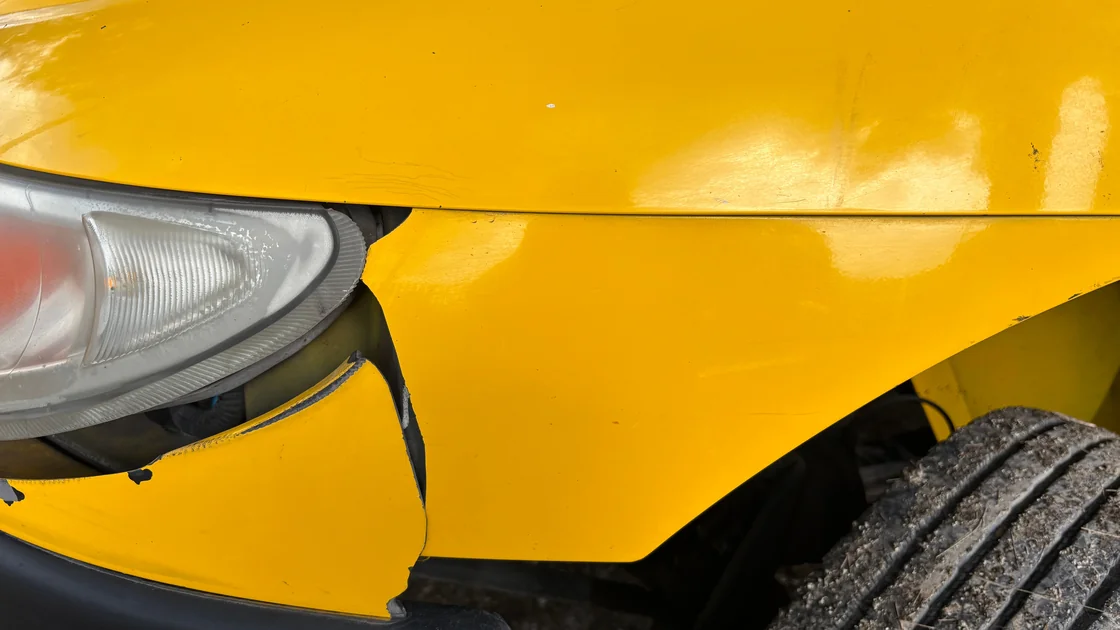
The file should connect the allegation to your rental period. Look for when the vehicle was last documented before pickup, when it was returned, when it was inspected, and whether another person drove or moved it afterward. A close-up can show a scratch but not its location, scale, vehicle identity, or time. Ask for wider context when those facts are missing.
Your Europe advises inspecting a rental car with an employee at pickup and return and obtaining written confirmation of its condition.[1] That practice strengthens evidence, but the absence of a perfect joint report does not by itself prove either side. The company still needs a coherent basis for its claim, and you should disclose the evidence you do have.
Ask whether the vehicle was repaired and whether the invoice reflects completed work or only an estimate. Do not insist that only one document can ever support a claim; contracts and local rules differ. Instead, identify which requested fact remains unsupported and why it matters to the amount or attribution.
Collect the original agreement, vehicle condition diagram, pickup photos or video, timestamp metadata, messages reporting existing marks, fuel or charging records, return photos, key-drop instructions, and return receipt. Preserve originals and make working copies for annotation. Do not edit the source files or strip metadata before providing them to an insurer or dispute body.
Map each alleged mark to a panel, side, height, shape, and surrounding feature. Then compare the company's pickup record, your first image, your return image, and its later inspection. A mark visible before rental may be pre-existing; a different angle, wet surface, dirt, shadow, or reflection may make comparison uncertain. State uncertainty rather than claiming an image proves more than it does.
Explain the return process. Was the vehicle inspected with an employee, left after hours, parked in a designated bay, or handed to a third party? Record the time, key location, mileage, fuel level, and any confirmation. An after-hours return can create an evidence gap, but it does not automatically assign responsibility to either party.
If there was an incident, give a factual account and preserve police, roadside, witness, or third-party details. Do not admit legal liability merely to speed up service, and do not conceal an event from the rental company or insurer. Liability, contract responsibility, insurance coverage, and the amount of damage are separate questions.
Send the rental company a prompt acknowledgment and request the claim file. If a broker sold the booking, notify it, but recognize that the local supplier may own the vehicle and damage process. Your Europe notes that intermediaries and rental companies can have different complaint responsibilities.[2] Keep separate case numbers instead of assuming one message reaches everyone.
Review any collision damage waiver, excess-reduction product, third-party rental insurance, travel insurance, or card rental benefit. They are not interchangeable. Check eligible vehicle, named driver, rental length, country, excluded uses, reporting deadline, required documents, deductible, and whether the benefit is primary or secondary.
Notify a potential provider before its deadline even when the rental company's evidence is incomplete. Say that the allegation is disputed and more documents have been requested. Do not submit inconsistent narratives to different providers, and disclose refunds or payments made elsewhere so the same loss is not recovered twice.
If the rental company already charged the card, do not assume an insurer will automatically reverse it. The insurer may reimburse a covered amount after review, while the card issuer may examine billing rights. Ask each organization what it needs and what action it can actually take.
Write a short chronology: pickup, first condition record, any incident report, return method, first damage notice, documents requested, and disputed amount. Identify each unsupported element. Examples include a mark shown on the wrong panel, no image connecting the vehicle to the time, a pickup photo already showing the damage, or an unexplained added fee.
Attach an index rather than an unstructured photo dump. Name files by date and view, reference them in the letter, and retain original files. Redact unrelated license, passport, home-address, and card details when the recipient does not need them. Never alter the part of a document that establishes identity, amount, or time.
State the remedy precisely: withdraw the claim, provide missing evidence, correct a duplicated line, or refund a specified unsupported amount. If part of the charge is accepted, distinguish it from the disputed portion. Avoid threatening staff, inventing witnesses, or declaring fraud without evidence.
Send through an official email or portal and save the submission, attachments, case number, and acknowledgment. Record deadlines and follow up in writing. If the company supplies new evidence, update the timeline and respond to it rather than repeating the original letter unchanged.
Complete the rental company's complaint process first when feasible. Then identify the competent consumer agency, ombudsman, alternative-dispute body, arbitration process, or court for the contract. Jurisdiction, rental location, company establishment, and booking channel may all matter. Do not label an EU, UK, US, or Australian route as universally available.
If a card dispute may apply, ask the issuer for its deadline and evidence rules. The US CFPB describes procedures for disputing billing errors in the United States.[3] It is a jurisdiction-specific source, not a global chargeback promise. Choose an accurate reason and explain that the original rental was authorized but a later damage amount is disputed.
Provide the card issuer with the agreement, invoice, company correspondence, your condition evidence, and the exact unresolved amount. Report any refund or credit that arrives while the case is open. A temporary credit is not necessarily a final decision, so keep monitoring statements and messages.
Where the amount or liability is substantial, consider independent legal advice. Do not miss a contractual, insurance, or statutory deadline while waiting for one channel to finish unless the relevant body confirms the deadline is paused.
No. A pending authorization may never post as a transaction. Ask the issuer for status and the rental company for the reason before choosing a dispute route.
Request condition reports, dated contextual photos, a damage map, vehicle identity, inspection timing, repair basis, itemized fees, and the relevant contract clause.
Document the designated bay, time, mileage, fuel, vehicle condition, and key-drop method. Explain the custody gap without assuming it proves either side's responsibility.
Only if they reliably show the same area and relevant condition. Preserve originals and explain angle, time, and vehicle context without overstating ambiguous images.
Yes when a notification deadline may apply. State that the claim is disputed and that supporting documents are still being requested.
The rental itself was usually authorized. Ask the issuer for the correct dispute category rather than reporting card theft or an unauthorized merchant without evidence.
No. A VPN cannot authenticate condition photos, determine liability, interpret coverage, reverse a charge, or decide a complaint.
Sources checked 4 September 2026.
This article provides general travel and consumer information, not legal, financial, insurance, vehicle-safety, or evidentiary advice. Follow the contract, local law, and instructions from competent authorities.
Sign up to experience all premium features at no cost.
*Available only to new users. Each user is limited to one trial.