Start your 3-day free trial
Sign up to experience all premium features at no cost.
*Available only to new users. Each user is limited to one trial.


If a restaurant added an unapproved tip abroad, first determine whether you are seeing a disclosed service charge, a customer-entered tip, a temporary authorization adjustment, or the final posted amount. Preserve the menu, itemized bill, signed receipt, and account record; ask the restaurant for an explanation and correction, then use the card issuer's accurate billing-dispute route if the final amount remains wrong.
Key Takeaways:
- Compare the menu, itemized bill, tip line, total, currency, and final posted transaction.
- A service charge, gratuity, authorization hold, and completed card entry are not interchangeable.
- Preserve originals and record exactly what you approved before contacting the restaurant.
- Ask the merchant for a corrected receipt or refund with a clear completion date.
- Describe the issue accurately to the issuer and follow the rules for your account and jurisdiction.
Add payment-document checks to your wider international travel preparation plan. This guide addresses a restaurant-tip amount, not every disputed purchase abroad and not an automatic fraud conclusion.
Start with the account status. A pending authorization can differ from a completed or posted transaction because a restaurant may authorize an estimated amount and later submit the final total. Do not compare a pending figure with a paper receipt and immediately assume that the merchant changed the tip.
Wait for the transaction to post when your issuer says a pending entry cannot yet be disputed, but preserve it now. Take a dated screenshot that shows merchant descriptor, currency, pending or posted status, amount, and any separate entry. Hide unrelated balances, account numbers, and other transactions before sharing.
Then classify the difference. A service charge appears as an item on the bill under local or restaurant rules; a tip may be written by the customer or entered on a terminal; a card authorization is a temporary account entry; and the final posted amount is what the merchant submitted for settlement. Two entries may also indicate a duplicate rather than a changed gratuity.
If the same purchase appears twice, use the duplicate card charge guide. If the amount reflects an unwanted conversion or different currency, use the wrong-currency charge process. Keep this case focused on the tip or service-charge difference.
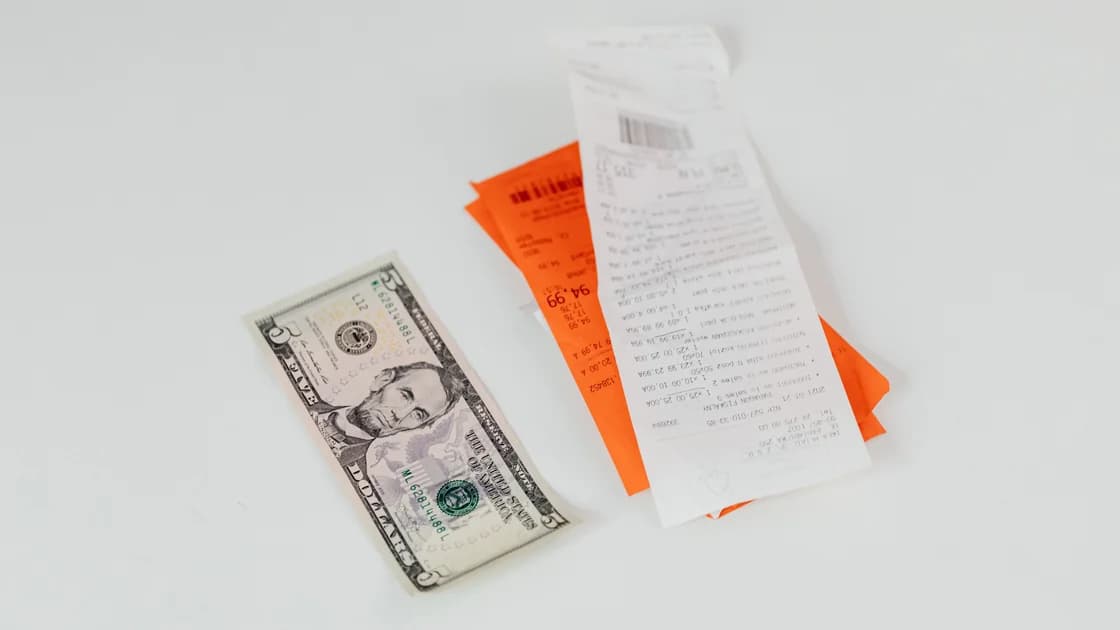
Collect the menu page, booking terms, table notice, itemized bill, card slip, signed customer copy, digital receipt, and any terminal screen you photographed. Record the food and drink subtotal, taxes, named service charge, tip line, total, currency, payment method, local date and time, and the amount shown on your card account.
Check whether the menu disclosed an automatic service charge, cover charge, minimum spend, group gratuity, or tax treatment. Do not assume the custom from your home country applies. A disclosed service charge can still be questioned if it was miscalculated or presented differently, but it is not the same factual claim as a hidden handwritten tip.
Look closely at the tip line and total on the copy you retained. Note whether you wrote zero, left it blank, entered a number, or approved a terminal prompt. Do not alter the receipt after the event. If your copy is missing, ask the restaurant for the itemized bill and the signed or electronic payment record associated with the transaction.
Build a simple calculation in the transaction currency: subtotal plus tax plus disclosed service charge plus the tip you actually authorized. Compare that expected total with the final posted amount. Keep exchange-rate movement and issuer fees separate, because they can change your home-currency display without changing the merchant's submitted local-currency amount.
Keep the physical documents flat and legible and photograph both sides. Preserve original digital files, email headers, booking messages, and account screenshots. Name copies by local date, restaurant, document type, and currency so the sequence remains understandable after the trip.
Write a short chronology: when you ordered, when the bill arrived, what charges were visible, how you entered or declined a tip, what total you approved, when the authorization appeared, when it posted, and every merchant contact. Separate direct observations from memory and from conclusions.
Do not post an accusation or an unredacted receipt on social media. A receipt can expose a signature, terminal identifiers, partial card data, location, and staff details. Share only the minimum required through official merchant, issuer, regulator, insurer, or legal channels.
The FTC recommends keeping receipts and promptly comparing them with billing statements when disputing a credit-card charge.[1] CFPB guidance similarly advises collecting supporting documents and clearly identifying the charge and reason for the dispute.[2] Those U.S. sources illustrate good evidence practice, while the legal procedure for your card may differ.
Contact the restaurant through a verified phone number, official email, booking-platform thread, or receipt contact. Provide the visit date, approximate time, transaction currency and amount, last four digits only if needed, and a redacted copy of the bill and receipt. State the discrepancy neutrally.
Ask a precise question: Was the difference an automatic service charge, a tip entered at the terminal, an authorization update, or an error in the final submission? Request the merchant's itemized calculation and transaction record. Do not send a full card number, security code, PIN, password, or one-time code.
If the restaurant agrees there is an error, ask for a corrected receipt and written confirmation of the refund amount, currency, destination card, processing date, and reference. A refund may appear as a separate credit rather than rewriting the original purchase. Use the international card refund guide if an agreed credit does not arrive within the stated processing window.
Set a reasonable response date based on your issuer's deadline; merchant contact should not consume the time available for a formal dispute. Preserve unsuccessful calls, bounced emails, and unanswered messages as part of the chronology.
Once the final transaction posts and remains inconsistent with what you approved, contact the issuer through the number on the card or its official app. Describe the issue accurately: for example, “the posted restaurant total exceeds the signed receipt by an added tip,” not “my card was stolen” if you made the underlying purchase.
Ask which category and documents apply, whether the card should remain active, how provisional credit works, and what deadlines govern your account. A tip dispute, duplicate, wrong currency, canceled service, and genuinely unrecognized purchase may follow different workflows. Use the wider card-purchase dispute guide when the problem is not limited to gratuity.
CFPB explains that U.S. credit-card billing-error protections include written-notice procedures and time limits, and that consumers should send the notice to the billing-inquiries address when using that federal route.[2][3] This is a jurisdiction-specific example, not a universal deadline or a promise that a chargeback will succeed.
Submit copies, keep originals, and save the case number and exact description used. Answer requests for more information by the stated date. If the issuer changes the dispute category, ask it to explain why so your statement remains truthful and consistent.
Monitor the original entry, merchant refund, provisional credit, reversal, and any reappearance as separate events. Record posted dates and currencies. A temporary credit may be removed while the issuer investigates, and a pending authorization disappearing does not necessarily mean a final correction has been made.
Keep restaurant and issuer communications in one timeline. If the restaurant refunds after the issuer opens a dispute, tell the issuer so duplicate recovery does not occur. Do not spend a provisional credit on the assumption that it is permanent.
If the issuer rejects the claim, request its written reason and the evidence considered. Compare that explanation with your receipt and merchant response, then use the complaint, ombudsman, regulator, or legal channel available in the account's jurisdiction. The existence of a discrepancy does not guarantee reimbursement.
Retain the file until all entries are final and applicable review periods pass. Record the outcome as a corrected merchant transaction, merchant refund, issuer credit, rejected dispute, or unresolved matter rather than using “fraud” as a catch-all label.
Not necessarily. Its legal and practical treatment varies by jurisdiction and restaurant. Check how it was disclosed on the menu and bill and whether an additional tip was separately entered.
Preserve the pending entry and ask your issuer how it handles restaurant authorizations. Some disputes cannot start until posting, and the final amount may differ legitimately. Escalate if the posted total remains wrong.
It is useful evidence but may not be conclusive by itself. Combine it with the signed total, itemized bill, terminal receipt, merchant record, and final transaction amount.
No. Exchange-rate changes, issuer fees, and currency conversion can affect the home-currency display. Compare the merchant's transaction currency and submitted total first.
Ask the issuer based on the facts. If you recognize the restaurant purchase but dispute only the tip, replacement may not be necessary; genuinely unrecognized activity may require a different security response.
It may issue a partial refund if its systems and policies allow. Request the amount, currency, date, destination card, and reference in writing and track it as a separate credit.
No. The issuer reviews the account rules, network process, merchant evidence, your documents, deadlines, and applicable law. A dispute is a request for investigation, not a guaranteed result.
Disclaimer: This guide provides general documentation and billing-dispute information, not financial or legal advice. Card protections, deadlines, restaurant practices, and service-charge rules vary by account and jurisdiction.
Sources checked 6 September 2026.
Related Reading:
Sign up to experience all premium features at no cost.
*Available only to new users. Each user is limited to one trial.