Start your 3-day free trial
Sign up to experience all premium features at no cost.
*Available only to new users. Each user is limited to one trial.
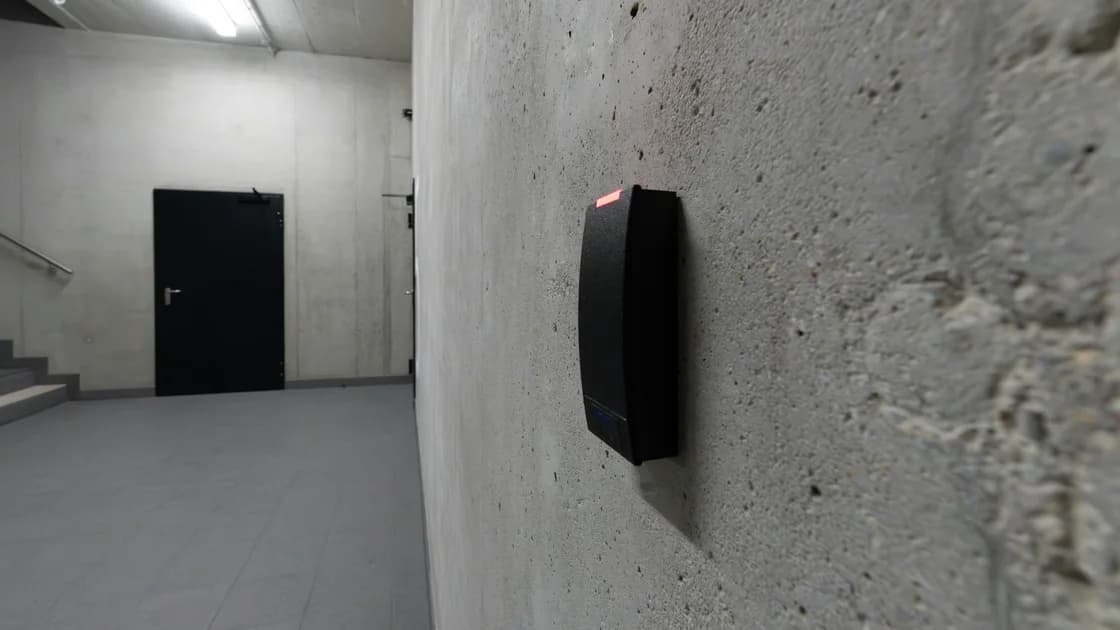

If your student ID card is not ready after arrival, first determine whether the request was submitted, whether your enrollment and identity records are eligible, whether the photo was accepted, and whether the card is waiting for production or collection. Open one complete case with the office that owns the card, then ask each affected service for only the temporary access it is authorized to provide.
Key Takeaways:
- A card delay can begin in admissions, registry, identity checking, photo approval, printing, or collection.
- Check the status and underlying records before submitting a replacement request.
- List the exact services you cannot use: housing, meals, buildings, library, transport, exams, or payments.
- Temporary cards and manual access are institution-specific and may cover only one service.
- Protect passport copies, student numbers, barcodes, and access credentials during support.
Include card readiness in your international study and travel preparation. Your admission, enrollment, international-office check-in, card request, access permissions, and account balances are connected, but they are not the same record.
Use the university's official campus-card page or authenticated portal. Confirm whether a first-card request exists, when it was submitted, which campus or program owns it, and its current state. Save the request receipt or status without posting the student number or barcode.
Distinguish “not requested,” “photo pending,” “identity check required,” “not eligible,” “queued for production,” “printed,” “sent to program,” and “ready for collection.” A generic welcome email does not prove that a card record was created. If the portal has no status, ask the card office which upstream system supplies eligibility.
Check the correct route for your cohort. Some institutions distribute new cards through a school or residence; others print them at a central office. UCL, for example, says a new student can collect an ID only after full enrollment and receives the card after document checks and a photo.[1] This is one university's process, not a standard sequence or turnaround time.
Record the office, request date, expected collection method, and the date after which the university asks students to inquire. Do not create a second request merely because the first one is not visible in another portal.
If you never submitted a photo or request, follow the first-card process. Do not use a lost-card or replacement form: that route may create an unnecessary fee, deactivate a pending card, or send the request to a different queue.
Verify the prerequisites in their source systems. Check that you are fully enrolled for the correct term, any required fees or document checks are complete, and your legal identity matches the record used to print the card. A course timetable or accepted offer may not equal full enrollment.
Compare your name, date of birth, program, campus, student number, and current status across the applicant portal, student record, and card request. Preferred names may be supported, but the university may require the legal identity record to be reconciled first. Never alter an identity document or submit a different spelling without an approved name process.
City College of New York provides a useful institutional example: if identity evidence and admissions records do not match, it routes the person through the registrar before issuing a regular card and may consider a temporary card while the record is clarified.[2] Another institution may use a different owner and may offer no temporary card.
Check the photo result. Look for rejection messages about file size, background, lighting, pose, headwear, or image format. Follow only the published requirements. Do not repeatedly upload compressed screenshots or an edited portrait that no longer represents your appearance.
If an international-student document check is blocking enrollment, contact that office about the record it owns. If registry status is wrong, contact registry. Ask the card office to identify the missing eligibility flag rather than sending your passport to several teams.
Contact the card office through its official form, portal, email, telephone, or desk. Use one case unless staff direct otherwise. Include your name, masked student number, program, campus, arrival date, request date, current status, and the exact service impact. Attach only the requested evidence.
Write a compact chronology: request submitted, photo approved or rejected, enrollment confirmed, document check completed, promised distribution date, and latest status. Ask which field is blocking production, who owns it, and what evidence or action will clear it.
If the card is managed by your faculty, residence, library, or security office, confirm the handoff. A central office may have printed the card while a local desk has not logged collection. Ask for the destination and collection requirement rather than requesting another print.
Protect sensitive data. Do not send full passport pages, visa records, account balances, or card barcodes to a general help address unless the official process requires them. A screenshot should hide unrelated notifications and account details while leaving the relevant status and date visible.
Save the case number, channel, staff answer, owner, promised action, and follow-up date. If you visit in person, ask for written confirmation of any manual instruction. This record reduces contradictory duplicate requests.
List what the missing card prevents you from doing today. Separate residence entry, classroom or laboratory access, library borrowing, meal plan, campus payment, transport discount, attendance, exam identification, printing, and recreation. Each service may have a different owner and temporary control.
Ask whether the institution offers a temporary card, visitor pass, digital credential, manual roster check, residence key, meal voucher, or written confirmation. Ask what it covers, when it expires, whether a deposit or fee applies, and how it will be deactivated when the permanent card arrives.
CUNY Graduate Center shows how narrow these exceptions can be: temporary cards may require registration evidence or a program memo, and some access is granted only in unusual circumstances.[3] Treat that as an example, not an entitlement at another school.
Prioritize safety and essential access. If you cannot enter your residence, contact housing or campus security through the official emergency route. If an exam is imminent, ask the examinations office what identity evidence it accepts. A card office cannot necessarily override those rules.
Do not borrow another person's card, tailgate through a secure door, copy a barcode, or ask staff to leave a door unlocked. Temporary access should be issued to you, time-limited, and recorded by the responsible service.
Before paying a replacement fee or submitting another form, confirm whether the university regards the card as lost, never produced, defective, or waiting for collection. Those states can have different fees and controls. A first-card production delay should not automatically become a paid replacement.
Check whether a card number has already been assigned. If so, ask whether it is active and whether any temporary credential will conflict with it. Do not add money to an unverified card account or assume a meal-plan balance is missing because the physical card is absent.
Keep confirmation emails and collection codes private. Student IDs may connect to buildings, payments, library records, printing, attendance, or transport. Never post a card image, barcode, magnetic stripe, account identifier, or temporary-pass QR code in a public support forum.
If you receive multiple “ready” messages, compare the campus, date, and collection location. Use the latest confirmed instruction and ask the office whether an earlier card was voided. Collecting or activating the wrong duplicate can disable the correct credential.
When a staff member asks for identity evidence, verify the recipient and purpose. Show originals in person where required; submit copies only through the approved path. Keep a record of what was provided and request deletion of an accidental duplicate through the institution's privacy process where appropriate.
Bring the exact collection evidence the institution names, such as government photo identification, enrollment confirmation, appointment record, or temporary card. Confirm the collection office and opening hours on the day you go. Do not travel to a location based solely on an old email.
At collection, check that the printed name, photo, student number display, expiry, and program or access category are correct. Do not accept a materially incorrect card without asking how the record will be fixed. Return any temporary credential as instructed and obtain a receipt if it carried a deposit.
Activate the card only through the official method. Then test the necessary services one at a time: building entry, residence, library, meal plan, printing, payment, or transport. Do not repeatedly tap at a secure door if access fails; note the reader, location, time, and message and report it to the service owner.
Confirm that balances and permissions transferred from any temporary credential. A working door credential does not prove that dining or library functions are active. Ask the relevant office to correct its system rather than requesting another physical card.
Close the original case with the collection date and any remaining access problem. Store the card securely and record the official lost-card route separately for future use.
There is no universal period. Use the current timetable for your institution, cohort, campus, and request state, then follow up on the date it specifies.
Not unless the card office confirms that the first card was produced and is lost or unusable. A replacement route may add a fee or deactivate another credential.
Some institutions offer limited temporary cards or passes; others do not. Ask what is available, what it covers, what evidence is required, and when it expires.
Follow the university's name and identity-record process. Explain the difference honestly and ask which name can appear on the card; never edit supporting documents.
Contact residence staff or campus security through the official route. Do not borrow a card or bypass a controlled entrance.
Not necessarily. Card production can lag behind a valid enrollment, but an incomplete enrollment can also block production. Check both records separately.
Verify the printed details, activation, necessary doors, residence, library, meals, printing, payment, and any other assigned service. Report each failure to its owner.
Disclaimer: This guide provides general administrative and security information. Card eligibility, production, temporary access, identity checks, fees, and service permissions vary by institution.
Sources checked 6 September 2026.
Related Reading:
Sign up to experience all premium features at no cost.
*Available only to new users. Each user is limited to one trial.