Start your 3-day free trial
Sign up to experience all premium features at no cost.
*Available only to new users. Each user is limited to one trial.
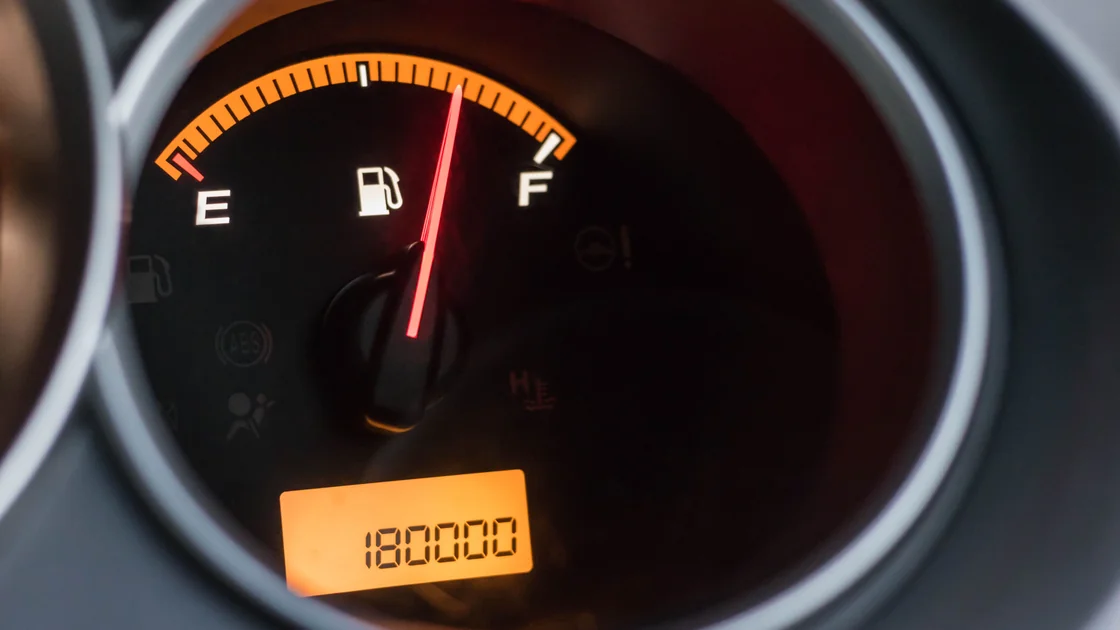

If you returned a hire car full and still got an unexpected rental car fuel charge, prevention next time comes down to evidence: refuel near the return branch, keep the receipt, photograph the gauge and mileage at drop-off, and ask staff to record the level. For the current charge, compare it with the fuel policy you accepted, the pickup and return fuel records, and the company’s itemized calculation. Ask the rental company to correct a factual error, and use a card dispute only for a posted charge that remains unresolved.
Key Takeaways:
- Confirm whether the entry is a temporary hold or a settled fuel-related charge.
- Read the exact fuel policy: full-to-full, same-to-same, prepaid fuel, or another documented arrangement.
- Match dashboard photographs, timestamps, a fuel receipt, return record, and final invoice.
- Ask for the quantity, rate, service fee, tax, and fuel reading used in the calculation.
- Escalate through the rental company, broker, applicable conciliation body, or insurer in the right order.
- Describe a card dispute accurately and disclose any later refund or credit.
Treat the charge as one record inside your broader international travel documentation plan. A clean timeline is especially useful when the booking site, pickup station, return station, rental company, and card issuer are different organizations.
Start with the reservation confirmation, rate terms, rental agreement, checkout sheet, and any document signed at the counter. Find the fuel section and record its wording exactly. Common arrangements include returning the tank full, returning it at the same level shown at pickup, buying a tank in advance, or paying the company to refill it.
Do not assume that “full” means the dashboard needle merely looked close to full. The contract may define a gauge mark, percentage, digital range, or receipt requirement. Check whether it also allows a refueling service fee, a per-unit fuel rate, taxes, or an electric-vehicle recharge fee. The FTC warns that rental companies commonly charge their own fuel price when a vehicle is not returned full and that prepaid fuel can cost more than refilling it yourself.[1]
Save the version of the terms that applied to your booking. A current website page may differ from what you accepted. If a broker sold the reservation, separate the broker’s voucher from the rental company’s agreement; each document may describe a different part of the transaction.
Build a short timeline containing booking, pickup, refueling, return, invoice, and card-posting times, including time zones. Note the vehicle, agreement number, pickup and return locations, and who received the keys. This turns scattered screenshots into evidence that another person can follow.
Open the card activity and the rental company’s final invoice. Label each entry as pending, posted, reversed, refunded, or replaced. A temporary authorization may reduce available credit without becoming a final charge. The FTC explains that rental companies often block more than the expected rental cost to cover possible final charges.[1] That ordinary hold belongs to a different issue from a specific fuel line on a settled invoice.
Compare merchant name, amount, currency, date, and transaction identifier. A final charge may replace an earlier authorization, while a separate small transaction may be a later adjustment. Do not add every visible entry together until you know which ones have settled; otherwise you may report a duplicate that the payment system is already reversing.
Ask the rental company for the final, itemized invoice if the portal shows only a total. Identify the label used: fuel, refueling, fuel service, missing charge, recharge, administration, or tax. If the company says the amount is still being recalculated, ask when a final document will be issued and keep the answer.
Wait for a pending entry to settle unless your issuer instructs otherwise or the amount creates an urgent account problem. You can still notify the merchant promptly and preserve the deadline. Do not call a charge “unauthorized” merely because you disagree with how a contract term was applied.
Gather the pickup fuel record, return receipt, timestamped dashboard photographs, fuel-station receipt, payment proof, mileage, and any key-drop or inspection confirmation. Keep the original files. Photographs should show enough dashboard context to identify the fuel gauge and, where useful, mileage or electric range without exposing unrelated personal data. On your next rental, use the same list as a return checklist.
Match the fuel receipt to the return: station location, purchase time, fuel type, quantity, currency, and distance from the return branch. A receipt alone does not prove the car’s final level, and a dashboard image alone does not prove when or where fuel was bought. Together with the return record, they form a stronger chain.
If you returned outside business hours, preserve the key-drop instructions, parking location, time-stamped photographs of all sides, dashboard, and fuel door, and the time the company later checked the car. The gap between drop-off and inspection matters because the vehicle was no longer under your practical control.
Record evidence that cuts against your position too. For example, a receipt may show too little fuel to restore the agreed level, or the pickup form may record a higher starting level than you remember. A precise complaint is more credible than selectively omitting an inconvenient fact. The UK consumer guide recommends retaining booking confirmation and condition evidence because rental disputes often depend on what was agreed and documented.[2]
Send one concise written complaint through the company’s verified channel. Include the agreement number, vehicle, locations, dates, disputed line, requested correction, and a numbered attachment list. State the accepted fuel policy and explain exactly where the company’s invoice differs from your evidence.
Ask for the pickup and return fuel readings, inspection timestamp, fuel quantity added, per-unit rate, service fee, tax, and any photograph or station record used. If the dispute concerns an EV, ask for the required and recorded battery levels plus the recharge calculation. Request an amended invoice, not only a promise that “a refund is processing.”
Avoid sending full card numbers, passwords, one-time codes, or unrelated identity documents. Redact only working copies and keep originals. If the company needs an identity field, use the least information its official process requires.
Give a reasonable response date that does not sacrifice any shorter card, insurance, conciliation, or legal deadline. Log every contact, case number, attachment, response, and promised refund. When a credit appears, match it to the original currency and transaction rather than assuming a similarly sized entry resolved the case.
Escalate first within the rental company, moving from the station to central customer service or its formal complaints team. The station may hold the return record, while head office controls invoice corrections. If a booking broker collected the disputed amount or changed the disclosed terms, complain to that entity separately and identify which remedy you seek from each party.
Check whether the supplier belongs to an applicable arbitration, conciliation, consumer authority, or trade-body scheme. Jurisdiction and membership matter: a scheme named in one country’s guidance may not cover a rental elsewhere. The UK government guide lists complaint and conciliation paths for particular UK and cross-border contexts, while expressly warning that its material is not legal advice.[2]
If travel insurance or card rental coverage could apply, read the policy before filing. A fuel-policy disagreement is not automatically vehicle-damage coverage. Give the insurer the contract, invoice, complaint history, and merchant response, and disclose any pending refund.
Keep remedies coordinated. Do not demand the same full amount simultaneously from the rental company, broker, insurer, and issuer without disclosing the other claims. If one party pays, update the others and calculate the remaining actual loss.
Use the issuer route after identifying a posted charge, trying the merchant where practical, and selecting a truthful dispute reason. The problem may be an incorrect amount, service not provided as agreed, duplicate billing, or another category defined by your card agreement. It is not necessarily fraud or an unauthorized transaction.
Check the card agreement and local deadline immediately. For one US process, the CFPB says a consumer should notify the card company promptly and send a written billing-error notice within 60 calendar days after the charge appeared on the statement; it also advises keeping copies and a call log.[3] That period is not a universal rule for every card, country, debit transaction, or contractual claim.
Submit a compact evidence packet: contract and fuel policy, pickup and return records, invoice, photographs, receipt, merchant complaint, response, and requested amount. Explain any difference between the invoiced total and disputed portion. Never alter metadata or create a missing receipt.
Continue monitoring both accounts. A merchant may refund after an issuer gives a provisional credit. Report overlapping credits, answer issuer requests on time, and keep the final decision. A chargeback decision resolves a payment process; it does not rewrite the rental contract or guarantee an insurance outcome.
Only if the contract or sales representation supports your position. Some prepaid-fuel products charge for the tank regardless of what remains, so compare the signed terms with what the agent told you and what the invoice shows.
Full-to-full generally requires a full tank at return; same-to-same requires approximately the recorded pickup level. The contract’s measurement and evidence rules control, so preserve both pickup and return readings.
Ask the station for a duplicate and preserve card payment evidence, location history you are comfortable sharing, and dashboard photographs. Explain the missing receipt honestly; do not manufacture a replacement.
Use time-stamped dashboard and vehicle photographs, the fuel receipt, key-drop confirmation, parking location, and the company’s later inspection time. No single item proves everything, but the sequence can show the condition when you relinquished control.
Yes, if the agreement sets a required battery level and a recharge fee. Compare the pickup and return percentages, charger record, return photographs, invoice formula, and any grace range in the terms.
Contact the entity that imposed or collected the disputed amount, and copy the other when its voucher or representation matters. Make clear which record or remedy you request from each organization.
No. A network tool cannot verify the fuel gauge, authenticate a receipt, interpret the contract, or compel a refund.
Sources checked 4 October 2026.
This article provides general consumer information, not legal, financial, insurance, or contractual advice. Terms, deadlines, evidence rules, and remedies vary by agreement, issuer, payment method, and jurisdiction.
Related reading:
Sign up to experience all premium features at no cost.
*Available only to new users. Each user is limited to one trial.