Start your 3-day free trial
Sign up to experience all premium features at no cost.
*Available only to new users. Each user is limited to one trial.
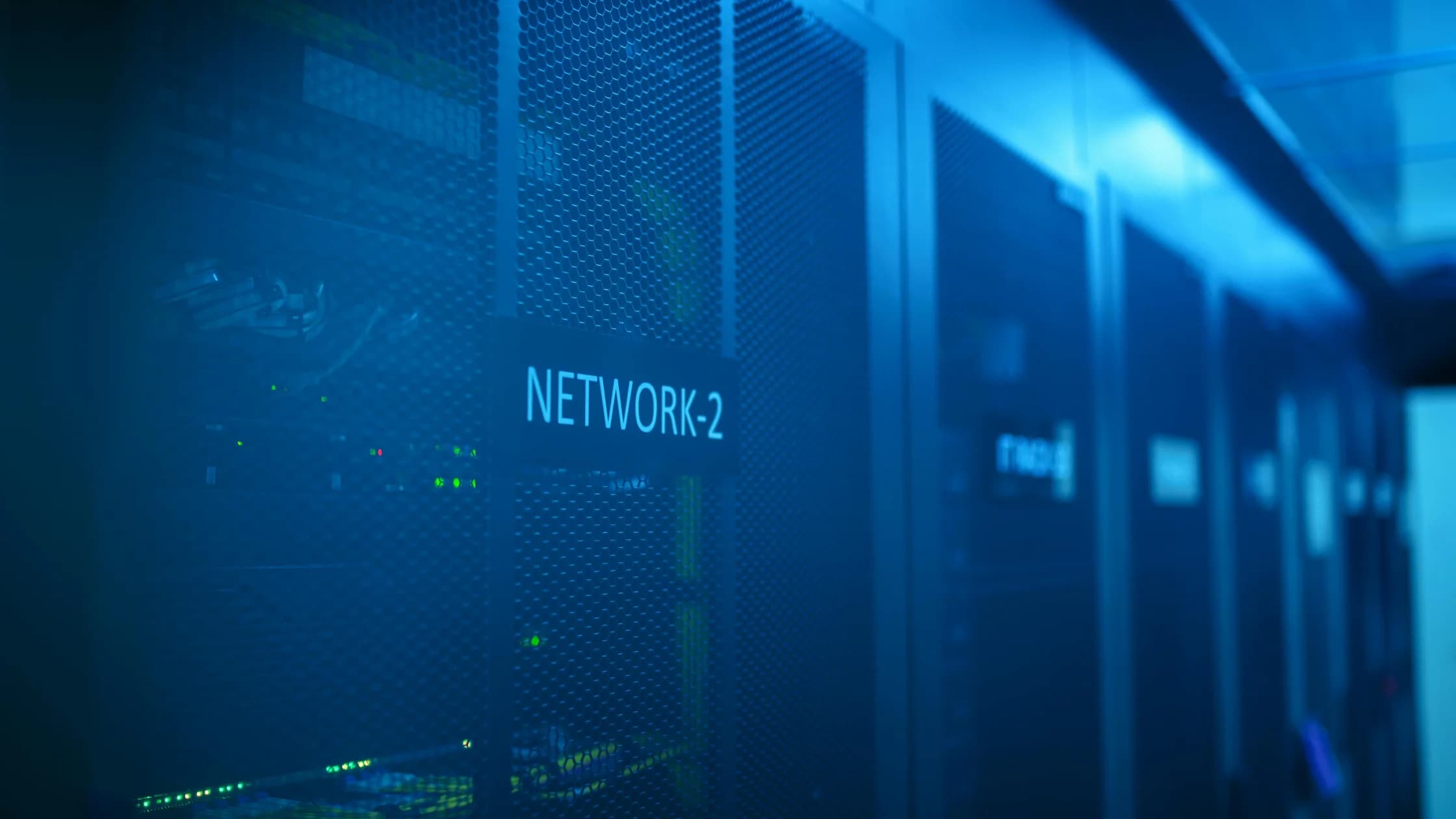

When you are ready to get online and your browser throws a “DNS server not responding” error, the interruption is maddening. In plain English, your device has lost contact with the server that translates website names into IP addresses, so the page cannot load.
If the networking terms in this article feel abstract, the complete VPN guide explains the tunnel, exit IP, and encryption model before you troubleshoot this specific case.
Key Takeaways
- What a DNS error means: Your device has temporarily lost the internet’s “address book.”
- Main causes: Stale local DNS cache, a router glitch, or a failed default DNS server from your ISP.
- Fast fixes: In most cases, restarting the router, flushing the DNS cache, or switching to a secure third-party DNS such as Cloudflare
1.1.1.1solves the issue.
Without DNS resolution, your computer does not know which server to contact, so websites will not open. Common culprits include:
From my monthly testing routine, the fix is usually quick once you isolate the layer causing the failure. Work through the steps below in order.
It sounds like generic support advice, but it is the highest-value first move. A restart clears stale connection state and lets your devices negotiate a fresh network session.
Your computer stores recently visited domain-to-IP mappings. If that notebook contains an old or wrong address, your system may keep taking the wrong route even when the website is healthy.[2]
On Windows:
ipconfig /flushdns and press Enter.On macOS:
Command + Space, search for Terminal, and open it.sudo dscacheutil -flushcache; sudo killall -HUP mDNSResponder.If you rely on your home ISP’s default DNS, failures are not rare. You can manually switch to public DNS servers such as Cloudflare 1.1.1.1 or Google 8.8.8.8.[1]
If digging through adapter settings and IPv4 properties feels tedious, use a quality VPN with encrypted DNS built in. That also answers a bigger question: what can a VPN hide? It can encrypt your DNS requests so your ISP can no longer inspect them as easily.
IPv6 is widely promoted, but some older routers and local ISPs still handle it poorly. That mismatch can cause connection failures.
On Windows, press Win + R, type ncpa.cpl, right-click your Wi-Fi or Ethernet adapter, choose Properties, uncheck “Internet Protocol Version 6 (TCP/IPv6),” and confirm.
If the root cause is old firmware or an outdated driver, the error may keep returning. An outdated network adapter driver can prevent your device from passing network requests correctly.
On Windows, open Device Manager, expand Network adapters, find your wireless or wired adapter, right-click it, and choose Update driver.
Overactive antivirus tools and firewalls can also block DNS traffic. Try disabling Windows Defender or a third-party firewall for about 10 minutes. If websites immediately load, the firewall policy is likely the problem.
If you are on Wi-Fi, test with a physical Ethernet cable connected directly to the router. That helps separate DNS issues from weak wireless signal or interference.
Connect another phone or computer to the same Wi-Fi and check whether it also shows “DNS server not responding.” If a second device fails too, the issue likely sits with your router connection or an ISP outage.
As a last resort, hold the router’s Reset pinhole for about 10 seconds to restore factory settings. Afterward, use our VPN installation and network reset guide to reconfigure the connection.
No. “Cannot connect to Wi-Fi” means your device is not connected to the router. You can still have full Wi-Fi bars and get a DNS server error if the router cannot resolve addresses on the wider internet.
If only one device fails while others work, the issue is probably inside that device. Flush its DNS cache, test IPv6 settings, and update network drivers before restarting the entire household router.
Yes, and often in a positive way. Many ISP DNS resolvers get congested. Public DNS providers such as Cloudflare 1.1.1.1 can resolve domains faster and often perform better in streaming buffer and speed tests.
Absolutely. Many “free and fast” proxy apps do not use real tunnel encryption and may silently add interception rules or change adapter settings. If errors appear after you close one, remove it and switch to a provider with a proper audit history.
It is safe. Flushing DNS cache only resets your system’s domain lookup records. It does not delete browser cookies, saved passwords, bookmarks, search preferences, or personal files.
Disclaimer: This article is for general informational purposes only and does not constitute legal, technical, or other professional advice. We make no guarantees regarding the accuracy, completeness, or timeliness of the content.
AethoVPN does not replace the non-network steps in “How to Fix the DNS Server Not Responding Error”.
Sources:
Sources checked 8 May 2026.
Related Articles:
Sign up to experience all premium features at no cost.
*Available only to new users. Each user is limited to one trial.