Start your 3-day free trial
Sign up to experience all premium features at no cost.
*Available only to new users. Each user is limited to one trial.
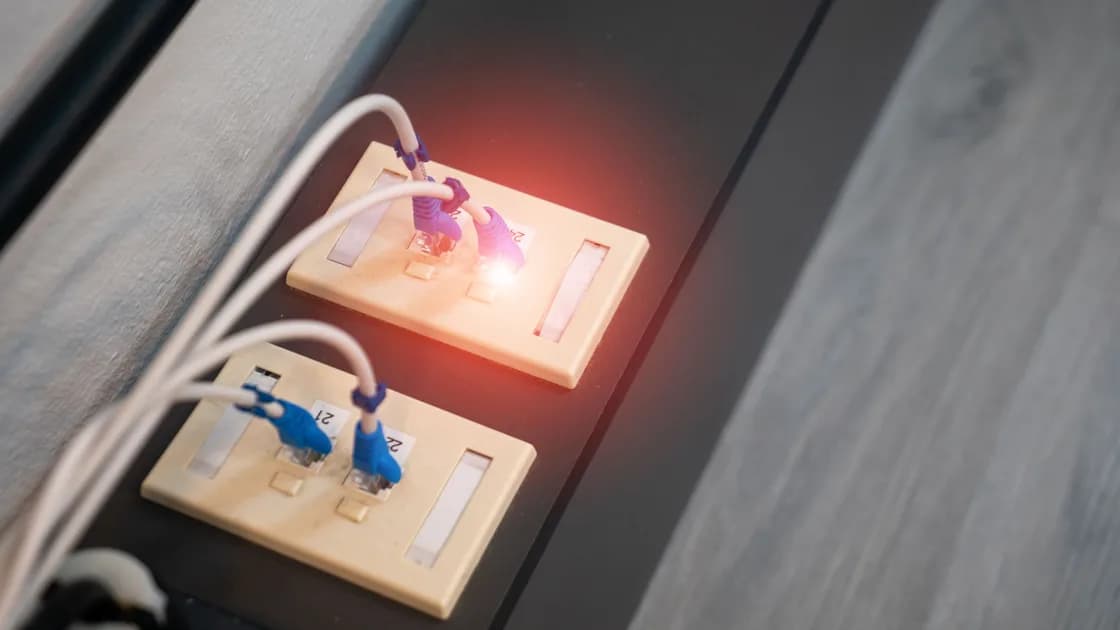

If you have internet not working after a power outage, or Wi-Fi will not connect once power returns, restore the connection from the outside in: confirm safe, stable power; wait for the modem or fiber ONT to regain its provider link; then check the router, mesh points, and individual devices. Avoid a factory reset at the beginning, because it can erase working settings without fixing an active ISP or power problem.
Key Takeaways:
- Separate a continuing provider outage from a home-network startup problem.
- Let the modem or ONT finish synchronizing before judging the router.
- Recover the primary router before mesh points, extenders, and smart devices.
- Treat a factory reset as a last resort, not a normal restart.
For general device diagnostics beyond outage recovery, use the Device and App Troubleshooting Guide.
Start with safety and scope. A power outage can coincide with a utility problem, a tripped outlet, a damaged power adapter, or an ISP outage. Repeatedly unplugging equipment will not help until you know which layer is unavailable.
Stop and disconnect the affected equipment if you notice a burning smell, melted plastic, water exposure, sparks, buzzing from a power adapter, or unusual heat. Do not open a modem, ONT, router, power supply, or wall outlet. Use the equipment maker, ISP, landlord, or a qualified electrician for damaged electrical hardware.
Then answer four quick questions:
If the router has no lights, test the power adapter in a known-working outlet only when it is safe to do so. If it is connected to a surge protector or UPS, confirm that the intermediary device is on and not reporting a fault. Do not substitute an adapter unless its electrical specifications and connector are approved for that equipment.
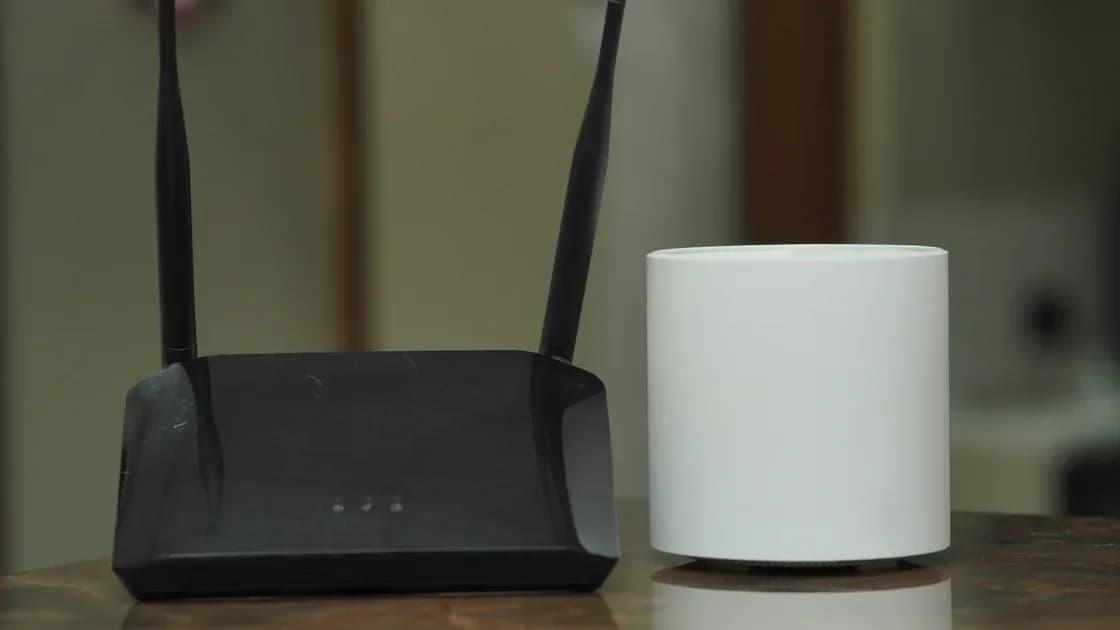
The connection normally has an upstream-to-downstream dependency chain. A modem converts the provider connection into an Ethernet handoff for a router, while some ISP gateways combine both roles.[1] Fiber service may use a separate ONT instead of a cable or DSL modem.
| Layer | What must be ready | Typical evidence |
|---|---|---|
| Utility and outlet | Stable power | Other safe devices work normally |
| Modem, gateway, or ONT | Provider link synchronized | Online, Internet, PON, or equivalent light reaches its normal state |
| Primary router | WAN address and routing available | Router reports Internet or WAN connected |
| Mesh points or extenders | Backhaul restored | Nodes return online in their management app |
| Client devices | Valid Wi-Fi and IP configuration | A test page loads with cellular data disabled |
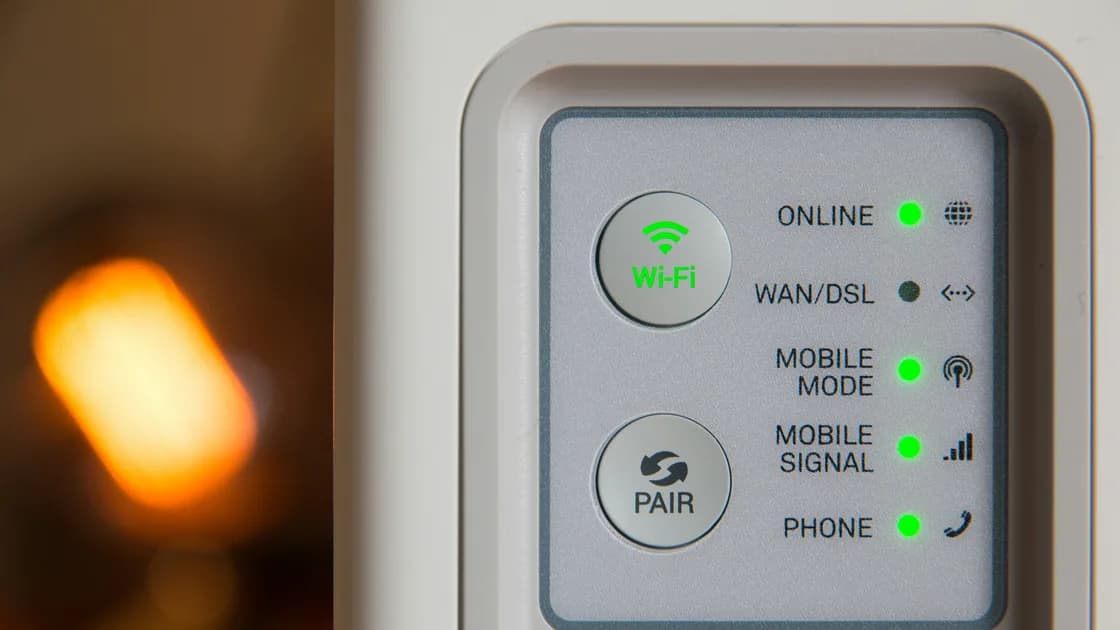
Names, colors, and blinking patterns vary. Read the label and the provider or manufacturer guide instead of assuming that every green light means the same thing.
Google's modem restart guidance, for example, tells users to disconnect power and Ethernet, allow the modem to power down, reconnect it, and wait for the Internet light before testing.[2] That sequence is useful evidence for the dependency principle, but its exact waiting time is not universal. Follow your ISP's instructions when they differ.
If power has just returned, give the modem, gateway, or ONT time to boot. Fiber ONTs may need to reacquire the optical network; cable and DSL modems may scan and register with the provider. Restarting them again during this phase can restart the synchronization timer.
Check that the provider cable and Ethernet cable are seated without forcing them. For fiber, do not bend, unplug, clean, or look into an optical connector unless your provider specifically instructs you to handle it.
Once the provider device shows its normal online state, check the router's WAN or Internet status. If you have a combined gateway, there may be no separate router startup step.
A router that broadcasts Wi-Fi but has no WAN connection can make devices display “connected” while nothing online loads. That condition is covered in more depth in why a router can be connected without Internet access.
Bring the main router back before diagnosing secondary nodes. A mesh point cannot establish a healthy backhaul when the primary router is still offline. Wait for the controller to show the primary unit as connected, then check each node rather than power-cycling the entire house repeatedly.
If a node remains offline, move it temporarily closer to the primary router or use its wired backhaul if that was the previous working design. The mesh Wi-Fi guide explains the difference between the primary unit and satellite nodes.
Read the router's own lights or app before restarting anything again. Each pattern points to a different fix:
| Router state | What it suggests | Safe next step |
|---|---|---|
| No lights with its original adapter in a working outlet | Failed adapter, power strip, UPS output, or router power circuit | Check the outlet path; use only a maker-approved replacement adapter |
| Lights stay in a startup or error pattern longer than the maker's guide describes | Interrupted boot or firmware problem | Restart once, then follow the maker's recovery steps |
| Normal lights and Wi-Fi, but WAN or Internet shows disconnected | Upstream link, cable, or provider settings | Check the modem or ONT, then the router WAN status |
| Works only after repeated restarts | Weak power supply or hardware fault | Contact the manufacturer before relying on it |
Do not hold the reset button as a diagnostic step; it erases settings without showing which layer failed. If the router stays dark or fails its recovery steps, treat it as a hardware or warranty case for the manufacturer, and rebuild a replacement's WAN and Wi-Fi settings deliberately.
Use observations that isolate one layer at a time. Do not change DNS, Wi-Fi names, passwords, firewall rules, and router firmware all at once, because a successful recovery will not reveal which change mattered.
| Observation | More likely cause | Next check |
|---|---|---|
| Modem or ONT never reaches its normal provider-link state | ISP line, provisioning, or provider power issue | ISP outage page or support |
| Provider device is online but router WAN is disconnected | WAN cable, router startup, DHCP, PPPoE, or static settings | Router WAN status and ISP requirements |
| Router reports Internet but one mesh node is offline | Backhaul or node power issue | Mesh topology and node placement |
| Several devices work but one does not | Client Wi-Fi, DHCP lease, or saved-network issue | Reconnect only that client |
| Wi-Fi works but wired clients do not | Switch, Ethernet path, or port power issue | One known-good cable and port |
If your ISP uses PPPoE or a static address, the router may need settings supplied by the provider. Google notes that PPPoE credentials can differ from the password used to manage the ISP account.[3] Do not guess these values or factory-reset the router in the hope that they will reappear.
A direct Ethernet test can be helpful only when your ISP and equipment support it and you understand the topology. Do not bypass an ONT, connect a computer directly to exposed provider wiring, or change bridge mode casually. If the gateway is provider-managed, ask the ISP what test they support.
First test with a phone or laptop while cellular data is disabled. If that device reaches the Internet, the upstream connection is working and the remaining problem is local to a node or client.
On a single failed client, turn Wi-Fi off and back on, then reconnect to the existing network. Forgetting the network removes the saved password and related settings, so use it only after a normal reconnect fails. Confirm that the device did not join an old router, extender, or similarly named guest network.
Smart-home products may recover more slowly than phones because they reconnect on their own schedule. Some will not rejoin after the Wi-Fi name, password, or security mode changed. Use the focused smart-home Wi-Fi setup checklist rather than weakening router security for every device.
If only one wired segment is down, inspect the switch or power injector that serves it. Small Ethernet switches, PoE injectors, and access points may be on a different outlet or UPS from the main router.
A restart preserves configuration. A reconfiguration changes selected settings. A factory reset erases settings and may remove ISP credentials, mesh membership, reservations, port rules, and every saved Wi-Fi client.
Use this escalation order:
If you recently replaced equipment or settings were lost, compare the current configuration with the new-router setup checklist. Do not restore an unknown backup merely because its date predates the outage.
Contact the ISP when the modem or ONT cannot regain its normal provider-link state, the outage page shows an incident, provisioning appears incomplete, or required WAN credentials are unknown. Tell support what the provider device lights show and whether the outage affects neighbors or the building. If the provider confirms an incident and you still need to get online, compare a phone hotspot with public Wi-Fi before moving sensitive tasks to a temporary connection.
Contact an electrician, building manager, or equipment service provider when outlets remain dead, breakers trip again, equipment was exposed to water, or power adapters show physical damage. Network troubleshooting ends where electrical safety begins.
If power is stable and the ISP confirms the line is working, the router manufacturer can help interpret model-specific lights, logs, and recovery procedures.
The router can broadcast its local Wi-Fi network before the modem, ONT, or WAN connection is ready. Check the upstream provider device and router WAN status rather than assuming the Wi-Fi signal proves Internet access.
There is no universal time. The modem or ONT must boot, synchronize, and sometimes register with the ISP. Follow the provider's light guide and avoid restarting it repeatedly while that process is still progressing.
Use the sequence documented by your ISP or equipment maker. The important dependency is that the provider device must be ready before you judge the downstream router, but combined gateways and backup batteries can change the procedure.
Normal outages should not erase settings stored in nonvolatile memory, but hardware faults, interrupted updates, or a failed power supply can cause abnormal behavior. Check the current configuration before resetting anything.
They may reconnect more slowly or require the previous Wi-Fi name, password, security mode, hub, or local-network discovery. Troubleshoot their setup path individually instead of changing the whole network immediately.
Not as a first step. A reset can erase ISP and home-network configuration while leaving an active provider or power problem unchanged.
A UPS can power local equipment for a limited time, but service still depends on the provider's outside network and every required local device. Use only equipment and power loads supported by the UPS manufacturer.
Report when power returned, which device lights are abnormal, whether the modem or ONT synchronizes, whether the router obtains a WAN connection, and whether nearby customers are affected. Avoid claiming that Wi-Fi visibility proves the provider line is working. AethoVPN cannot restore a modem or ONT that has not resynchronized after a power outage; confirm the provider line and router WAN state before testing VPN traffic.
Sources checked 4 October 2026.
Sign up to experience all premium features at no cost.
*Available only to new users. Each user is limited to one trial.