Start your 3-day free trial
Sign up to experience all premium features at no cost.
*Available only to new users. Each user is limited to one trial.
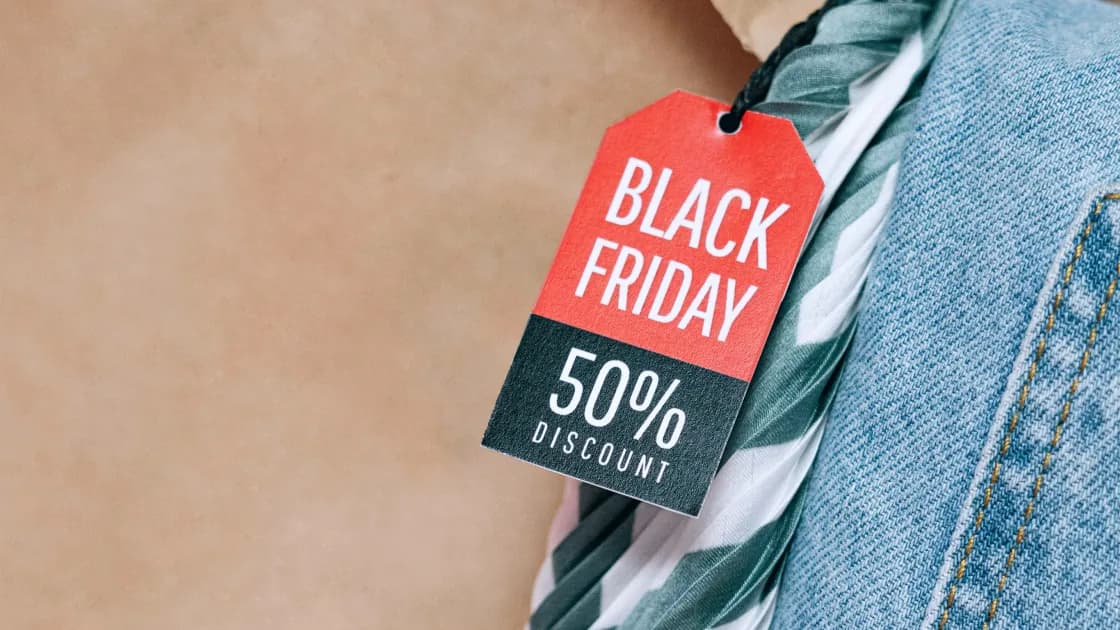

Black Friday scams usually do not work because the trick is sophisticated. They work because you are rushing for a discount, worried about stock, or too tired to inspect a link. That is when fake stores, fake delivery notices, and fake coupons appear. The FTC has long warned consumers that unfamiliar links, prices that are too low, and unusual payment methods are major warning signs of online shopping scams.[1]
If you want the basics of phishing links first, read what URL phishing is and the 6 warning signs in a link.
Use the online security guide as the baseline: it connects this risk to account, device, browser, and network hardening.
Key Takeaways
- Black Friday scams use urgency, low prices, and stock anxiety to lower your guard.
- The danger is not the discount itself. It is a mismatch between the link source, payment method, and seller identity.
- Do not log in through unfamiliar short links in texts, social DMs, or ads.
- Credit cards are usually better for online shopping disputes than bank transfers, gift cards, or cryptocurrency.
- If you are scammed, freeze payments, change passwords, save evidence, and report to platforms and regulators.
Fake stores imitate well-known brand pages and add extreme discounts, countdown timers, and "only a few left" pressure. The real warning signs usually appear in the domain, contact information, and checkout page.
Check for:
The FTC recommends searching the seller name with terms like scam, complaint, or review before paying, instead of trusting the reviews shown on the page.[1]
During shopping season, many people really are waiting for deliveries, so "package undeliverable," "wrong address," or "extra shipping fee required" can easily trigger a click.
Use simple checks:
If you often receive messages like this, read what smishing is.
"Fill out a survey for a huge coupon" and "share with 5 groups to get a gift card" are common hooks. The goal may not be direct payment. It may be your phone number, email, address, or account password.
Be especially careful when a page:
Ads on Instagram, Facebook, TikTok, Xiaohongshu, and other platforms do not prove a seller is trustworthy. Scammers can use polished creative, stolen comments, and limited-time offers to dress up a temporary store.
Before ordering:
Around Black Friday, you may receive many "order confirmation," "payment failed," or "member discount expiring" emails.
Warning signs include:
The FBI IC3 lists phishing/spoofing among common cybercrime categories and repeatedly warns users not to trust impersonation messages.[2]
After one scam, many people search for ways to recover money. That is when another scam appears: fake support, recovery teams, lawyers, or platform specialists claim they can get your money back, but ask for an advance fee, remote-control software, or verification code first.
Remember this rule: a real bank, platform, or law enforcement agency will not ask you to move money into a "safe account."
Game consoles, graphics cards, phones, limited sneakers, and concert tickets are common targets for "pay first to reserve" scams.
Try to avoid:
| Check | What to do |
|---|---|
| Link | Type the official site yourself or enter through the official app |
| Price | If it is absurdly low, search for complaints first |
| Payment | Prefer credit cards or protected platform payments |
| Account | Do not reuse passwords; enable two-factor authentication |
| Delivery | Confirm status only on the platform order page |
| Evidence | Save order, chat, and payment screenshots |
If you want a broader browsing safety reset, continue with 12 practical safe browsing habits.
Contain the damage first. Do not keep arguing with the scammer.
Not always, but scam volume and bait increase. You are more likely to skip checks when you are busy or rushed.
A strange domain, absurd price, vague contact details, and irreversible payment methods together are a high-risk combination.
No. Ad placement does not prove the seller is trustworthy. Still check the domain, review sources, and return policy.
Once you share the card number and PIN, the money is usually hard to recover and the recipient is hard to verify.
It depends on the payment method and speed of response. Credit cards and platform payments usually offer better dispute options than transfers, gift cards, or cryptocurrency.
A VPN cannot tell whether a seller is real, but it can protect your connection on public Wi-Fi. Link and payment checks are still essential.
Disclaimer
This article is for general cybersecurity education only and does not constitute shopping, legal, or financial advice. If you suffer an actual loss, contact your payment provider and local law enforcement or consumer protection channel promptly.
AethoVPN publishes this guide, but a VPN connection cannot resolve the issue discussed here: Black Friday scams.
Sources
Sources checked 8 May 2026.
Related Articles:
Sign up to experience all premium features at no cost.
*Available only to new users. Each user is limited to one trial.