Start your 3-day free trial
Sign up to experience all premium features at no cost.
*Available only to new users. Each user is limited to one trial.
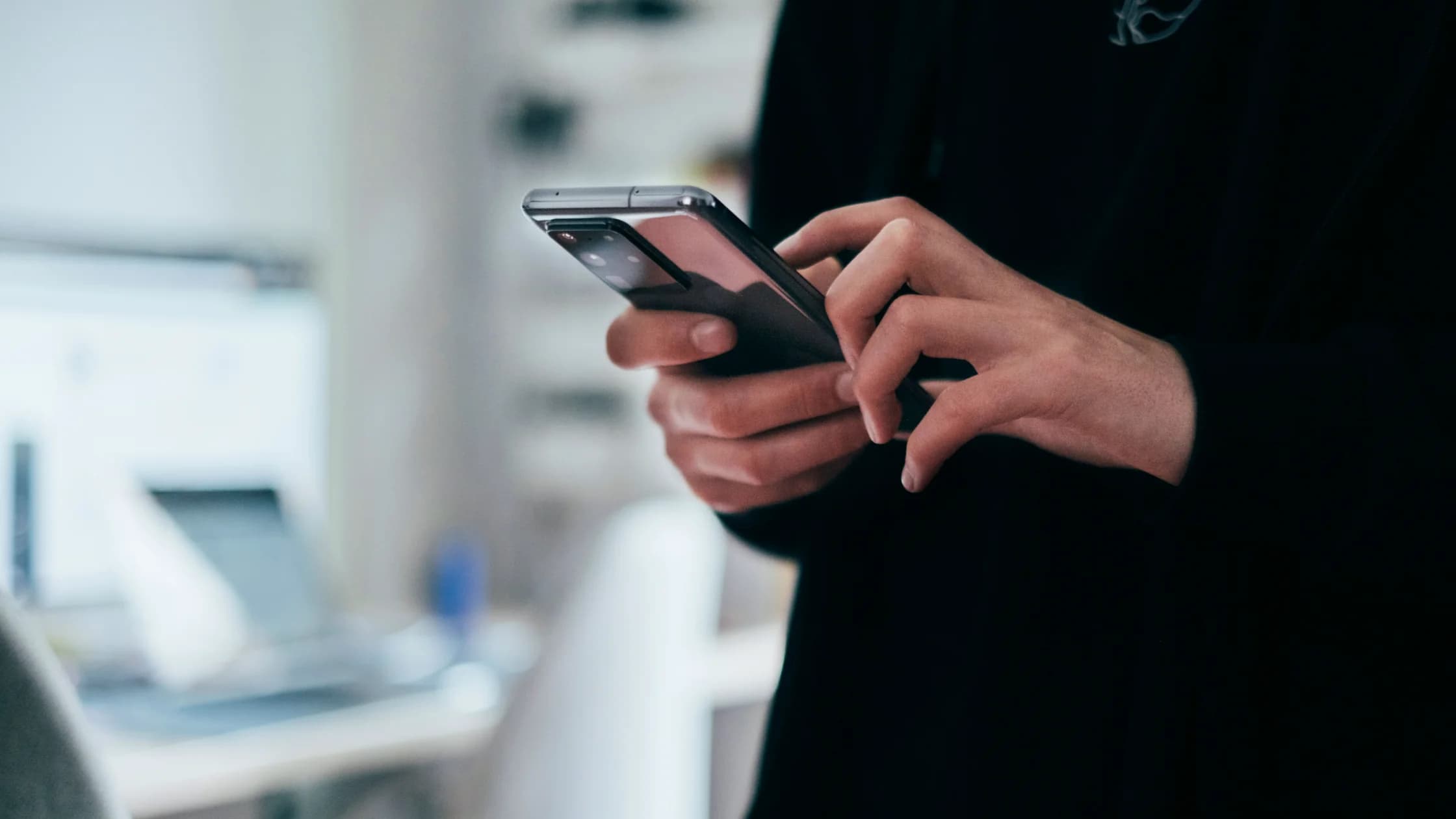

If you are asking what is smishing, the short answer is: smishing is phishing carried out through text messages. The Federal Communications Commission, CISA, and the FTC describe these messages as attempts to use links, calls, replies, or impersonation to trick you into sharing account details, verification codes, card information, or installing malware.[1][2][3]
The difference between smishing and ordinary spam is not just how annoying it feels. Smishing has a clear theft goal. Some messages push you to a fake login page, some pressure you to pay, and some tell you to call a fake support number.
That is why smishing often works better than email phishing. Text messages are shorter, more urgent, and more like system alerts. Many people are also less cautious on their phones.
Use the online security guide as a baseline: it connects this risk to account, device, browser, and network hardening.
If scam calls or strange area codes are part of the same pattern, read Are Unknown Area Code Calls Scams? too.
Key Takeaways
- Smishing is text-message phishing, not just ordinary spam.[1][2][3]
- Common hooks include delivery problems, frozen accounts, toll fees, prizes, tax refunds, and bank verification.
- The dangerous action is usually tapping a link, calling a number, replying with sensitive data, or installing a file.
- If you fall for it, do more than delete the message: change passwords and check accounts and payment tools.
- Text scams work because they compress hesitation into "do this now."
Spam texts may be marketing, nuisance messages, or mass ads. Smishing is aimed more directly at your information, accounts, verification codes, or money.
In other words, it is phishing wearing a text-message costume.
The message asks you to update an address, pay a fee, or reschedule delivery through a link.
It claims your account had a suspicious login, pending transfer, or freeze that needs immediate verification.
Examples include road tolls, taxes, fines, benefits, or document renewals.
"Claim now" urgency pushes you into a fake page.
The common thread is speed: the message wants action before verification.
The more of these signals you see, the higher the risk:
If you already tapped a similar link, go straight to What to Do If You Clicked a Phishing Link.
If the message pretends to be an account alert or security check, Latest Phishing Attack Tactics in 2026: How to Spot and Avoid Them will help you connect smishing to the wider phishing playbook.
Your phone is where you handle messages fastest. When a notification arrives, the first reaction is often to open it.
Texts are also short and low-context, so they can feel like system reminders. CISA and the FTC repeatedly emphasize this social-engineering pressure in consumer guidance.[2][3]
Do not confirm that your number is active, and do not use the route the message gives you.
If you are worried about an account issue, manually open the official app, website, or the phone number on the back of your card.
Phone systems and carriers usually offer spam filtering or reporting. Android users can also follow How to Stop Spam Texts on Android (2026).
If phone harassment is part of the same pattern, do not ignore How to Stop Spam Calls (2026).
Check whether you:
Deleting the message is not enough. The downstream impact matters more.
Start with accounts related to the service named in the text.
If payment data, card numbers, or verification codes were involved, move quickly.
If you installed an unknown app or profile, or verification codes seem to be read unexpectedly, treat it as more than a mistap.
Keep screenshots, numbers, links, payment records, and a timeline.
Many people are careful with suspicious email but still trust "official" text alerts. For attackers, SMS is just a more immediate wrapper.
The thing to trust is not the message format. It is whether you can leave the provided route and verify through the official channel yourself.
For a full path through phishing, scam texts, account protection, and recovery, use The Complete Online Security Guide as your hub.
For real scam scenarios, read How to Spot Coinbase Scam Emails (2026) and What Is the Geek Squad Scam? (2026).
Smishing is a type of phishing that uses text messages as the delivery channel.[1][2]
No. Sender names, formatting, and links can all be faked.
Check whether the page redirected, downloaded anything, or changed device behavior, then monitor your accounts.
It may help with legitimate marketing texts, but it can be unsafe with scam texts unless you verify the source first.
No. It can target accounts, verification codes, device permissions, or malware installation.[2][3]
Manually open the official app or website, or call a number you found independently.
Disclaimer
This article is for general cybersecurity education only. It is not a promise of fraud recovery, account recovery success, or legal advice. Reporting channels and response processes vary by country, region, and institution.
AethoVPN publishes “What Is Smishing It Is Not Just Spam Texts”; a VPN cannot replace its checks.
Sources
Sources checked 8 May 2026.
Related Articles:
Sign up to experience all premium features at no cost.
*Available only to new users. Each user is limited to one trial.