Start your 3-day free trial
Sign up to experience all premium features at no cost.
*Available only to new users. Each user is limited to one trial.
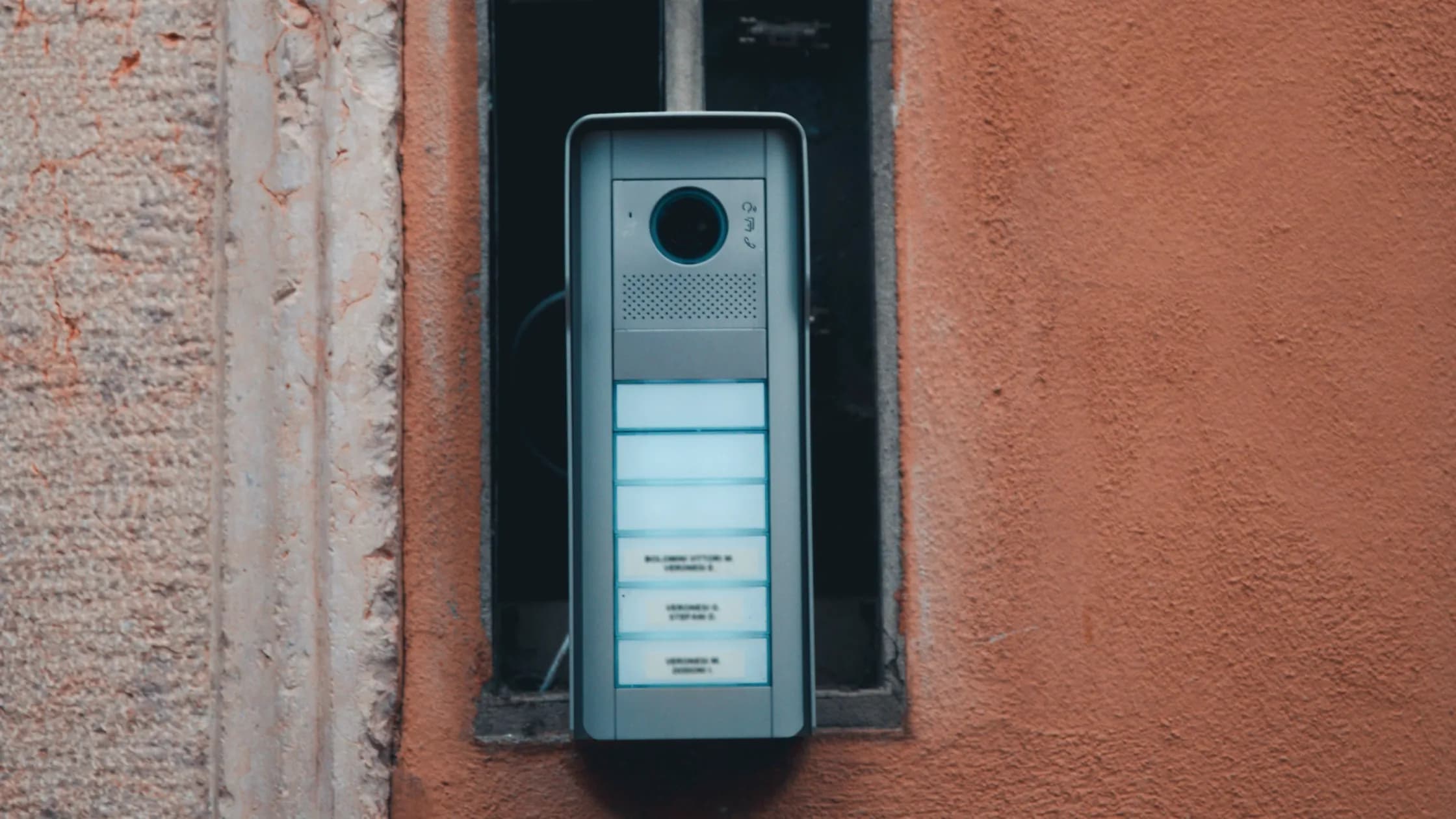

Short answer: can Ring cameras be hacked? Yes. Like other connected doorbells, indoor cameras, and baby monitors, they can be exposed if your account, network, or device settings leave a gap.[1][2]
That does not mean every smart doorbell is automatically a high-risk device. A better way to think about it is: the biggest factor is usually not the brand name, but whether you tightened account security, Wi-Fi, and shared access.[1][3]
Use the digital privacy guide as the wider checklist: it connects this issue to accounts, devices, identifiers, and data-broker exposure.
Many intrusions do not start with the camera hardware. They start with the account. If your Ring password is weak or reused across email, shopping sites, or forums, credential stuffing becomes more likely.[1][3]
Doorbell cameras depend on your home network. The FTC’s advice for securing home security cameras highlights router passwords, encryption, and firmware updates as direct factors in camera safety.[1]
If your router still uses a default password, old firmware, or one flat network for every device, a compromise on the main network can expose the camera too.
Sharing camera access with a partner, roommate, or caregiver can be reasonable. The problem is that accounts often keep old access after relationships change, devices are sold, or phones are replaced. That leftover access can become a risk.
This table is a better way to decide how seriously to treat the issue.
| Risk | What could happen | Why it matters |
|---|---|---|
| Unauthorized viewing | Someone sees live video or old clips | Exposes address, routines, and family members |
| Audio harassment | A stranger speaks through two-way audio | Creates fear, confusion, or harassment |
| Changed settings | Alerts, recording rules, or shared accounts are modified | You may think the camera is working when monitoring is weakened |
| Household information exposure | Door numbers, plates, delivery labels, and routines are visible | Online access can create offline privacy risk |
| Home network foothold | Weak devices interact with other weak devices | The problem can spread beyond one doorbell |
Unknown devices, locations, or sessions in the app, email, or account dashboard are direct warning signs. Treat them as a possible intrusion before assuming they are false positives.
Examples include:
If battery life suddenly drops or your router shows unusual uploads, investigate. It does not prove hacking, but it is worth checking.
If your email, shopping accounts, cloud storage, or router admin page also show suspicious activity, do not treat the Ring account in isolation. The shared cause may be a reused password, an infected device, or a network issue.
If your email and Ring account used the same password, secure email first because email is usually the reset key for other accounts.[3]
The FTC’s smart camera advice is clear: use a strong router password, enable WPA2 or WPA3, and keep devices updated.[1] If you suspect your network was touched, do this:
Not every issue is a stranger. Some are old permissions. Review shared users, household access, third-party integrations, and automation platforms. Disconnect anything you do not need.
If you may contact the platform, bank, or law enforcement, save login alerts, a timeline, screenshots, and records of setting changes. This step is easy to skip, but it helps later.
Do not reuse your email, shopping, or social password. A password manager is more reliable than memorizing a simple password.
This is one of the cheapest, highest-impact steps. Even if a password leaks, direct login becomes harder.[3]
This is a baseline, not an optional upgrade.[1]
The FTC lists updates as a key smart camera safety step.[1] Many known vulnerabilities are not mysterious. The danger is leaving devices unpatched.
This is one of the most useful additions beyond the headline question. If a computer, TV box, or cheap IoT device has a problem first, separating cameras can reduce lateral spread.
Any “temporary” access that stays around long enough becomes a liability.
Do not wait until someone speaks through the doorbell before checking the account dashboard.
Not necessarily.
If your rule is “anything hackable should not be used,” almost every connected camera fails that test. The more realistic question is: are you willing to maintain the security settings over time?
Use this as a guide:
| Situation | Recommendation |
|---|---|
| You are worried but see no suspicious activity | Complete the 7 hardening steps, then monitor |
| You recently saw unknown logins or setting changes | Treat it as an intrusion first, then decide whether to keep using it |
| Your home network is chaotic, passwords are shared, and permissions are hard to manage | Pausing use may be safer than forcing it |
| You cannot accept any connected camera inside your home | Choose local-storage or offline-first options |
Yes. FTC guidance on smart cameras clearly says connected cameras can be hacked.[1]
Usually weak passwords, reused passwords, missing two-step verification, poor router settings, or old permissions that were never removed.[1][3]
No. Brand defaults matter, but your account, network, and permission management still decide the real risk.
Not always, but treat it as high risk. Check login history, shared access, notification settings, and your network.
If you have many connected devices at home, it is worthwhile. It does not remove every risk, but it can reduce the chance that one compromised device affects the whole home.[1]
A VPN does not replace account security, firmware updates, or Wi-Fi hardening. It is more useful for protecting the connection when you access devices from untrusted networks, not as the core defense for a doorbell.
Disclaimer
This article is for general digital safety education only. It is not a product guarantee, legal advice, or law enforcement guidance. Features, interfaces, and security options may vary by model and software version.
AethoVPN publishes this guide, but a VPN connection cannot resolve the issue discussed here: can Ring cameras be hacked.
Sources
Sources checked 8 May 2026.
Related Articles:
Sign up to experience all premium features at no cost.
*Available only to new users. Each user is limited to one trial.