Start your 3-day free trial
Sign up to experience all premium features at no cost.
*Available only to new users. Each user is limited to one trial.
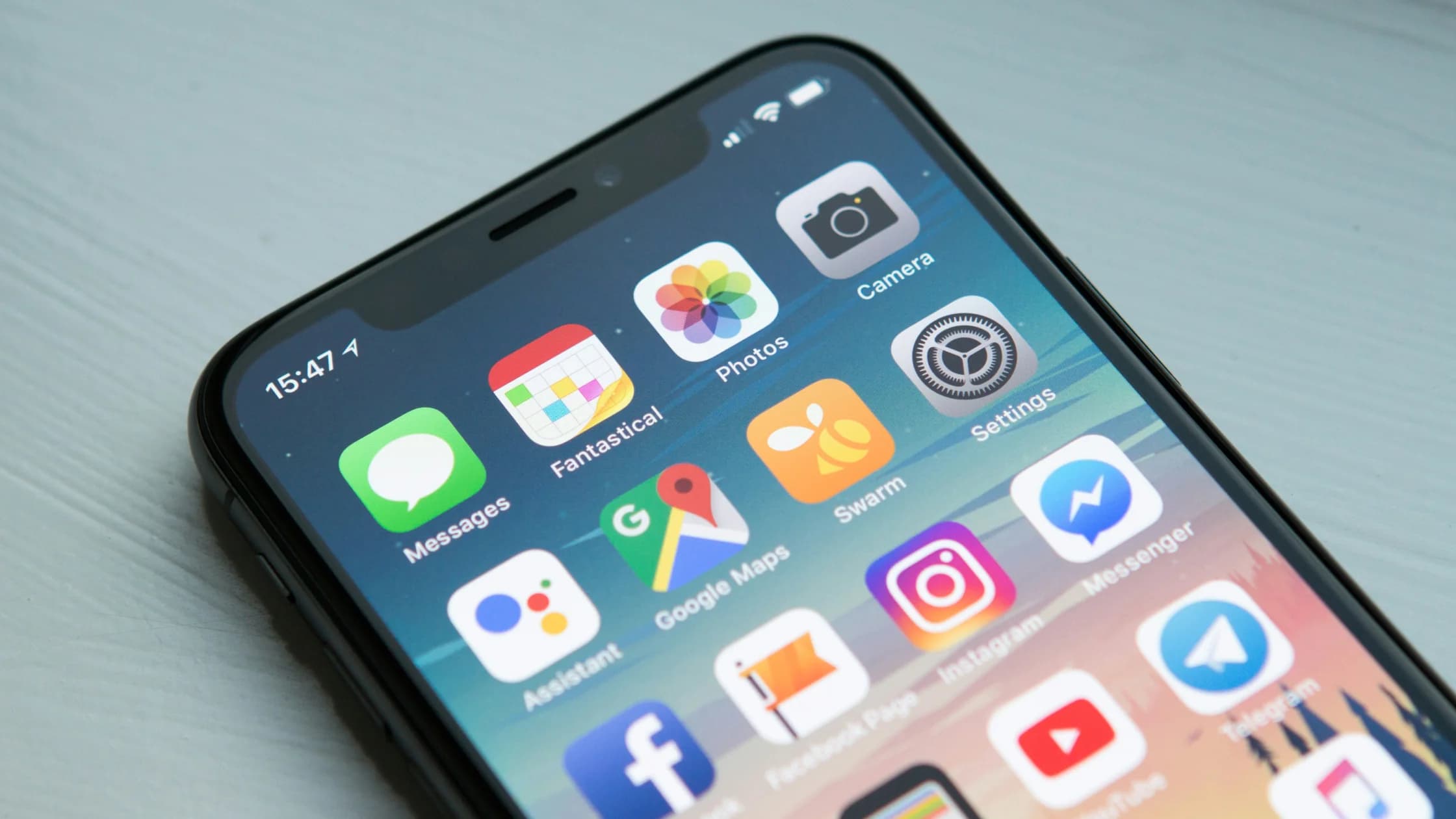

If your iPhone shows a data leak warning, do not assume the phone itself has been hacked. In most cases, Apple is warning you that a password saved in Passwords appears in a known data breach database. Apple's password security documentation explains that these alerts can point to weak, reused, or compromised passwords.[1][2]
Use the digital privacy guide as the wider checklist: it connects this issue to accounts, devices, identifiers, and data-broker exposure.
So this is better understood as an account credential risk warning, not a device compromise notice. The right response is not to wipe your phone in panic. First identify which accounts are affected, then fix them in the right order.
For a broader phone privacy checklist, read iPhone privacy settings: change these 10 high-value options first (2026). If you store most of your logins on your iPhone, also read How to protect your email: 7 settings that matter more than changing addresses, because email is usually the center of account recovery.
Key Takeaways
- An iPhone
data leakwarning usually means a saved password appears in known leaked data, not that the phone itself was hacked.[1][2]- Prioritize email, Apple Account, payment, and social accounts because they can unlock other services.
- Apple lets you review security recommendations in Passwords and go to the relevant site or app to change the password.[1]
- Do not just add a number to the old password. Use a unique strong password and enable two-factor authentication where possible.[1][3]
- If the same password was reused elsewhere, changing one account is not enough.
Apple's Passwords security recommendations can flag three common high-risk cases:
In other words, data leak means your account credentials may be exposed. It does not mean someone is actively listening to your phone. If you also see unusual login alerts, verification-code floods, or unfamiliar device sign-ins, treat the issue as possible account takeover risk.
Apple's path is roughly:
Passwords, or go to Settings > Apps > Passwords;Security or security recommendations;When you open a specific account, you can usually see the risk type and a shortcut to change the password on the related website or app.
Email is the hub for most account recovery flows. If your email password is also leaked, an attacker may be able to reset other accounts.
Apple also recommends starting password changes from the security recommendations screen.[1] For most people, email, Apple Account, and primary payment accounts should always come first.
If you are unsure whether the phone has other abnormal signs, compare How to check your iPhone for viruses: 7 practical checks (2026) so you do not mix up account leakage with device symptoms.
These accounts can cause more direct damage if taken over:
For a wider account-safety framework, also read How to protect your email: 7 settings that matter more than changing addresses and What is the safest way to pay online? Compare these 7 options first (2026).
Apple's password recommendations specifically call out reused passwords. After one website leaks, attackers often try the same password on other services.[2]
If one account is marked as compromised, do not change only that one. Any account using the same password should be updated too.
The least useful changes are usually:
password123 to password1234;Apple supports generating strong passwords and saving them in Passwords.[1] The safer rule is simple: every important account gets its own password.
Apple also notes that when a site supports passkeys or Sign in with Apple, you can move to those safer sign-in methods.[1] At minimum, enable two-factor authentication so a leaked old password is not enough to sign in.
Changing passwords is not the end of the incident. Over the next few days, watch for:
If you are worried the issue goes beyond passwords, read How to tell if your phone has been hacked: 8 common signs and response order.
For the privacy boundary of who may still see your activity after account exposure, read Who can see your search history? Do not focus only on private browsing.
Treat the situation as more urgent if:
At that point, the leak may already be moving toward account takeover, so speed matters.
Usually no. It more often means an account password may appear in known leaked data.[1][2]
Not if you used that password on other websites. Reused passwords need to be changed together.[2]
Apple provides security recommendations for saved passwords and can warn about weak, reused, and compromised passwords.[1][2]
Check two-factor authentication, unusual logins, recovery email, and signed-in devices.
If you no longer use the service, you can remove the related login from Passwords.[1]
Act quickly, especially for email, payment, and main social accounts. The longer a reused leaked password stays active, the easier credential stuffing becomes.
Disclaimer
This article is for general digital safety education only and does not constitute official Apple technical support, an account recovery guarantee, or legal advice. Menu names may vary by iOS version.
The AethoVPN editorial team covers data leak on iPhone here; a VPN is not a substitute for the relevant checks.
Sources
Sources checked 8 May 2026.
Related Articles:
Sign up to experience all premium features at no cost.
*Available only to new users. Each user is limited to one trial.