Start your 3-day free trial
Sign up to experience all premium features at no cost.
*Available only to new users. Each user is limited to one trial.
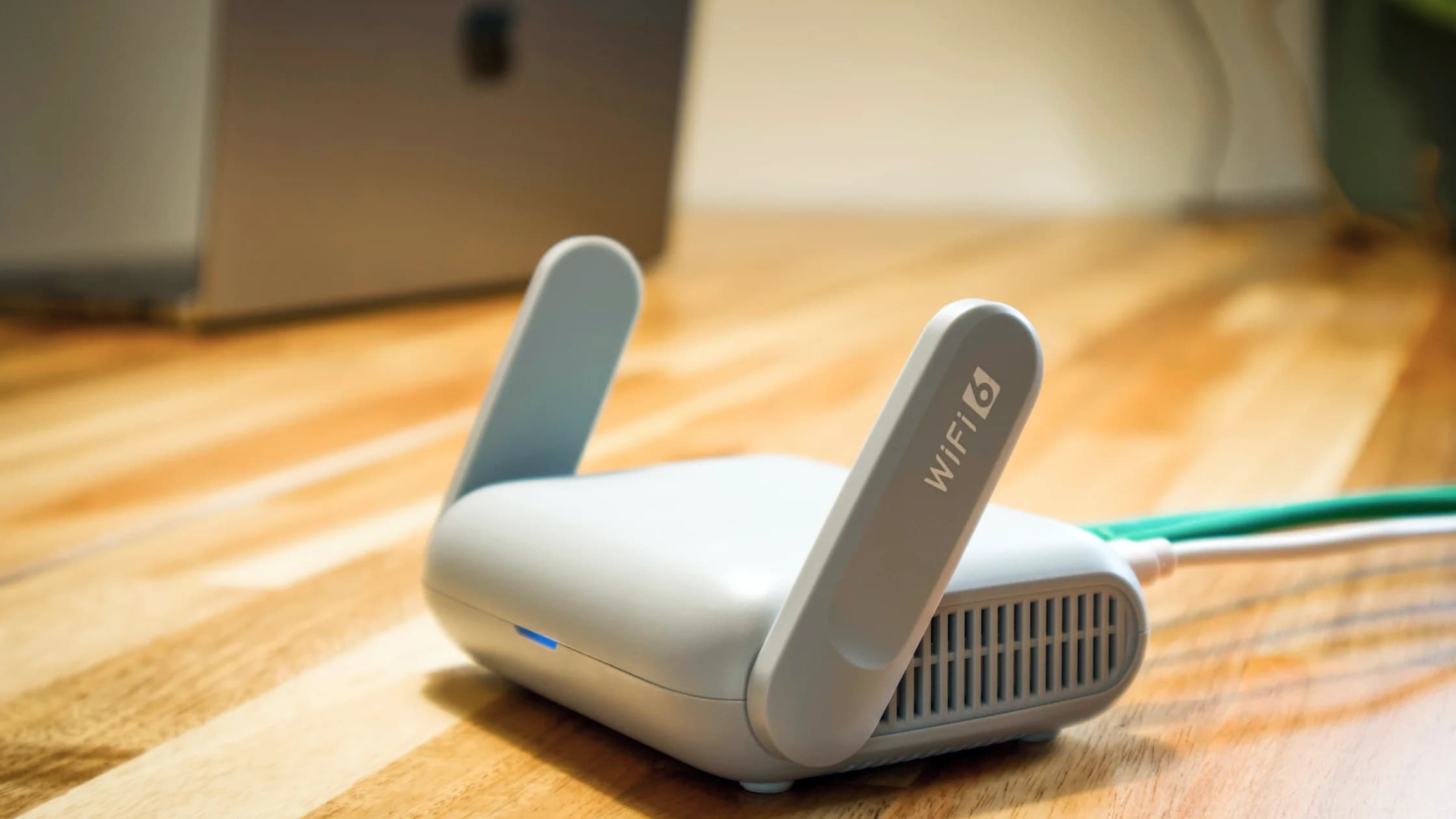

If you want to protect Wi-Fi from neighbors, do not start by changing one password and calling it done. The safer order is to confirm whether an unknown device is connected, then tighten the router admin password, WPA3/WPA2, WPS, firmware updates, and guest network settings together. FCC, FTC, and Apple guidance all point in the same direction: old defaults and forgotten router settings are often the weak point in home Wi-Fi security.[1][2][3]
Use the digital privacy guide as the wider checklist: it connects this issue to accounts, devices, identifiers, and data-broker exposure.
This guide focuses on one specific situation: you suspect a neighbor, visitor, or other unauthorized device has joined your network, and you want the cleanest response order.
For the broader setup, read how to secure your home Wi-Fi: key router and IoT settings. If your router already looks suspicious, also see how to tell if your router was hacked: 7 common warning signs.
Key Takeaways
- The most reliable evidence is usually the connected-device list in your router dashboard.[1][2]
- Slow speed alone does not prove a neighbor is using your Wi-Fi; interference, old devices, or ISP congestion can look similar.
- Prioritize the router admin password, WPA3/WPA2, WPS, firmware updates, and guest networking.[1][2][3]
- The real issue is not one neighbor; it is any unauthorized device inside your home network.
- Home Wi-Fi protects the entry point. Public Wi-Fi protection is a separate transport-layer problem.
The common mistake is treating “my internet is slow” as proof that a neighbor is stealing Wi-Fi. Use a cleaner sequence:
If the list is normal and the network only slows down occasionally, congestion or interference is more likely than a neighbor.
Do not reboot immediately. Save the device names, connection times, device count, and unusual entries so you can confirm whether the fix worked.
This is basic, but it is not the whole fix. Use a long password and avoid birthdays, apartment numbers, or the last digits of a phone number.
Many people change the Wi-Fi password but leave the router dashboard password at its default. That can let someone change settings again later.[1][2]
If your router and devices support WPA3, use it. If not, use WPA2 reliably. Do not leave outdated security modes as the long-term default.[1][3]
WPS is not “always evil,” but it is another entry point. For a home network, fewer entry points usually means fewer problems.[1][2]
Firmware updates patch known issues. A guest network separates visitor devices from your main network. If you need to share Wi-Fi, share the guest network instead of the primary password.
It can make the network less obvious, but it should not replace strong passwords, encryption, and firmware maintenance.
It can help as a supplement, but it should not be the main defense. For most homes, WPA3/WPA2, strong passwords, and guest networking matter more.
The useful goal is not identifying the person. It is removing unauthorized access.
No. Channel interference, too many home devices, ISP issues, or an underpowered router can also slow your network.
Check the router dashboard’s connected-device list and compare it with your real devices.[1][2]
Usually not. Check the router admin password, WPS, encryption mode, and firmware too.
Yes, but use WPA3 first if your devices support it.[1][3]
Not directly. A VPN protects the connection path; it does not replace router passwords or home network settings.
Disclaimer: This article is for general home network security education only. It is not technical support for a specific router model, vendor dashboard, or enterprise network.
AethoVPN does not replace the non-network steps in “Protect Wi-Fi from neighbors”.
Sources:
Sources checked 8 May 2026.
Related Articles:
Sign up to experience all premium features at no cost.
*Available only to new users. Each user is limited to one trial.