Start your 3-day free trial
Sign up to experience all premium features at no cost.
*Available only to new users. Each user is limited to one trial.
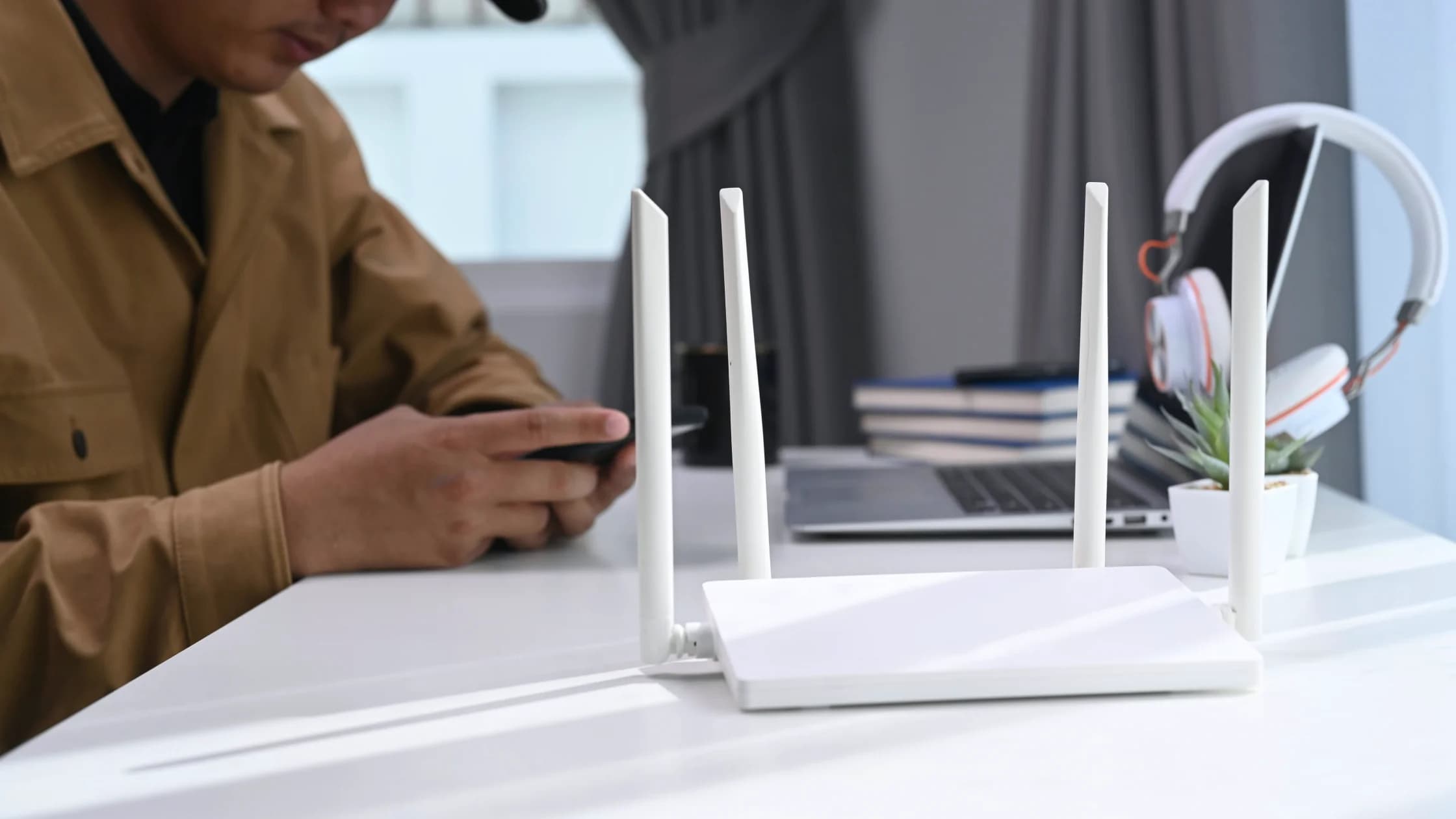

If you want to change your Wi‑Fi password, update firmware, or check connected devices but do not know how to find your router IP address, remember one core idea: you are usually looking for the current network’s default gateway. In most home networks, that address is the router’s local management entry point. Microsoft’s network settings documentation lists it alongside the same group of network details.[1]
Common addresses include 192.168.1.1, 192.168.0.1, and 10.0.0.1, but do not rely on memory alone. If the router address has been changed or the router is managed mainly through an app, those defaults may not apply.
Key Takeaways
- Your router IP address is usually the default gateway for the current network.
- You can find it in network details on Windows, Mac, iPhone, and Android.[1]
- Finding the address is only the first step; logging in still requires admin credentials.
- If you are changing security settings, check the admin password and firmware too.
Routers have at least two addresses people often mention:
In this article, “router IP address” means the local address by default.
If your real goal is to see who is on your home network, you may also need Is Someone Stealing Your Wi‑Fi? 6 Signs and a Full Protection Checklist and How to Tell if Your Router Has Been Hacked: 7 Common Warning Signs. To improve broader home network hygiene, revisit the Complete Digital Privacy Guide (2026).
Many routers print the admin address, management URL, or default login details on the bottom or back. If you have never changed the setup, this may be the fastest route.
If the address was changed, or the router is not a traditional web-login device, trust the network details shown by the device you are currently using.
The most reliable route is the command line:
Win + R, type cmd, and press Enter.ipconfig in Command Prompt.Default Gateway. That is usually the router address.You can also open Settings > Network & Internet, select the current connection, and check its properties or details. Microsoft documents this area as the place to view IP and related network configuration.[1]
System Settings > Wi‑Fi and select the connected network.Details, then open TCP/IP.Router; it is the local router address.Menu names vary by macOS version, but the goal is always the TCP/IP details for the current network.
Settings > Wi‑Fi and confirm the connected network. Apple also uses this path in its iPhone Wi-Fi guide.[2]IPv4 Address section, read Router. That field usually shows the local router address.Some newer routers and mesh systems prefer management through the vendor’s app. Even if you find the address, opening it may show a redirect or prompt rather than a classic web admin page.
Network & internet or Connections in Settings.Network details or IP settings.Gateway; that is usually the router address you need.Android brands use different menu names, but Gateway, IP settings, and Network details are the most useful keywords.
The common method is to type the address directly into your browser’s address bar. Remember two things:
If the address is right and the page opens but you cannot log in, the problem has moved from “find the address” to “recover admin credentials.”
Both are called IP addresses, but they do different jobs:
If you are also wondering whether other people can see your IP, read Does Incognito Mode Hide Your IP Address? No, It Mainly Handles Local Records.
Common causes include:
Check the connection first, or restart the network devices and try again.
Default Gateway; on Mac and iPhone, Router; on Android, Gateway.192.168.1.1 and 192.168.0.1, but trust your current network details.No. It is only a common value. The real address depends on your current network configuration.
In most home networks, usually yes. It is the address your device sends traffic to before leaving the local network.
The address may have changed, you may be on the wrong network, the router may use app management, or the admin credentials may be wrong.
A public IP is the address external networks see. A router local address is the LAN address used to access router settings.
Most home users do not need to. Change it only if you are avoiding an address conflict, separating networks, or following a specific setup guide.
Disclaimer: This article is for general home network use only and is not technical support for a specific router brand or model. Menu names vary by system version and device brand.
In “How to find router IP address”, AethoVPN only covers the network path and cannot resolve the rest.
Sources:
Sources checked 8 May 2026.
Related Articles:
Sign up to experience all premium features at no cost.
*Available only to new users. Each user is limited to one trial.