Start your 3-day free trial
Sign up to experience all premium features at no cost.
*Available only to new users. Each user is limited to one trial.
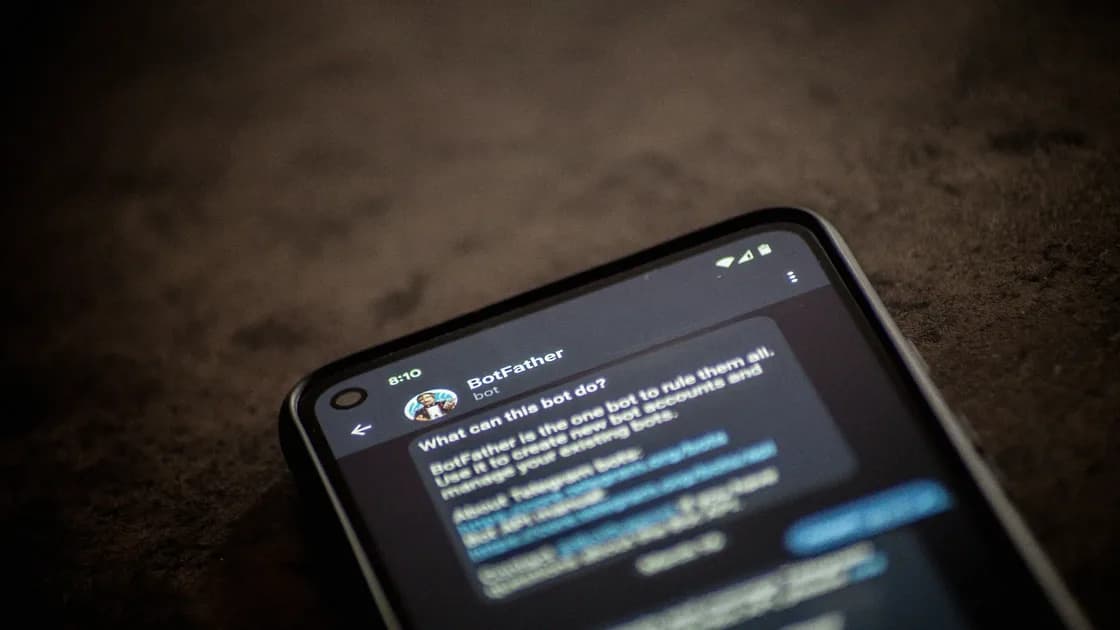

Here is the short version: Telegram scams are not usually built around one magical new trick. Scammers like Telegram because it feels anonymous, groups spread fast, and a message can feel as natural as a chat from someone you know. The person you need to watch for is often not a technical hacker. It is someone posing as a recruiter, support agent, airdrop organizer, romantic interest, investment coach, or friend.[1][2][3]
The harder part is that many Telegram scams do not steal everything at once. They get you to trust a little, invest a little, click once, and then slowly take your account, verification codes, wallet permissions, or money.
Use the digital privacy guide as the wider checklist: it connects this issue to accounts, devices, identifiers, and data-broker exposure.
Key Takeaways
- Telegram scams are common not because Telegram itself is malware, but because scammers can use it for cheap, large-scale outreach.[1][2]
- Common high-risk themes include fake jobs, phishing logins, fake support, fake airdrops, romance scams, and investment groups.[1][3][4]
- If someone pushes you to transfer money, connect a wallet, share a code, or click a "security verification" link, raise the risk level immediately.[2][3]
- A busy Telegram group is not proof of legitimacy. Many comments, screenshots, and testimonials are staged.[1][4]
- The best defense is not memorizing every scam. It is using a clear order: verify identity, avoid links, do not pay first, and never hand over account control.[2][3]
The reasons are practical:
Telegram is not the root cause of the scam, but it is a very useful amplifier for scammers.
The FTC has specifically warned about "easy money" tasks sent through WhatsApp, Telegram, or text message. Common scripts include liking posts, doing fake orders, optimizing data, voting, or boosting products. Then the scammer asks you to pay upfront or use cryptocurrency to "unlock" earnings.[1]
Scammers build pages that look like Telegram logins, exchange logins, or wallet verification pages. Once you enter your username, password, or code, the account may be taken over.[2][3]
If you already clicked one, read What to do if you clicked a phishing link.
For a broader look at phishing entry points, compare it with New phishing attack methods in 2026: how to recognize and avoid them.
These accounts often say your account is abnormal, your wallet is at risk, or your identity must be verified. Then they send a supposed support link. The real goal is usually your verification code, recovery code, or remote access.
This is especially common in crypto spaces. The offer may be free tokens, whitelist access, cashback, or a doubled airdrop. The catch is that you must connect a wallet, approve a contract, or pay a "fee" first.[4]
The group may be full of screenshots showing how much everyone made today, creating the feeling that the whole room is winning. After you deposit real money, the platform often blocks withdrawals or the "coach" disappears.[4]
These scams usually do not start by asking for money. They first build emotional dependence. The FTC warns that romance scammers often ask for money after the relationship warms up, using reasons such as travel, medical bills, visas, investments, or short-term emergencies.[5]
If the conversation later shifts toward investing or wallet permissions, it overlaps with scams such as AI voice scams: 5 warning signs and the best ways to verify them (2026), where trust comes first and the payment request follows.
After taking over one account, scammers often use it to target the next person in the contact list. You may see a "friend" urgently asking for money, a verification code, or help receiving funds.
The script is usually: "You won. We just need your details or a shipping fee." Once you provide your name, address, card details, or a small payment, it can become identity theft or recurring charges.[3]
Telegram supports file sharing, which makes it easy to send malware disguised as a PDF, installer, trading tool, or cracked app. Once installed, the risk can grow beyond chat exposure to device permissions and account credentials.[2][6]
If you already ran a suspicious installer, your next steps are closer to How to get rid of viruses on your devices.
Scammers often use "security verification," "appeal recovery," or "help me receive a code" to get your SMS code or two-step verification details. Once that works, your account becomes the next launchpad for the scam.[2]
These five signals usually tell you enough:
Do not reply, click more links, or send more money.
If you shared login details, this is urgent.
Look for unfamiliar sessions, devices, or security settings you did not enable.
If you connected a wallet or approved permissions, revoke the approvals as soon as possible and check for abnormal asset transfers.
If your account may have been taken over, tell people not to trust requests for money, codes, or investments from your account.
If your main concern is your account and personal data being taken piece by piece, also read How to remove personal information from the internet (2026).
The risk is usually high. The FTC has specifically warned that many "task earning" or remote job offers sent through Telegram are scams.[1]
Do not trust it automatically. Verify support through a website or in-app channel you found yourself, not just an avatar or username.
Crypto transfers are fast and hard to reverse, and Telegram is active in many crypto communities. Scammers like that combination.[4]
Reading alone is lower risk. The risk rises if you clicked a link, downloaded a file, or entered login details.[2][6]
It is not only your chat history. Scammers can also use your identity to target your contacts.
No. A VPN cannot stop the scam itself. Your verification habits, account security settings, and link-clicking behavior matter more.
Disclaimer
This article is for general digital safety education only and does not constitute investment, legal, or recovery advice for a specific case. Processes differ by platform, wallet, and jurisdiction.
As the publisher, AethoVPN notes that Telegram scams remains outside what a VPN can fix.
Sources
Sources checked 8 May 2026.
Related Articles:
Sign up to experience all premium features at no cost.
*Available only to new users. Each user is limited to one trial.