Start your 3-day free trial
Sign up to experience all premium features at no cost.
*Available only to new users. Each user is limited to one trial.
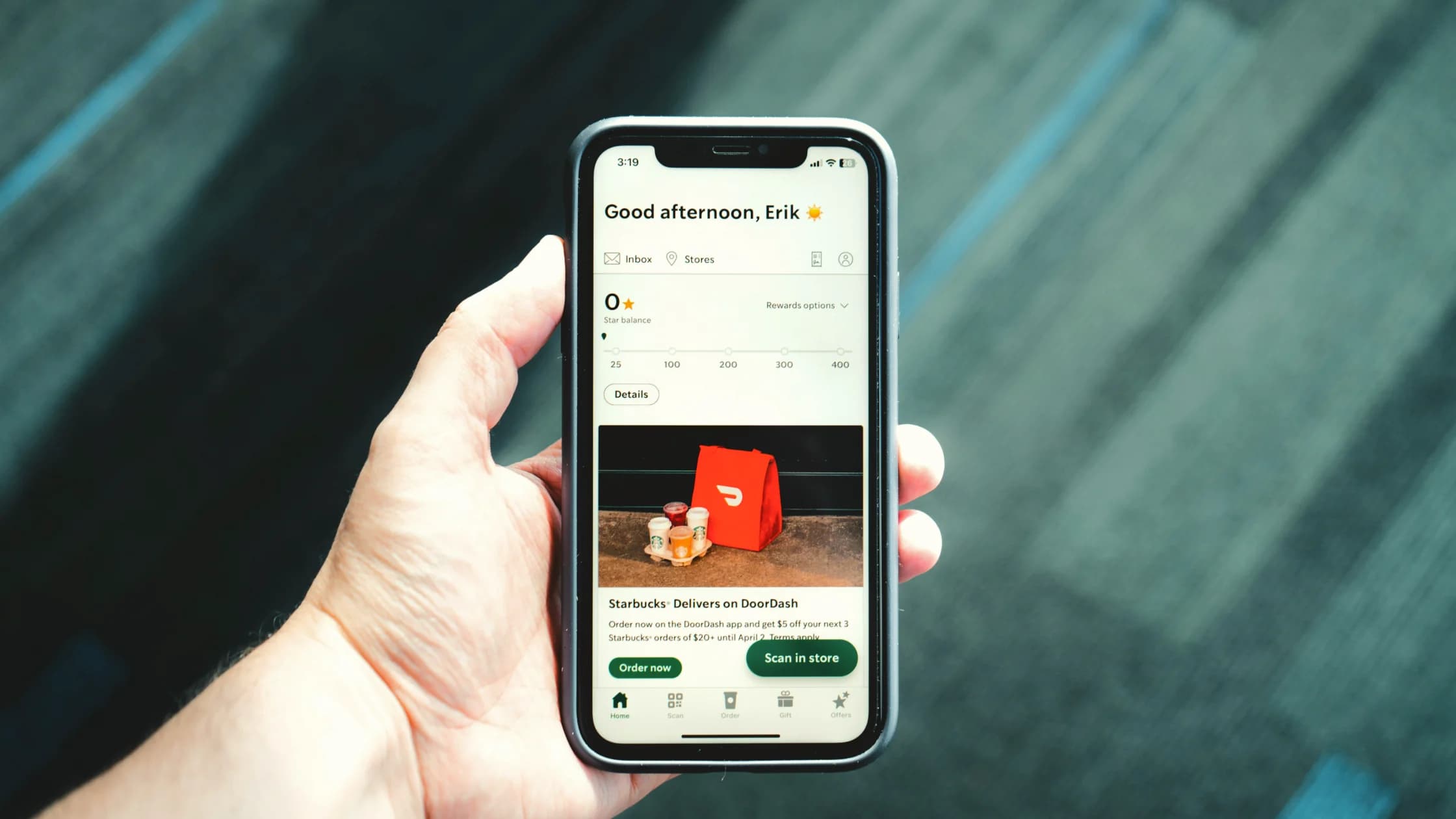

What is targeted advertising? In simple terms, it is a system that uses your browsing behavior, search interests, device identifiers, location clues, and past interactions to decide which ads you see. The FTC, ICO, and Google all acknowledge that personalized advertising relies on many user signals; they simply explain it from consumer protection, regulatory, and platform-setting perspectives.[1][2][3]
The issue is not whether ads appear. It is this: to make ads feel tailored to you, platforms and data-broker ecosystems often need to build a detailed profile first.
If you have ever felt that you talked about or searched for something and then immediately saw an ad for it, this article explains the machinery behind that feeling.
Use the digital privacy guide as the wider checklist: it connects this issue to accounts, devices, identifiers, and data-broker exposure.
Key Takeaways
- Targeted advertising does not rely on one cookie. It uses a bundle of behavior and device signals.[1][2][3]
- When an ad feels like it knows you, the platform can often connect your interests, device, and some identity clues.
- The risk is not only annoyance. It includes excessive profiling, cross-site tracking, sensitive-interest inference, and data leakage.
- Turning off personalized ads helps, but it does not mean nobody collects data about you online.
- The effective approach is to manage browsers, app permissions, ad IDs, and account-level settings together.
Platforms commonly combine signals such as:
The system then turns those clues into audience labels, such as:
This does not always display your real name. But with enough labels, the profile can get very close to knowing who you are.
| Type | Main basis | What you see |
|---|---|---|
| Regular ads | Page content or fixed placement | Mostly the same for everyone |
| Targeted ads | Browsing behavior, interest labels, device identifiers | Different people see different ads |
| Retargeting ads | A product or page you previously viewed | Ads that follow you after one visit |
So if you viewed running shoes on one site and then saw similar products in another app, it was probably not a coincidence.
Often, it is not actual listening. More commonly:
That is why an ad can feel like it appeared right after a thought, when it is really the result of long-running tracking. To unpack that tracking chain, read who is tracking you online?.
Browser cookies are still common, but they are not the whole story. Many platforms also combine local storage, pixels, SDKs, and logged-in state.
Mobile ad identifiers, device model, system version, language, time zone, and similar details can all contribute to profiling.[2][3]
If you grant precise location or overly broad location access, ad-related inferences can become much more specific.
When you use the same email address or phone number across services, platforms can more easily connect behavior that used to look separate. To reduce that linkability, read what is email masking?.
These layers matter more:
If you are also reviewing browser-side tracking, read cache vs cookies and what each one leaves behind.
The most effective move is not one switch. Use layers:
If you want to start with permissions, read what app permissions can expose.
For many people, the ad itself is not the painful part. What is easy to underestimate is that you may have already accepted:
Once you see it that way, "I am just browsing" no longer feels cost-free.
In most everyday contexts, yes. Both describe systems that use user signals to decide what content or ads to show.[2][3]
No. You will usually still see ads, but they may feel less closely tailored to you.
Usually not. Ad platforms may also use accounts, ad IDs, SDKs, and other device signals.
No, but a detailed enough profile can allow high-confidence inference without needing your legal name.
That is usually retargeting or cross-site ad delivery, not coincidence.
Start with personalized ad settings, tighten location and tracking permissions, and reduce use of the same identity everywhere.
Disclaimer
This article is general privacy education. Personalized ad settings and data-processing explanations may vary by platform, system version, and regulatory environment.
AethoVPN cannot perform the account, device, or offline checks in “What is targeted advertising”.
Sources
Sources checked 8 May 2026.
Related Articles:
Sign up to experience all premium features at no cost.
*Available only to new users. Each user is limited to one trial.