Start your 3-day free trial
Sign up to experience all premium features at no cost.
*Available only to new users. Each user is limited to one trial.
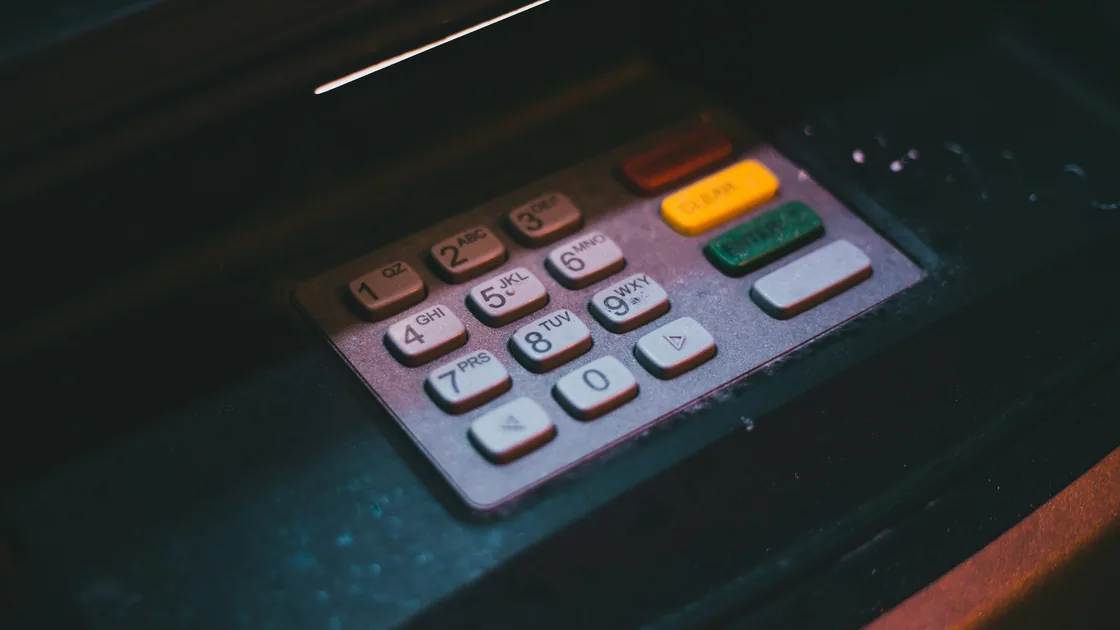

If an ATM kept your card abroad, stop using the machine, move only far enough to stay safe, and record the ATM, location, time, operator, and transaction result. Contact your card issuer immediately through its verified app, website, or saved international number and follow its instruction to lock, report, or replace the card. Then contact the ATM operator or staffed branch through an official channel. Treat recovery as uncertain: the operator controls the retained card, while the issuer controls the account, card status, transactions, and replacement options.
Key Takeaways:
- Do not pry open the ATM, re-enter a PIN, or accept help from a stranger.
- Contact the issuer immediately even when the ATM is inside a bank branch.
- A temporary lock is not always the same as formally reporting a card lost.
- The ATM operator may destroy the card or return it only under defined conditions.
- Build a replacement-payment plan instead of assuming the card will be recovered.
Add issuer contact details and backup payment to your international travel planning. Store the emergency number separately from the card and keep enough information to identify the account without carrying a photograph of the full card number and security code.
Remain alert to the surroundings. If the machine is in a bank lobby during staffed hours and the area feels safe, stay nearby while contacting official staff. If it is isolated, someone is pressuring you, or the area feels unsafe, move to a public, well-lit place and prioritize personal safety over the card.
Do not put tools, fingers, another card, or adhesive into the slot. Do not kick, shake, unplug, or cover the machine. Physical attempts can injure you, damage equipment, trigger an alarm, or make it harder to establish what happened. Do not follow a stranger's instruction to enter the PIN again or call a number printed on a loose sticker.
Wait only long enough to confirm that the ATM is no longer presenting the card and that the screen has returned to a safe state. Some machines return a card before cash; others keep it until the transaction ends. Do not begin another transaction merely to test the machine.
If the ATM dispensed cash, count it discreetly in a secure place. If it did not, do not assume the account was untouched. The issuer must confirm whether there is a decline, pending withdrawal, completed withdrawal, reversal, or no transaction.
Write down the physical address, bank or operator name, ATM identifier, branch name, date, local time, requested amount and currency, whether cash appeared, and any receipt or error message. Photograph the whole machine and its official identification only if safe and permitted. Do not photograph another person's screen or keypad.
Save the transaction notification and account status from the issuer's official app. Note whether an amount is pending or posted, but do not rely on a screenshot as the final classification. Network delays can make the display incomplete.
Record suspicious features only as evidence: a loose card slot, unusual overlay, added camera, false support sticker, or person directing your actions. Do not dismantle the ATM to investigate. If you suspect tampering, leave and tell the operator and issuer. The separate skimming-safety process covers prevention; the immediate problem here is a card no longer under your control.
Protect sensitive information in every contact. A legitimate representative may verify identity, but should not need your PIN, online-banking password, or one-time authentication code. Use only a number in the issuer's authenticated app, on its official website, in your saved travel record, or verified by staffed branch personnel.
Tell the issuer that an ATM physically retained the card in another country. Provide the time, place, operator, ATM identifier, card ending, requested amount, and whether cash was dispensed. Ask the representative to classify any related transaction and explain the safest card-state action.
Follow the issuer's direction to lock, freeze, report lost, cancel, or replace. These terms are not necessarily equivalent. An app lock may be reversible and may not cover every transaction type; formally reporting the card can be irreversible and start replacement. Ask what still works, including wallet tokens, recurring payments, cash withdrawal, card-not-present purchases, and emergency support.
The FTC advises promptly reporting a lost or stolen credit, ATM, or debit card and keeping a record of the report; its liability discussion is specific to United States law.[2] The universal practical lesson is rapid issuer contact. Your rights, deadlines, and reimbursement rules depend on the card, account, issuer, and applicable law.
Ask whether the issuer permits the ATM operator to return the physical card and what authorization or identification would be required. Do not let a local person impersonate you or accept the card on your behalf unless both organizations explicitly authorize that procedure.
Review recent and pending transactions while connected through a trusted channel. Report unrecognized activity using the issuer's fraud process. If the attempted withdrawal was debited without cash, ask for the issuer's cash-withdrawal investigation procedure and required evidence; keep that separate from the retained-card report.
Identify the ATM owner, which may differ from the logo or location owner. Use the bank's official site, app, branch desk, or a verified number on the permanent machine panel. Cross-check any sticker number against an independent official source, especially if the ATM looked altered.
Ask whether retained cards are collected locally, when authorized staff can inspect the machine, whether cards are destroyed, whether foreign-issued cards can ever be returned, and what original identification and issuer approval are required. Obtain the staff member's name or case number where policy allows.
Mastercard's security rules describe circumstances in which an acquirer can retain, destroy, or return a captured card, including identification and issuer-permission conditions.[1] Those rules do not guarantee that a particular ATM operator will retrieve or return your card. Local law, operator policy, staffing, machine servicing, card network, and issuer instruction all matter.
Never pay an unofficial “release fee,” give a PIN, or permit someone to take your phone for verification. Do not return alone to an unsafe location. If recovery is permitted, attend during staffed hours, bring the specified original identification, and confirm with the issuer whether using the returned card remains safe.
If the operator says the card will be destroyed, document that response and complete the issuer's replacement process. If it promises retrieval, set a reasonable personal cutoff based on your itinerary and security needs; do not leave the account unprotected while waiting.
Inventory what remains available: another physical card stored separately, a mobile wallet token the issuer confirms is active, cash, an account transfer to yourself, or support from a trusted companion. Confirm acceptance and account controls rather than assuming a digital wallet can replace every need.
Ask the issuer about emergency card replacement or emergency cash support, delivery destination, identity checks, fees, currencies, operating hours, and collection rules. Visa provides a lost-card support route and describes emergency replacement and cash assistance as services whose availability and delivery depend on the case.[3] Contact the issuer first or use the network's official support route.
Choose a secure delivery location where your name, identification, itinerary, and access hours match the courier or branch requirements. A hotel may receive a delivery only under its policy. Never send a card or PIN to an unverified person, and do not publish your itinerary while seeking help.
If a trusted person transfers funds, use a regulated service and independently verify recipient details. Avoid strangers offering cash in return for a card payment or account transfer. A stressful, time-limited situation is a common opportunity for secondary fraud.
Rework the itinerary if necessary. Transport to a staffed branch, accommodation access, food, medicine, and communication take priority over discretionary activities. Inform a travel insurer only through its official claims or assistance route and preserve receipts if the policy may cover replacement expenses.
Check the account for the attempted withdrawal, reversals, fees, and unrelated transactions. Notifications are useful but not complete evidence; review the posted statement. Report errors within the issuer's applicable process and deadline.
Maintain a concise incident log with ATM details, issuer case number, operator case number, card-state action, disputed withdrawal reference, police report if relevant, replacement arrangements, and final outcome. Store it securely because it can reveal travel location and financial identifiers.
If theft, tampering, coercion, or a fraudulent withdrawal is suspected, ask the issuer and ATM operator whether a local police report is appropriate. Use official local emergency or non-emergency channels. A police report can document events but does not itself restore the card or decide reimbursement.
Update any service that legitimately requires the replaced card details after the new card arrives. Start with urgent travel bookings and recurring services you recognize. Ignore unsolicited messages claiming that a retained card requires account verification through a link.
After the statement closes, verify that the old card is permanently unusable if it was reported lost, that the cash-withdrawal outcome is correct, and that replacement delivery charges are understood. Delete unneeded card photographs and securely dispose of paper containing sensitive information.
Possible reasons include an expired or blocked card, repeated incorrect PIN attempts, an issuer or network instruction, a machine fault, or failure to retrieve the card promptly. The operator and issuer must classify the actual event.
Only if the location is safe and official staff are immediately available. Do not remain in an isolated place or delay issuer contact because someone says the card may reappear.
Sometimes, but never assume it. Operator policy, servicing, identification, issuer permission, network rules, and local law determine whether return is possible. Many retained cards are destroyed.
Not always. A temporary lock may differ from a formal lost-card report and may not block every transaction type. Ask the issuer what the control covers and whether replacement is necessary.
Tell the issuer and ATM operator, save the receipt and machine details, and ask for the cash-withdrawal investigation process. This is related to, but distinct from, physical card recovery.
The issuer normally controls the account and replacement. A card network may provide emergency coordination or assistance, but eligibility, identity checks, location, timing, and fees vary.
Follow the issuer's instruction. If anyone observed or requested the PIN, say so immediately. Never change it through a link or number supplied by a stranger at the ATM.
When an ATM keeps a card abroad, treat the card as outside your control. Secure yourself, document the machine and transaction, contact the issuer immediately, and then use an official route to contact the operator. Protect the account while recovery is assessed, and arrange replacement payment without relying on the card's return. Monitor the statement and keep evidence until every transaction and replacement issue is closed.
Sources checked 4 October 2026.
This article provides general information, not financial, legal, banking, fraud, security, insurance, or travel advice. Card controls, retained-card handling, emergency services, investigation, liability, deadlines, fees, replacement, and recovery vary by issuer, operator, network, jurisdiction, account, and individual circumstances.
Sign up to experience all premium features at no cost.
*Available only to new users. Each user is limited to one trial.