Start your 3-day free trial
Sign up to experience all premium features at no cost.
*Available only to new users. Each user is limited to one trial.


To close or transfer utilities, list each account, choose the official process, and get confirmation. Keep access through final settlement.
Key Takeaways:
- Treat electricity, gas, water, heating, rubbish, building services, and internet as separate accounts.
- Confirm the contract holder, notice period, final date, reading method, and handover route for each service.
- Never open a sealed meter cabinet, touch wiring, operate an unfamiliar valve, or remove provider equipment yourself.
- Do not cancel automatic payment before the final bill and refund route are understood.
- Keep account confirmations after departure; a submitted request is not proof that an account closed.
Utilities are one part of preparing for life abroad; this guide is the reverse of setting up utilities after moving abroad. Home internet has separate equipment and contract issues covered by the home internet setup guide.
Start with the lease, building rules, bank statements, email receipts, and recent bills. List electricity, gas, water, wastewater, district or central heating, rubbish, shared-building services, bottled fuel, and any municipal charge linked to occupancy. Add internet only as a separate contract. A landlord may pay one item while you hold another account directly, and “utilities included” may cover only a fixed allowance.
For each account, mark whether the authorized route is closure, transfer to another address, or handover to a landlord or new occupant. Also record what written evidence will prove that your responsibility ended.
For every row record the legal account holder, service address, account and meter references, supplier or municipality, payment method, deposit or credit, minimum notice, contract end date, equipment, and official contact channel. Distinguish the billing supplier from a network operator, building manager, or metering agent.
Do not use an old sticker, search advertisement, message from a stranger, or invoice attachment as the only contact source. Verify the organization through a regulator, municipality, signed contract, or known official domain. Keep the digital account moving checklist beside this inventory so an old phone number or email is not removed before refund and dispute messages arrive.
Ask the provider what process applies. Closure ends your responsibility at the service address. Transfer moves the same customer relationship to another eligible address. Handover may record that a landlord, owner, building, or incoming occupant becomes responsible, but it should not mean casually sharing your login or changing the account name yourself.
Read the contract and local rules for notice, fixed-term charges, minimum service periods, deposit treatment, and proof of departure. Give the actual move-out or responsibility-end date; do not choose an earlier date merely because you will pack before then. Where utilities are controlled by the lease, obtain the landlord’s written instructions and compare them with the provider’s process.
The Utility Regulator in Northern Ireland advises customers moving out to notify the supplier and take a final meter reading on move-out day.[1] That is a useful process example, not a universal notice period or proof that every market permits transfer or supplier choice.
Never put an unrelated person’s name on your account without the provider’s authorized process. Do not give a new occupant your password, payment details, identity documents, security answers, or one-time codes.
Submit notice through the verified channel and save the reference, timestamp, requested final date, and promised next step. Ask whether the provider will read the meter, accept a customer reading, estimate usage, or coordinate with the landlord. If an appointment is required, confirm access and who is authorized to attend.
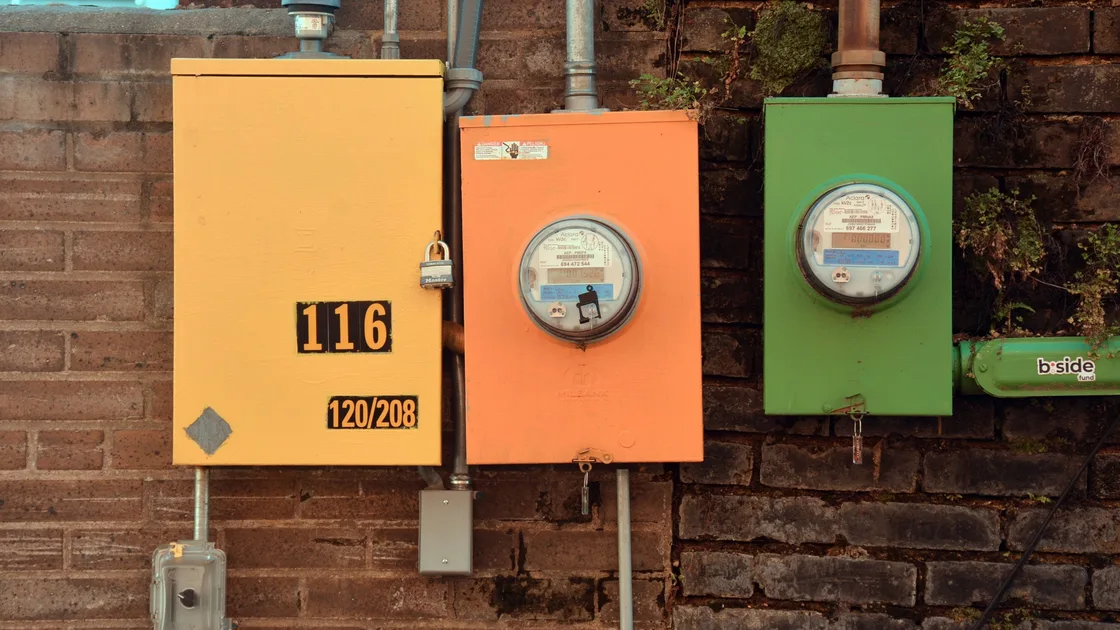
On the handover day, photograph only safely accessible meters. Capture the full face, identifier, reading, unit, tariff register where relevant, and enough surroundings to distinguish the meter. Record whether the reading is actual, estimated, prepaid, shared, unreadable, or inaccessible. Send it through the accepted channel and keep the receipt.
Do not break a seal, open an electrical or gas enclosure, climb into an unsafe area, reconnect or disconnect supply, press unknown controls, turn a valve, or remove a meter. If there is exposed wiring, a gas smell, water near electricity, arcing, or a suspected leak, leave the unsafe area and use the verified local emergency route. A move-out checklist never authorizes hazardous work.
Some services include routers, adapters, smart-home hubs, prepaid keys, cylinders, bins, access cards, thermostats, or other provider property. Ask which items must remain at the address, be collected, or be returned. Record serial numbers and condition, use the provider’s label or appointment, and keep tracking or collection proof.
Do not remove a meter, regulator, hard-wired controller, landlord fixture, network termination, or building equipment. If ownership is unclear, pause and obtain written instructions. Separate provider equipment from your own devices before movers pack the property.
Give the landlord or authorized representative the agreed keys, reading record, and property-condition evidence without disclosing your account password or full payment details. If mail may still arrive, use the overseas mail and packages guide to set a lawful forwarding path rather than relying on a new occupant indefinitely.
A closure confirmation and a final bill are different records. The final bill should show the correct service address, account holder, responsibility end date, meter identifier, final reading, billing period, tariff, fixed charges, taxes, payments, deposit, adjustments, debit, or credit. Compare it with your notice and photographs.
Ofgem explains that credit remaining in a closed Great Britain energy account is usually returned to the account holder, and that accurate final readings and current contact details help the supplier send a final bill and refund. It also warns that canceling a direct debit before receiving the final bill can complicate the process.[2] This is a British consumer example; refund timing and methods vary elsewhere.
If the bill includes a date after your responsibility ended, a previous or new occupant’s usage, an estimated reading that conflicts with accepted evidence, or an unexplained charge, use the official dispute process. Do not edit a bill or subtract an amount informally. Send only the evidence requested and redact unrelated personal data.
Ask when the final debit will be taken, where a refund will go, and how long the payment method must remain active. If the provider requires an open direct debit for settlement, keep enough funds and monitor it. After the final balance and any refund are confirmed, cancel future authority through the bank or provider as appropriate and retain the cancellation record.
Do not leave a bank account open solely on an assumption. If you plan to close the funding account or lose access to a local payment method, arrange an accepted alternative refund route in writing. Verify any message asking for new bank details through a known official contact; relocation and refund urgency can be used for impersonation.
Keep the old email address and phone number long enough to receive corrections, but update them if you will lose access. Store final records privately with the lease, property handover, and tax documents.
Set reminders for the promised final bill and refund dates. Sign in through the known official site or contact the provider with the saved reference. Confirm that the account status, responsibility end date, balance, equipment return, and contact address are correct. A portal that still permits login does not necessarily mean billing continues, and a submitted form does not necessarily mean closure succeeded.
Preserve the final bill, zero-balance or refund confirmation, correspondence, reading evidence, and return receipt for the retention period appropriate to your contract and local law. If debt collection or a later bill appears, verify the sender independently before sharing data or paying.
Use the contract and provider’s current official instructions. Notice periods vary by service and jurisdiction, so do not copy a timetable from another country.
Usually responsibility should match the lease or handover date, not the day packing starts. Confirm the exact date with the landlord and provider so the property remains safe and correctly billed.
Ask the landlord, building manager, or provider for authorized access or an accepted estimate. Do not force a cabinet, climb unsafely, or use a neighboring meter.
Only through the provider’s authorized process. Do not transfer login credentials, payment details, identity documents, or security codes to the new occupant.
After you understand the final debit and refund process. Canceling too early can delay settlement; leaving it indefinitely can create unwanted charges, so keep written evidence and monitor it.
Submit your accepted move-out reading and handover evidence through the dispute route. Ask how any correction will appear and verify the revised bill.
Yes. Keep the closure reference, final bill, reading, refund, payment cancellation, equipment return, and dispute correspondence for the relevant contractual or legal period.
Obtain the provider’s closure or transfer confirmation and keep the final bill.
Sources checked 4 October 2026.
This article provides general move-out information, not legal, tenancy, electrical, gas, plumbing, tax, or financial advice. Responsibility, notice, safety, billing, refunds, and record-retention rules vary by contract, property, provider, and jurisdiction.
Sign up to experience all premium features at no cost.
*Available only to new users. Each user is limited to one trial.