Start your 3-day free trial
Sign up to experience all premium features at no cost.
*Available only to new users. Each user is limited to one trial.
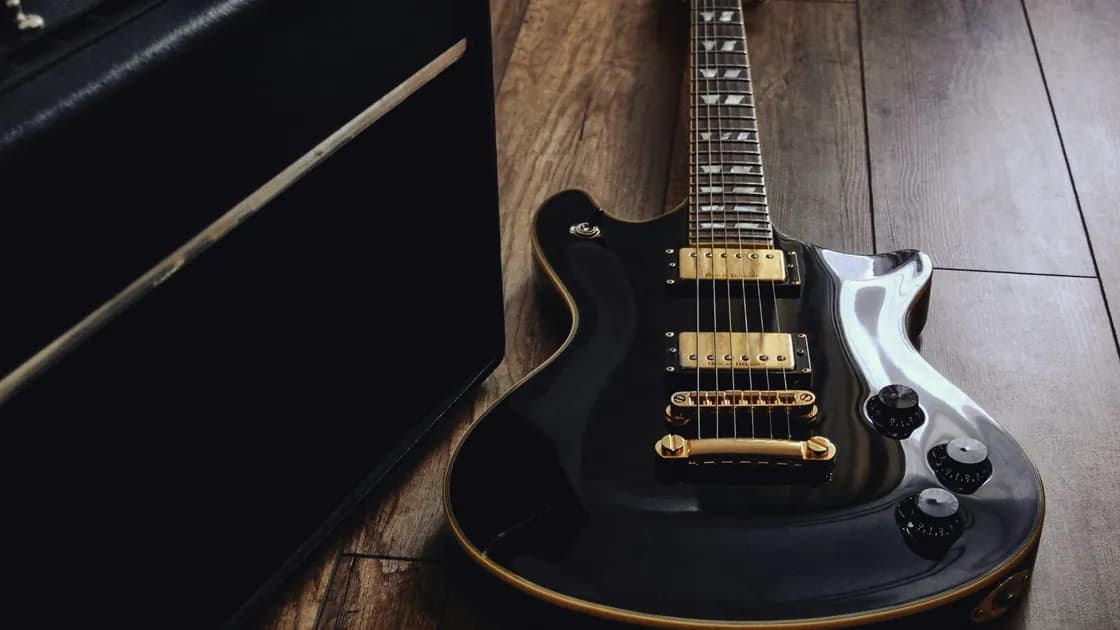

To fly internationally with a musical instrument, measure and document the packed instrument, identify every operating airline and aircraft, choose a cabin or checked method that each segment accepts, verify customs and protected-material requirements, use a suitable case, and control every handoff. A rule for one country or carrier is not a worldwide entitlement.
Key Takeaways:
- Decide from measured case dimensions, weight, value, fragility, and materials.
- Check the operating carrier on every segment, including regional connections.
- Carry-on, extra-seat, and checked transport have different booking and safety limits.
- Wood, ivory, shell, leather, or other animal and plant materials may trigger border rules.
- Photograph the condition before handoff and inspect before leaving the arrival area.
Keep the transport decision, carrier confirmations, customs papers, and condition record with your international travel plan. The useful document is a segment-by-segment record, not a single screenshot from the airline that sold the ticket.
Measure the case at its longest, widest, and deepest points, including handles, wheels, feet, bows, and external pockets. Weigh it fully packed with straps, stands, pedals, mouthpieces, humidifiers, tools, and any separate bow case. Airlines usually assess the packed article, not the bare instrument specifications.
Photograph the instrument and case from several angles. Record the maker, model, serial number, distinctive marks, current condition, accessories, and replacement or repair contact. For a valuable or custom instrument, keep a recent appraisal, purchase record, rental agreement, or loan letter. Store copies separately from the case.
List the materials accurately. Older bows and instruments can contain ivory, tortoiseshell, whalebone, reptile skin, protected woods, mother-of-pearl, or other regulated material. Do not infer the species from appearance. Ask a qualified maker, appraiser, or relevant authority when construction records are unclear.
Separate monetary value from travel suitability. A high replacement value does not force an airline to accept an oversized case in the cabin, and a carrier's baggage acceptance does not establish insurance coverage. Check policy limits, exclusions, documentation, and whether professional use changes the cover.
Identify who physically operates each flight. The ticket may show one airline code while a partner controls the aircraft, baggage system, cabin bins, and gate decision. Check the outbound, return, and every connection independently, especially small regional aircraft with limited overhead space.
Send the carrier the measured packed dimensions, weight, instrument type, case construction, and proposed transport method. Ask whether the instrument can be a normal cabin item, whether it must fit a sizing limit, whether early boarding affects only access rather than guaranteed space, and what happens if the cabin is full or the aircraft changes.
US DOT publishes an instrument-travel guide and Part 251 rule. Part 251 applies to US certificated air carriers, US commuter air carriers, air taxis, and US indirect carriers that operate passenger service to, from, or within the United States. It does not cover non-US carriers or flights operated by non-US carriers.[1][2] The rule describes conditions for small instruments in the cabin and for purchasing a seat for certain larger instruments.
Save the policy version, date, written response, reservation note, and contact channel. Reconfirm shortly before travel and after any schedule, carrier, or aircraft change. A call-center assurance may not resolve weight-and-balance, evacuation, seat-attachment, or bin-capacity limits at the airport, so ask what documentation the gate team can verify.
For cabin carriage, confirm the case fits the airline's permitted stowage area and can be safely secured. Do not plan to hold it during taxi, takeoff, landing, or turbulence. Cabin-bin space can be first-come within a carrier's process, and an accepted cabin item may still need another solution after an equipment change.
For an extra seat, contact the operating carrier before purchasing. Ask how the reservation must be named, whether the ticket can be issued online, which seats permit the item, how it will be restrained, the maximum dimensions and weight, and whether taxes, baggage allowances, loyalty credit, or check-in steps differ. Never improvise a seat-belt attachment at boarding.
Part 251 sets conditions for certain large instruments using a purchased seat when the relevant transport is provided by a covered carrier, including weight and safe restraint requirements.[2] It does not mean every instrument fits every seat or aircraft. The airline may need advance coordination to choose an approved location and restraint method.
If checking the instrument, obtain the oversize, special-item, fee, declared-value, and limited-liability terms in writing. Ask where it will be accepted and returned, whether it transfers automatically, and whether a connection requires customs collection and recheck. “Fragile” handling labels are communication aids, not damage guarantees.
Compare the complete journey, not only price. A nonstop flight may reduce handoffs; a train or specialist freight service may better suit an exceptionally valuable, oversized, or irreplaceable instrument. If no safe, lawful method is confirmed for every segment, change the plan before departure.
Check the export, transit, temporary-import, and re-entry rules of every relevant country. Contact official customs and CITES management authorities with the instrument's material list and travel purpose. Professional performance, sale, repair, loan, exhibition, and personal travel can be treated differently.
The US Fish and Wildlife Service explains that cross-border movement of elephant ivory is restricted and can require evidence of age, provenance, lawful acquisition, and appropriate permits or exemptions.[3] This is a US example, not a customs answer for another country or proof that a particular bow is legal.
If protected material is present or suspected, start early. Permits may need to be issued before departure and endorsed at a designated port. A musical-instrument certificate, passport, or orchestra process can have route and validity conditions. Confirm whether a transit country counts even if you do not leave the airport.
Carry the original permits when required and secure digital copies separately. Keep the appraisal, serial number, photographs, bill of sale, maker statement, rental or loan authorization, performance contract, and proof of planned re-export. Make sure names and identifiers agree across documents.
Prepare a short declaration that is accurate without volunteering speculation. Do not conceal material, mislabel a commercial movement as personal, or rely on an airline employee for a customs decision. Airline acceptance and border admissibility are separate controls.
Use a rigid, well-fitting case appropriate to the instrument and chosen transport. Immobilize the instrument with purpose-made supports that do not press fragile bridges, keys, necks, bells, valves, bows, or finishes. Remove loose items that could strike the instrument. Do not overpack with improvised material that shifts or traps harmful moisture.
Follow a qualified technician's guidance on strings, bridges, reeds, humidity control, valves, and detachable components. Blanket instructions to loosen, tighten, drain, or disassemble every instrument can cause damage. Changes in temperature and humidity matter differently for wood, metal, adhesives, finishes, pads, and electronics.
Place contact details inside and outside without exposing unnecessary personal information. Photograph the closed case, every latch, hinge, handle, wheel, and security seal. If a lock is used, confirm screening access rules. Keep irreplaceable documents, permits, small accessories, and spare batteries in the cabin when regulations allow.
For electronic instruments and accessories, identify lithium batteries and protect spare terminals. Confirm dangerous-goods restrictions for batteries, aerosols, cleaning fluids, adhesives, tools, or compressed-gas accessories. An instrument exception does not override general aviation-safety rules.
Create a one-page handoff note with the instrument name, correct orientation, safe lifting points, fragile areas, case-opening contact, and arrival destination. Keep it practical; baggage handlers cannot follow a long conservation manual during a transfer.
Arrive with time for special-item check-in, documents, security inspection, seat verification, or oversize delivery. Before releasing the case, confirm the tag shows the correct final airport and note whether you must collect it during customs or a connection. Photograph the tagged case and record the handoff location and time.
If the instrument travels in the cabin, remain polite and specific at security and the gate. Show the carrier response and measurements when needed. Cooperate with inspection, but ask to open and repack the case yourself when permitted. Do not let a rushed disagreement lead to an unsafe improvised stowage plan.
If a gate team proposes checking a cabin-planned instrument, ask for the reason and available approved alternatives. A different bin, later flight, purchased seat, or specialist transport may or may not be possible. Document the decision; do not claim that a US rule automatically controls a flight outside its coverage.
At arrival, collect the case at the stated location and inspect it before leaving. Photograph impact marks, broken hardware, moisture, missing accessories, disturbed packing, or changes in the instrument. Avoid playing or tuning an apparently damaged instrument until it can be assessed safely.
Report loss or damage promptly through the responsible airline's channel and obtain a reference number. Preserve the tag, photographs, repair estimate, customs documents, receipts, and written carrier policy. Do not authorize disposal or an irreversible repair before evidence and insurer requirements are understood.
No. Acceptance depends on the applicable rule, operating carrier, packed dimensions, available approved stowage, aircraft, and safety conditions. Obtain a segment-specific answer.
No. The carrier must approve the item, seat location, dimensions, weight, and restraint method. Arrange the reservation directly with the operating airline.
No. Part 251 covers specified US carriers, not non-US carriers or flights operated by them. Check the operating carrier and applicable law for every segment.
Possibly. Age alone does not answer the question. Identify the species and material, route, purpose, and relevant national requirements with official authorities.
There is no safe universal instruction for every instrument. Follow advice from the maker or a qualified technician familiar with its construction and the planned transport.
It may arrive at a normal carousel, oversize area, aircraft door, or special-baggage desk. Confirm at handoff and verify whether customs or a connection requires collection.
Keep dated before-and-after photographs, serial and appraisal records, tags, carrier confirmations, permits, a precise damage description, and a qualified repair assessment.
To fly internationally with a musical instrument, make the packed case—not the bare instrument—the basis of the plan. Confirm the operating carrier and aircraft for every segment, choose a transport method that can be safely executed, clear customs and protected materials, prepare the case, and preserve a condition record through arrival.
Sources checked 6 September 2026.
This article provides general information, not legal, customs, CITES, insurance, valuation, conservation, aviation-safety, or carrier-policy advice. Requirements vary by instrument, materials, purpose, airline, aircraft, route, border authority, and jurisdiction.
Sign up to experience all premium features at no cost.
*Available only to new users. Each user is limited to one trial.