Start your 3-day free trial
Sign up to experience all premium features at no cost.
*Available only to new users. Each user is limited to one trial.


Prepare mobile data, complete the applicable eTravel registration, and save the next transfer offline before traveling in the Philippines. This Philippines digital travel guide keeps SIM registration, immigration paperwork, and app payment eligibility separate, with backups for an island journey or a tourist SIM that stops working.
Key Takeaways:
- A local SIM requires registration; a purchased data package alone does not prove activation.
- Smart's tourist registration terms specify a 30-day temporary SIM validity and an assisted extension route.
- eTravel is a separate, free official travel registration, not a SIM registration service.
- Save bookings and payment alternatives before leaving a reliable connection.
The international travel connection checklist covers the common preparation. For the entry form itself, use the separate eTravel eligibility and submission guide; this article focuses on staying connected during the trip.
For the separate legal boundary, read the Philippine VPN and SIM-registration guide; activating mobile service and protecting its route are different tasks.
Build a backup around your next destination, rather than the country as one continuous coverage area. Record the airport or port, accommodation address, transfer operator, meeting point, and contact method. Keep the details locally available so a weak connection cannot remove your only directions.
| Need | Evidence to keep | Backup when unavailable |
|---|---|---|
| Mobile service | Carrier registration confirmation and plan terms | Authorized Wi-Fi or a verified alternative plan |
| Entry record | Applicable eTravel confirmation | Downloaded or printed QR code |
| Transfer | Booking reference, pickup point, operator contact | Staff assistance and an agreed meeting point |
| Navigation | Saved destination and route notes | Accommodation directions and offline map material |
| Payment | Accepted method and issuer contact | Physical card and appropriate cash reserve |
| Help | Accommodation and responsible service contacts | Nearby staff or an in-person service desk |
Label each document with its purpose. A registration receipt is not necessarily a working data plan, and a payment receipt does not prove that a transfer booking has been confirmed. Check the actual service you need rather than collecting screenshots that all look like success.
The official eTravel FAQ says registration is free, available through a browser, and normally completed within 72 hours before the relevant arrival or departure. It advises saving the QR code. Check its applicability to your traveler category through the dedicated guide, and do not pay an imitation site merely because it appears in a search result.[1]
Keep the QR code accessible without logging into email again. Do not post it in a public travel group to ask whether the form looks correct; it may expose personal or journey information.
Philippines SIM registration is a service activation requirement, distinct from buying credit. Smart's terms cite the SIM Registration Act and require new subscribers to register before activation. For foreign tourists, the documented requirements include a passport, Philippine address evidence, and a return or onward ticket showing departure.[2]
Use the carrier's official registration channel or authorized assistance. A shop's promise that a SIM is already registered is not evidence that it is lawfully associated with your identity. Do not use another person's documents, accept a stranger's account, or send passport photographs to an unverified chat contact.
Smart's tourist terms specify temporary SIM validity of 30 days, followed by automatic deactivation. They provide an assisted request before expiry when the tourist submits an approved visa extension; other visa categories have different requirements.[2] Ask the carrier to confirm the dates and process applying to your own subscription.
Put both dates in your itinerary: the registration-based service deadline and the data package expiry. A top-up may add credit without resolving a registration deadline. Extending your lawful stay does not by itself prove that the carrier has updated your SIM record.
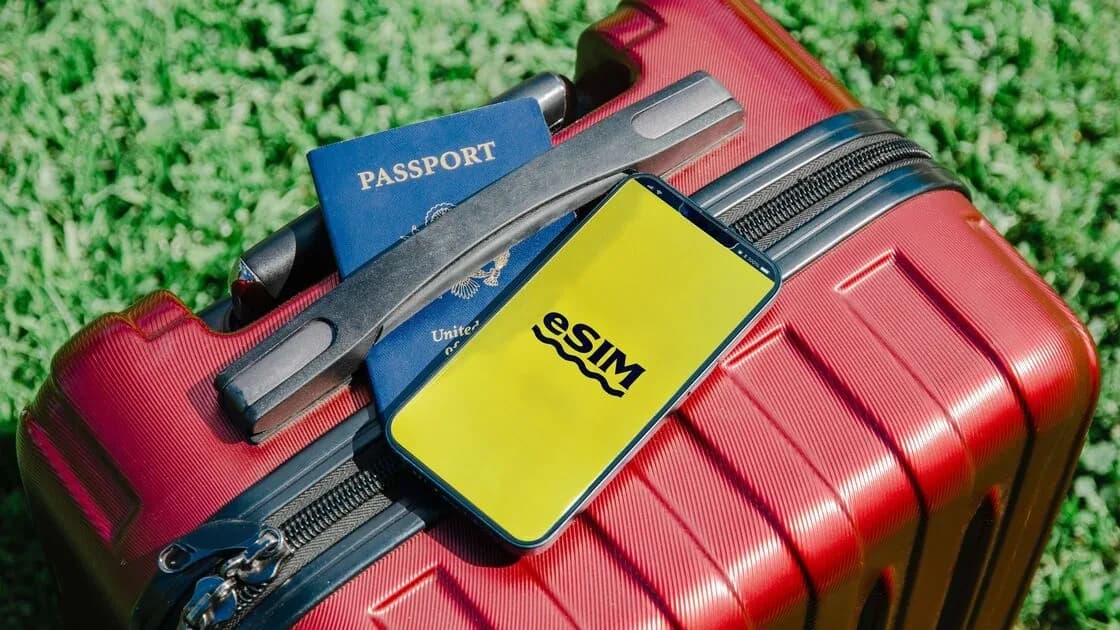
An international travel eSIM and a Philippine local subscription can have different registration, roaming, and telephone capabilities. Check the seller's actual terms rather than assuming every product called an eSIM follows the same route. The guide separating eSIM service from a VPN helps define what each purchase supplies.
Keep the installation code private and verify device compatibility and unlocking before purchase. Preserve your home number if your bank sends codes there, while controlling its roaming data according to the home carrier's instructions.
Test Philippines travel apps with the accounts and payment methods you intend to use. Navigation, a transfer provider's app, and an established messaging channel are more useful than a long list of downloads you have never opened. Confirm your first accommodation and pickup instructions while you still have reliable internet.
If you plan to use Grab, check the service and pickup options at your destination in the app. Save the pickup zone and booking reference, and verify the vehicle before boarding. An available app does not establish coverage on every island or at every port.
Download the offline map area where your chosen map supports it. Save the accommodation's address as text as well as a pin; a driver or staff member may recognize an address or nearby landmark more easily than a pin that will not load.
Set up recovery methods before replacing the data line. Do not automatically change every account's phone number to a short-lived tourist number: when the SIM expires, that number may no longer receive recovery codes. Keep an offline record of the account's legitimate support route instead of depending on a search advertisement during a failure.
Avoid sharing live travel movements publicly. Give a trusted contact the intended route and check-in plan, but limit location links to the people who need them and revoke them when the journey ends.
Philippines public Wi-Fi is a fallback for a specific venue, not a substitute for checking coverage along your route. Ask the airport, accommodation, or staffed facility for the correct network name and access conditions. If the hotspot cannot be verified or asks for unnecessary account secrets, use another connection.
Separate weak radio signal, expired data, SIM deactivation, and a Wi-Fi portal. A phone showing a Wi-Fi symbol may still be waiting for access terms; a phone showing a carrier may still lack usable data. Try a simple nonsensitive page before reopening a booking or banking session.
For a tunnel that fails only on accommodation Wi-Fi, use the hotel network and VPN troubleshooting checks. Complete the venue's access step first, then compare the ordinary network and VPN path without changing several settings at once.
Send the next accommodation your arrival details while the connection is working. Save the port name, sailing or transfer reference, operator contact, and cancellation instructions locally. Confirm schedule changes through the responsible operator; a message in an informal group is not proof that your booking changed.
Keep the phone charged and restrict background downloads when data or power is limited. If contact is urgent, ask staff to place a call rather than spending the remaining battery repeatedly attempting an app connection.
Keep an accepted physical card and a practical cash alternative, and check what the accommodation or transfer provider accepts before you arrive. Do not assume that a local number automatically creates eligibility for a wallet, or that a QR code can be paid from any banking app.
Grab's Philippine payment terms describe card verification and authorization holds, and disclose that foreign payment methods may carry additional fees. A pending authorization is different from the final charge. Read the current terms and payment screen instead of relying on a fixed fee quoted in an old guide.[3]
If a ride or order confirmation disappears, check its history and issuer record before retrying. Network restoration does not reverse a duplicate charge. The predeparture payment and account checklist covers issuer contacts and recovery preparation.
Take a SIM registration or expiry problem to the carrier, a booking issue to the operator, and a rejected payment to the issuer or app provider. Record the time, reference, and exact error without revealing passwords or verification codes. For an immediate safety problem, seek local staff or emergency assistance rather than waiting for routine online support.
A Smart tourist SIM approaching its 30-day limit can leave you unable to open the carrier's extension instructions or an onward booking even though data credit remains. Restore an authorized internet connection first, then contact the carrier about the registration record; using venue Wi-Fi makes the account reachable without extending the SIM's validity.[2]
Once that Wi-Fi works, AethoVPN can encrypt the traffic used to review your own booking and email while the carrier handles the separate extension request. Check that those pages load after connecting; the service cannot extend SIM validity, provide missing visa evidence, or repair an island coverage gap. If you want this connection option prepared before the deadline, create an account using email verification; no account password is required.
Buying a local SIM does not by itself prove activation. Follow the carrier's registration requirements and confirm that the subscription can actually use the services you purchased.
A data or credit top-up should not be assumed to extend the tourist registration deadline. Smart documents an assisted extension route requiring an approved visa extension before the temporary validity expires.
eTravel is an official travel registration, while SIM registration identifies the mobile subscriber for carrier service. Completing one does not complete the other or establish immigration permission.
Check the available services and pickup arrangements for your actual destination. Keep a confirmed transfer or staff-assisted transport alternative rather than relying on the app everywhere.
Wallet eligibility and identity requirements depend on the provider and account type. A connected phone or local number alone does not prove that your registration or payment method will be accepted.
A VPN requires an underlying working internet connection and cannot renew a carrier subscription. Use a verified alternative connection and ask the carrier to resolve the expiry or registration issue.
Save the operator's reference, port and meeting point, accommodation contact, and change instructions offline. Confirm the current journey with the operator while you still have a reliable connection.
Disclaimer: VPN regulations vary by country and region and are subject to change. This article does not constitute legal advice. Please review and comply with your local laws before using a VPN.
Sources checked 5 October 2026.
Sign up to experience all premium features at no cost.
*Available only to new users. Each user is limited to one trial.