Start your 3-day free trial
Sign up to experience all premium features at no cost.
*Available only to new users. Each user is limited to one trial.
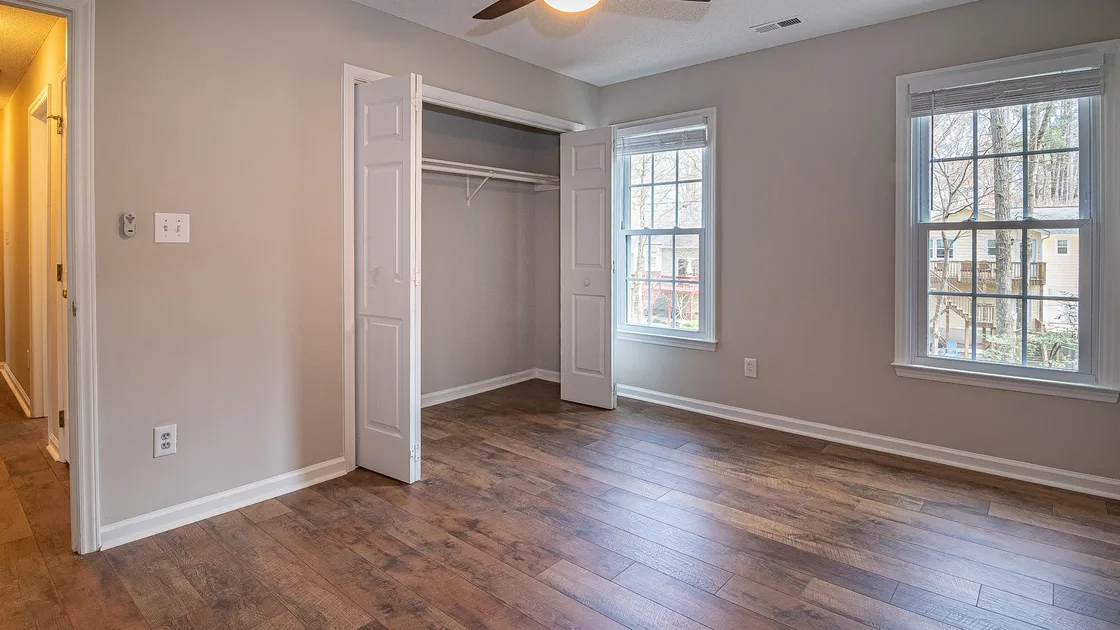

For a reliable move-out inspection for a rental abroad, compare the emptied property with the signed move-in record, document every room consistently, and obtain a dated handover record for keys, meters, furnishings, and any disagreement. Start before departure so local notice, cleaning, access, or repair requirements do not collide with your flight.
Key Takeaways:
- Use the lease, move-in inventory, dated photos, and local rules as your baseline.
- Inspect after belongings are removed and cleaning is complete whenever practical.
- Separate tenant damage from ordinary wear according to the applicable rules.
- Photograph the same surfaces and fixtures from wide and close angles.
- Record every key, access device, meter reading, appliance, and furnished item.
- Do not leave with only a verbal assurance; request a signed or acknowledged report.
Add the inspection to your wider international travel and relocation plan while you can still attend, appoint someone properly, or arrange a documented remote handover. The goal is not to make the property look unused. It is to create a fair, verifiable record of its condition and the handover.
Read the termination and handover clauses rather than relying on a message summary. Note the notice date, end date, inspection procedure, cleaning obligations, repair restrictions, required contractors, key-return method, furnished inventory, and address for later correspondence. If the lease is not in a language you confidently read, obtain a reliable translation of the relevant clauses.
Find the move-in condition report, inventory, check-in photographs, repair requests, landlord acknowledgments, and receipts for work completed during the tenancy. Put them in room order. A scratch reported at check-in should not reappear as an unexplained move-out problem because the original message was buried in a chat thread.
Check the current rules of the jurisdiction and any official tenant guidance. Local law may define notice, inspection access, normal wear, deposit claims, or evidence differently from the country where you previously rented. Building rules can separately control lifts, loading areas, waste, and moving hours.
Create a dated checklist of tasks and owners. Include cleaning, minor authorized repairs, utility readings, disposal, removal bookings, mail, attendance, report delivery, and the last safe date for escalation. Leave time for a missed contractor or an inspection that reveals a legitimate unfinished task.
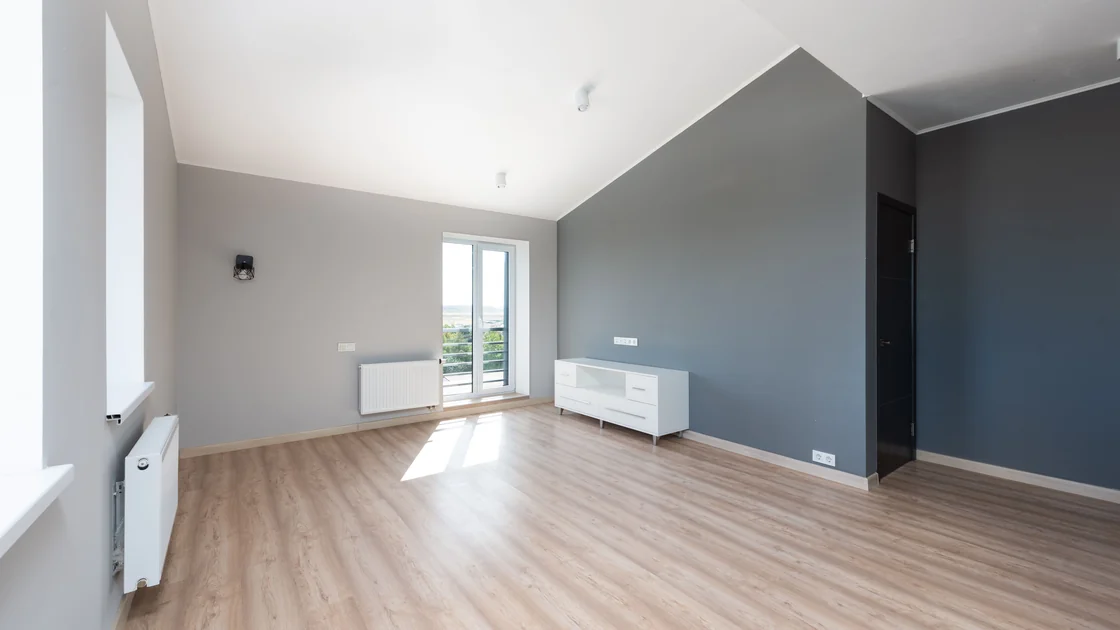
Propose a time after most or all belongings have been removed, cleaning has finished, and daylight is available. Furniture and boxes can hide floors, walls, outlets, and fixtures; darkness makes photographs less useful. Keep enough time after the inspection to address an agreed minor issue without missing departure.
Ask whether the visit is a preliminary inspection, the final handover, or both. A preliminary walk-through can identify concerns but should not be mistaken for final acceptance if the tenancy and possession continue. Record the purpose, property areas, expected duration, attendees, and whether contractors or an interpreter will attend.
If you cannot attend, ask whether a trusted representative may act for you and what written authority is required. Give that person the lease, baseline records, checklist, limits on agreeing to charges, and instructions for receiving documents. A live video call can help you observe, but it does not replace whatever formal process local rules require.
Confirm how the report will be created and acknowledged. Ideally both sides inspect together, record observations in neutral language, photograph disputed areas, and sign or electronically acknowledge the same version. If the landlord refuses to attend, send a time-stamped condition package promptly and retain proof of delivery.
Do not be pressured to sign an incomplete report, a blank cost authorization, or a statement you cannot read. Add a concise reservation beside a disputed item, request a copy immediately, and follow up in writing while the inspection is fresh.
Use the lease and local standard, not personal expectations alone.[1] Ordinary use may cause gradual fading, light carpet wear, or minor marks, while broken fixtures, burns, missing items, or unauthorized alterations may be treated differently. Age, expected lifespan, previous condition, cause, and repairability can all matter.
Clean to the agreed standard, focusing on areas that are easy to overlook: appliances, extractor filters, cabinets, drains, window tracks, balconies, storage, and furnished items. Keep invoices when professional cleaning is required or chosen. Do not assume a generic “professional cleaning” demand is automatically enforceable everywhere; verify the contract and applicable rules.
Avoid last-minute repairs that could worsen a surface or breach the lease. Ask before painting, drilling, replacing a branded fitting, disconnecting an appliance, or hiring work that requires authorization. Photograph the condition before and after any approved repair and retain the invoice and message granting permission.
When a concern appears, describe it precisely: room, item, location, size, condition, and comparison with the move-in record. “Damaged wall” is much less useful than a dated note identifying one chipped area beside a specific doorway. Ask what remedy is proposed and whether further evidence or a contractor assessment will follow.
Do not negotiate a final deposit figure during the walk-through unless the evidence and rules are clear and you have chosen to do so. The inspection establishes condition; a later itemized claim can be reviewed through the proper deposit process.
Work through a fixed route: entrance, living areas, kitchen, bedrooms, bathrooms, storage, balcony or garden, parking, and shared facilities assigned to the tenancy.[2] Check walls, ceilings, floors, doors, windows, locks, lights, outlets, plumbing, appliances, furniture, smoke or safety devices, and any item listed in the inventory.
For each room, take a wide image that establishes location, then closer images of important surfaces and any disputed detail. Recreate move-in angles where possible. Use steady lighting and avoid filters, portrait effects, or edits that change condition. A slow video can show continuity, but still photographs are easier to compare and cite.
Keep original files with metadata when safe and make a separate working copy. Name files by room and item, and add a brief index linking each observation to the baseline report. Photograph serial numbers or inventory labels where relevant, but exclude passports, correspondence, Wi-Fi credentials, or other personal information from the frame.
Test agreed functions reasonably: taps, drains, lights, locks, windows, supplied appliances, heating or cooling controls, and remotes. Do not dismantle equipment or perform unsafe tests. Note anything that cannot be tested because service has ended, a key is missing, or access is unavailable.
Send the evidence package through a channel that preserves date and delivery. Keep the originals until the deposit and any dispute period have ended, subject to privacy and record-retention requirements.
List every physical key, fob, card, remote, parking permit, mailbox key, storage key, and building credential received. Match the count to move-in records and later replacements. Agree how disabled or lost credentials will be handled and obtain a receipt showing what was returned, when, where, and to whom.
Record electricity, gas, water, or other meter readings with a full-frame photo showing the meter identity and a close readable value. Note the date, time, unit, and whether the reading was estimated or inaccessible. Use the readings in the separate utility-closing process; do not assume handing them to the landlord closes your account.
Check appliances and furnished items against the inventory, including accessories such as shelves, trays, remotes, cables, mattress protectors, or instruction packs where listed. Identify owner-supplied items that were replaced with permission and keep the approval. Remove only your own property.
Document rubbish areas, storage cages, parking spaces, and exterior areas included in the tenancy. Leaving furniture or bags without written acceptance can create removal costs even if they seem reusable. Conversely, do not dispose of a landlord's item merely because it looks unwanted.
Set the moment possession transfers. Record whether key return ends access, whether a final visit remains authorized, and how an emergency issue discovered afterward will be reported. Keep travel documents and essential keys separate so they are not accidentally surrendered early.
At the end, review every entry before signing. Correct missing rooms, vague descriptions, unchecked boxes, dates, meter values, and key counts. Where views differ, record both positions and the evidence to follow rather than deleting the disagreement. Each party should receive the same dated version.
Ask for the signed condition report, key receipt, meter record, contractor receipts you supplied, and written confirmation of the forwarding contact and deposit process. Save the files outside a tenancy portal that may close after move-out. If a signature is refused, send your version with a factual cover note and keep delivery evidence.
Do not hand over original personal evidence unnecessarily. Share relevant copies, redact unrelated data where permitted, and preserve unedited originals for a formal process. Avoid posting the dispute publicly while facts and remedies are still being assessed.
Write down unresolved items, who will inspect or quote them, the expected response date, and the applicable deadline. If deductions are later proposed, request an itemized explanation and address them through the deposit process rather than trying to reconstruct the inspection from memory.
Keep a reachable email address and secure payment method after leaving the country. Tell the other party how to contact you, but verify any changed bank instructions independently. A completed handover file should let a neutral reviewer understand the property's starting condition, ending condition, possession transfer, and remaining disagreement.
A sound move-out inspection for a rental abroad starts with the lease and move-in baseline, happens after removal and cleaning when practical, and follows the same room-by-room route with clear photos. Separate ordinary wear from alleged damage under local rules, reconcile keys and meters, record disagreement without pressure, and leave with a complete acknowledged handover file.
Usually after belongings are removed and cleaning is complete, because surfaces and inventory are easier to inspect. A preliminary visit can happen earlier, but confirm whether a later final inspection is still required.
Follow the required notice and access procedure, complete a thorough dated inspection, and send the report and evidence promptly through a traceable channel. Record the invitation and non-attendance.
No universal rule applies. Check the lease, the property's starting condition, and local law. If professional work is required or used, retain the scope and invoice.
It generally concerns deterioration from reasonable ordinary use, but definitions and evidence vary. Consider age, starting condition, expected lifespan, severity, and local guidance rather than using a global checklist.
Ask for the concern and proposed standard in writing. Do not perform unsafe or unauthorized work. If time allows, agree on a lawful repair and document permission, condition, and completion.
They are stronger when combined with the signed move-in report, dated notes, video where useful, maintenance messages, invoices, meter readings, and proof of delivery. Use wide and close views and keep originals.
Make an itemized key list and obtain a dated receipt. Photograph identified meters, record units and time, provide the readings as agreed, and separately complete each utility provider's closing process.
Sources checked 5 September 2026.
This article provides general information, not legal or tenancy advice. Inspection procedures, notice, ordinary wear, cleaning duties, evidence rules, and remedies depend on the lease and applicable local law.
Sign up to experience all premium features at no cost.
*Available only to new users. Each user is limited to one trial.