Start your 3-day free trial
Sign up to experience all premium features at no cost.
*Available only to new users. Each user is limited to one trial.
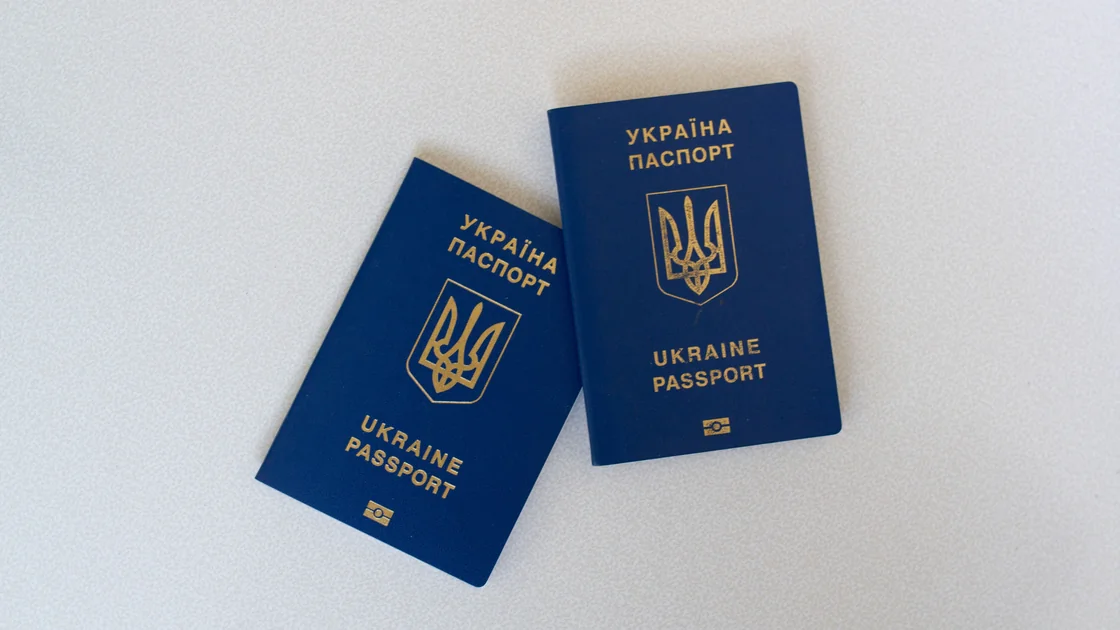

Yes, you can use two passports to travel if you are a citizen of both countries. When traveling with two passports, present the one that proves your right to enter or leave at each checkpoint, and carry both when the itinerary depends on both citizenships. The airline may ask to see both, even if the booking holds only one.
Key Takeaways:
- There is no universal rule to use one passport for the entire trip.
- Citizens may be required to enter or leave their own country on its passport.
- A visa, eTA, residence status, or prior entry record may be tied to one document.
- Airline document checks and government border inspections serve different purposes.
- Keep names and itinerary records consistent; never conceal a passport when asked lawfully.
Put both passport expiries, visa links, residence documents, transit points, and official contact routes in your international travel planning. The useful unit is not “the trip” but each departure, transit, arrival, and return checkpoint.
List every citizenship or nationality you hold, not only the passports you currently carry. A government may treat you as its citizen even if you normally travel on another passport. The US Department of State describes dual nationality as nationality in two countries and warns that rights and obligations can exist in both.[1]
Then split the journey into separate events: airline check-in at origin, exit control if present, each transit border, arrival inspection, domestic movements that require identification, departure from the destination, and return home. Include airport changes and overnight connections that may force entry through immigration.
For each event, ask three different questions:
| Question | Decision owner | Evidence to check |
|---|---|---|
| May I enter or leave? | Border authority | Citizenship, passport, visa, residence status |
| May the airline board me? | Carrier using destination rules | Valid document and proof of admissibility |
| Which identity is attached to the booking? | Seller and carrier | Name, passenger data, loyalty and ticket records |
Do not infer citizenship rules from visa-check websites or social-media anecdotes. Use the official immigration, passport, embassy, or consular source for each country where you are a citizen and each border you will cross.
Write the intended document beside every checkpoint. This “document route” exposes conflicts before you reach the airport.
Many countries expect or require their citizens to use that country's passport at its border. The rule is country-specific. US guidance says US citizens, including dual nationals, must enter and leave the United States on a US passport.[1] Canada says most dual Canadian citizens flying to Canada need a valid Canadian passport, with specific treatment for Canadian-American dual citizens.[2]
Do not generalize those examples to another nationality. Some countries restrict dual nationality, may not recognize another citizenship while you are there, or may limit foreign consular assistance. Others permit two nationalities but still prescribe which document citizens use for entry or exit.
Check whether the rule differs by air, land, or sea. Canada's published requirement, for example, focuses on air travel and contains defined exceptions.[2] The presence of an exception does not mean an airline employee can invent one at the gate.
Confirm the passport is valid for that country's own-citizen route. A foreign passport plus a citizenship certificate may not replace a valid national passport unless the authority explicitly provides an alternative. If renewal time is short, contact the issuing passport authority before booking a nonrefundable itinerary.
Think about consular protection as well as admission. The US State Department warns that the other country may not recognize US nationality when a dual national is also its citizen.[1] This does not tell you which passport to hide; it tells you to research the legal consequences before travel.
A visa or electronic travel authorization is normally linked to a particular passport number, nationality, and expiry. If you renew the passport or plan to present the other one, verify whether the permission transfers, must be updated, or requires both old and new documents.
Do not apply for an authorization meant for foreign visitors when you are a citizen of the destination. US guidance states that dual US citizens may not use a foreign passport to apply for ESTA.[1] Similar distinctions elsewhere must be checked with that country's authority.
Map residence permits and digital immigration status separately. A physical card may refer to one passport; an online account may require you to add a new document; an eVisa may be associated with the passport used in the application. Print or save official instructions for linking documents if the system permits it.
Transit creates another layer. A passport that gives easy destination entry may not give the same airside-transit or landside-entry permission at the connection. Check every transit country and whether baggage collection, terminal transfer, airport change, or an overnight stop requires you to cross its border.
Keep the document chain legitimate and explainable. Do not use one passport to conceal a refusal, overstay, name difference, or travel history.
Book the ticket in the name that can be matched to the documents you will present. If the two passports display names differently, ask the airline how it records dual-document travel before changing the booking. Do not create a second ticket merely to attach another passport.
For advance passenger information, enter the passport the airline requests for the destination or next border. Some systems accept one document online but airline staff can inspect both at the airport. An online field is not a declaration that the other citizenship does not exist.
At check-in, explain the route in one sentence: “I leave here as a citizen on Passport A and enter the destination on Passport B; I am carrying both.” Show the second passport when it proves onward admissibility, return rights, a visa, or residence status. Allow staff time to consult their document system or supervisor.
The airline's job is to decide whether it can transport you under destination and transit rules. Border officers make the admission or exit decision. A boarding pass does not override immigration law, and a valid right to enter does not guarantee the airline's automated check will understand two passports without manual review.
Check that the boarding pass, baggage tag, and onward segments remain under the same passenger and ticket. If staff update document data, ask which passport is now stored for the next flight and whether it changes only travel-document information or also the booking identity.
At an exit or entry booth, present the passport required by that country's rules. If the officer asks about another citizenship, travel document, visa, or entry record, answer accurately and show the other passport. Never destroy, conceal, or falsely deny a document to manufacture eligibility.
Keep both passports together but hand over only what the process requests initially. This reduces accidental scanning of the wrong passport while keeping the second document available. Watch which passport receives a stamp or electronic movement record when that is visible.
Australia's Smartraveller advises dual nationals to leave and enter Australia using an Australian passport and warns that another country may require use of its passport there.[3] The United Kingdom permits dual citizenship, but dual British citizens generally need a valid UK or Irish passport or a certificate of entitlement to travel to the UK, cannot get an ETA, and cannot obtain British diplomatic help while in their other country of citizenship.[4] These examples show why a universal “best passport” answer is unsafe.
For an automated gate, use the passport that meets that gate's eligibility and matches the intended border record. If the gate rejects it, do not repeatedly try both documents. Ask an officer and explain the dual-national route.
Keep any arrival record, entry stamp, digital confirmation, or landing permission associated with the same document for departure. If you entered on one passport and the exit system looks for another, present both and let the authority reconcile the records.
Before travel, verify both passports' expiry, physical condition, blank-page needs where applicable, and any destination validity rule. Check visas and digital permissions against the exact passport number. Carry the old passport only when an official instruction says a valid permission in it can be used with the new one.
If one passport is lost or stolen, report it through the issuing authority's official process. Do not assume the other passport automatically solves the return journey: the country of citizenship may still require its own valid document, and the visa or residence record may be tied to the missing passport.
For different names, birth details, transliterations, or sex markers, carry the evidence required by the relevant authority and ask the airline before departure. A marriage certificate or name-change record is not universally accepted as a substitute for a corrected passport or ticket.
If an airline, immigration account, or visa system holds the wrong passport number, use its official correction process. Keep screenshots or confirmations with sensitive numbers redacted when sharing them. Never email full passport scans to an address obtained from an unsolicited message.
Delay travel when you cannot prove the intended route. A refundable change is usually less disruptive than reaching the gate with two individually valid passports that do not form a valid document chain for the itinerary.
Use the name that correctly matches your travel documents, then follow the airline's process for passport data. Booking identity and the passport presented at each border are related but not identical decisions.
Often, yes, when one proves boarding eligibility and the other is required at that border. Be ready to show both and explain the lawful document route; do not conceal citizenship or travel history.
Some countries require this, but the rule is not universal. Check the official passport or immigration authority for every citizenship you hold.
Check whether the issuing country permits travel with both passports, requires a transfer, or requires a new visa. Do not assume a valid visa can be detached from the passport identity used in the application.
Use the one the carrier requests for the next destination or transit check. If the website cannot represent the route, use staffed check-in and bring both documents.
You may use different documents for different lawful checkpoints, but transit permissions and movement records must still reconcile. Check whether you remain airside or must enter the transit country.
Do not rely on the other passport without checking citizenship, exit, return, visa, and airline rules. Renew early or obtain official advice and the required emergency document before traveling.
When traveling with two passports, build a checkpoint-by-checkpoint document route. Use the passport required for your own country's border, the document that proves eligibility for the next country, and both when the airline needs to reconcile the journey. Verify visas, residence status, advance passenger data, transit, and return rights before departure; no single worldwide rule chooses the passport for you.
Sources checked 4 October 2026.
This article provides general information, not legal, immigration, nationality, consular, airline, or travel-document advice. Passport-use rules, recognition of dual nationality, visas, permissions, carrier checks, border decisions, and assistance vary by citizenship, country, route, document, and individual circumstances.
Sign up to experience all premium features at no cost.
*Available only to new users. Each user is limited to one trial.