Start your 3-day free trial
Sign up to experience all premium features at no cost.
*Available only to new users. Each user is limited to one trial.
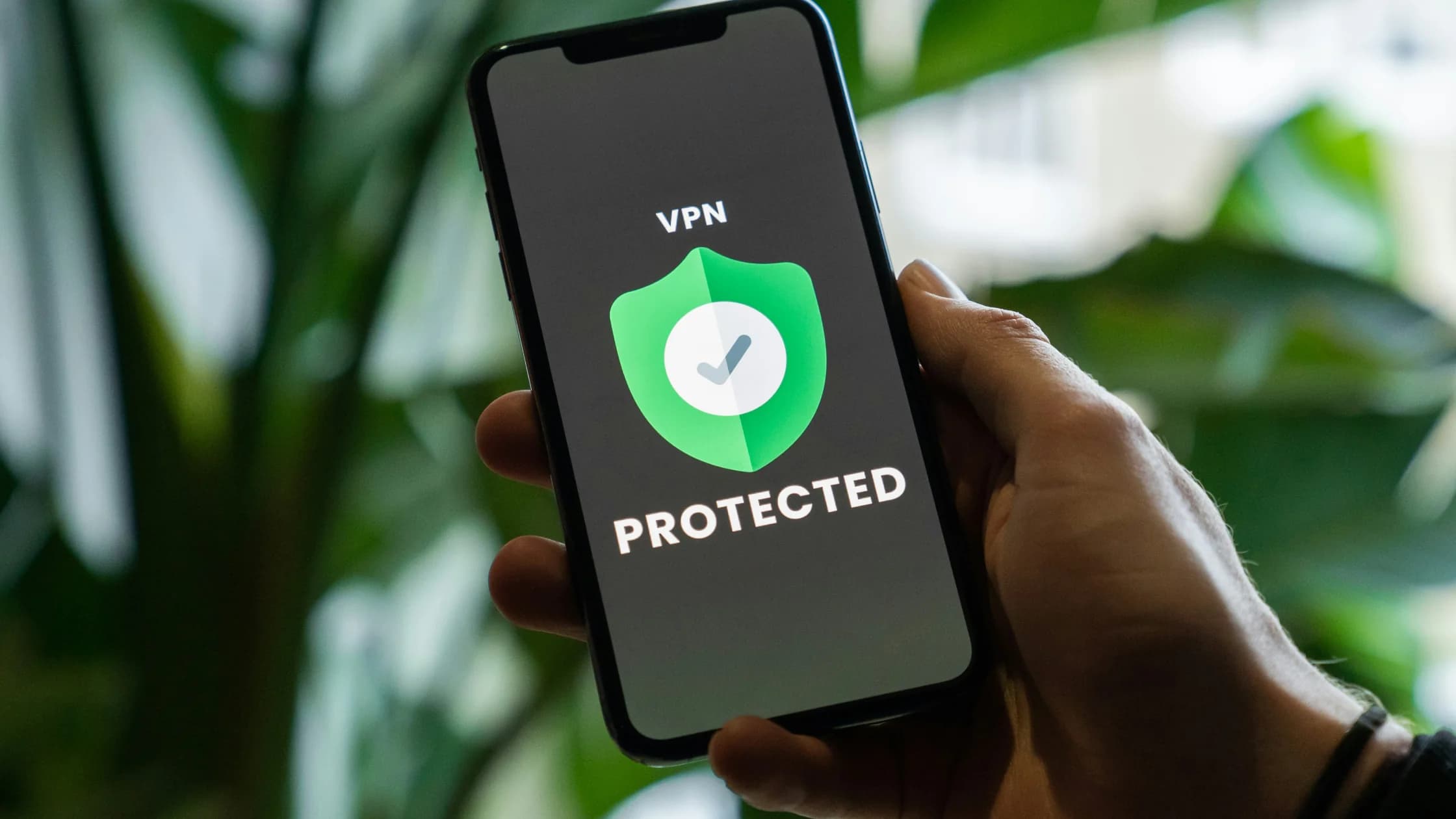

Short answer: yes, you should keep your VPN on whenever possible. A VPN is a little like health insurance for your connection: you hope you never need it, but you will be glad it is there when an attack happens. As explained in our VPN beginner's guide, leaving a VPN running in the background is one of the simplest ways to protect your digital footprint from ISP tracking, public Wi-Fi attacks, and local network snooping.
Key Takeaways
- Always-on encryption: A VPN protects your traffic even on weak public Wi-Fi networks.
- Less ISP visibility: Your ISP cannot easily analyze, sell, or throttle traffic by type.
- There are exceptions: You may temporarily turn it off for strict banking apps, local network troubleshooting, or ultra-low-latency gaming.
- Split tunneling helps: You can route sensitive apps through the VPN while keeping local apps on your normal connection.
The moment your device goes online, it starts broadcasting metadata about where it is and where it is going. The FBI's internet crime reporting shows that cybercrime affects huge numbers of people each year.[3] Keeping a VPN on wraps your network traffic in encryption before it leaves your device.
Password-free Wi-Fi in airports and cafes is easy to abuse. Attackers can set up an "evil twin" hotspot with a familiar name. Without a VPN, passwords, cookies, and session data may be exposed. With a VPN, traffic is encrypted before it leaves your device.
Even at home, your ISP can see which sites you connect to. In some places, providers may collect and sell metadata[1]. ISPs can also throttle high-traffic activities such as streaming or P2P downloads. With a VPN on, the ISP only sees a connection to an encrypted server.[2] For more detail, read what a VPN hides.
Advertisers use searches and IP addresses to build profiles. Repeated searches for flights or hotels may even change what prices you see. A VPN rotates your visible IP location and weakens location-based profiling.
School and office networks often block streaming, social apps, or games. When the VPN auto-connects, your requests are encrypted, making it harder for the local firewall to classify your traffic.
DDoS attacks often target your raw IP address. A VPN hides it, so attack traffic hits the VPN node instead. This is especially useful for gamers and P2P users.
Your phone, tablet, smart TV, and laptop all carry sensitive data. A good VPN supports multiple devices or router-level configuration, so your whole digital setup gets a consistent layer of protection.
Always-on is a strong default, but it is not a rule you must follow blindly.
Many banks use strict anti-fraud checks. If you suddenly log in from an IP far from your usual location, the app may lock or challenge your account.
In fast shooters and esports titles, a VPN server can add one or two network hops and increase ping. If that matters, turn it off temporarily. For context, see does a VPN slow down your internet?.
If you need to access printers, smart home devices, or ISP diagnostics, disabling the VPN can help isolate local network issues quickly.
Two settings make always-on VPN much easier.
Split tunneling lets you choose which apps use the VPN. Local banking, messaging, or delivery apps can use your normal network, while browsers and privacy-sensitive apps route through the VPN. This reduces bandwidth use and prevents many banking false positives.
People forget. Auto-connect and a kill switch help prevent leaks when you join an untrusted hotspot or when the VPN connection drops unexpectedly.
Yes. Your home Wi-Fi may be password protected, but your ISP can still collect metadata about where you connect. A VPN protects the network exit point.
No. Free VPNs often have limited servers, slower speeds, weak privacy controls, and incentives to log or sell user data.
It can increase battery use because the device continuously encrypts and decrypts traffic. Modern lightweight protocols such as WireGuard® reduce the impact.
Yes. HTTPS protects content between your device and a website, but your ISP can still infer destinations from DNS and connection metadata. A VPN hides more of that route.
In heavily censored environments, VPN traffic patterns may be probed and blocked more aggressively. Switching nodes and using the VPN when needed can be more practical than leaving one sensitive IP connected all day.
Disclaimer Using AethoVPN for unauthorized access that violates service terms or local law is strictly prohibited. Make sure your VPN use is lawful where you are.
Sources
Sources checked 8 May 2026.
Related Articles:
Sign up to experience all premium features at no cost.
*Available only to new users. Each user is limited to one trial.