Start your 3-day free trial
Sign up to experience all premium features at no cost.
*Available only to new users. Each user is limited to one trial.
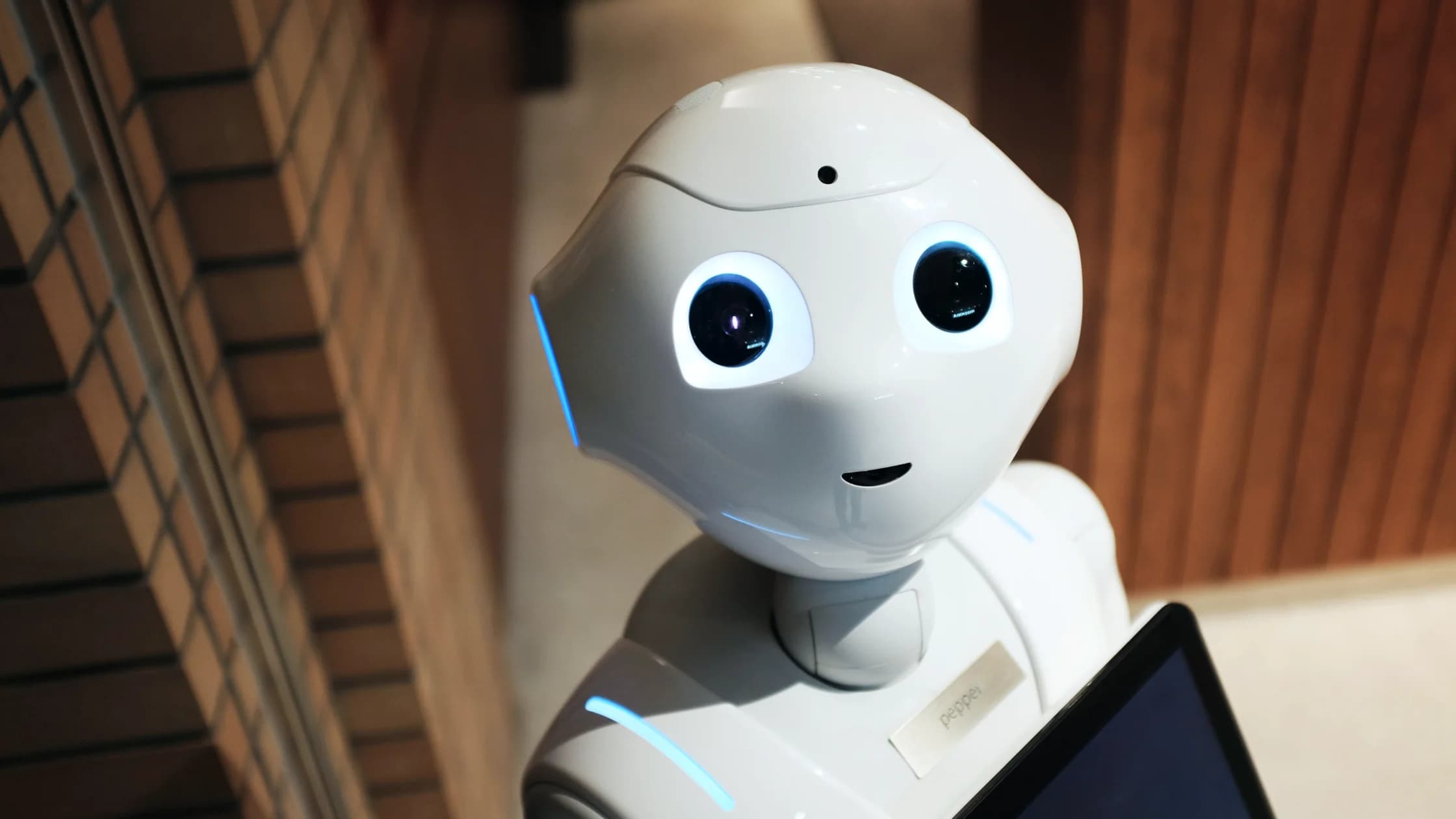

The most interesting thing about sci-fi predictions that came true is not that one movie guessed one product correctly. It is that abilities once limited to the screen are becoming things you authorize, connect, upload to, and get analyzed by every day. Self-driving cars, AI companions, smartwatches, voice assistants, and targeted ads all feel like science fiction. They also push privacy boundaries into much finer detail.[1][2][3]
So this is not a nostalgia list. It answers a more useful question: which future technologies are worth using, and which ones should make you check permissions and data flows first?
For a general task and review workflow, see How to Use AI: A Beginner’s Guide to Useful Results.
Key Takeaways
- Many technologies that feel like "sci-fi becoming real" are no longer lab demos. They now live in phones, cars, homes, and ad systems.[1][3]
- The more convenient a tool becomes, the more likely it is to involve sensors, location, voice, and behavioral data.
- AI companions and generative AI are among the most sci-fi-like technologies of 2026, and among the easiest privacy risks to underestimate.[2]
- You do not need to reject future tech. You do need boundaries for permissions, accounts, and network connections.
If you are studying AI access and privacy boundaries, start with this guide: AI privacy risks: where does your input go?.
If this article makes you think less about distant AI futures and more about how you use today's tools, compare current availability in Where Are Popular AI Tools Available?, then return to privacy settings before sharing data.
| Sci-fi-like technology | Real-world form | Boundary to watch |
|---|---|---|
| Self-driving cars | Robotaxis, driver assistance | Location, cameras, crash responsibility |
| Talking AI | AI companions, smart assistants | Conversations, emotional dependence, training data |
| Pocket communicators | Smartphones, smartwatches | Contacts, location, health data |
| Smart homes | Cameras, locks, speakers | Household behavior, voice recordings, cloud accounts |
| Personalized ads | Data brokers, cross-site tracking | Profiles, inferences, retargeting |
Science fiction is good at showing the capability. Real products add another layer: the data cost. That is why these technologies deserve another look through a privacy lens.
Self-driving cars are one of the clearest examples of science fiction becoming reality. Companies such as Waymo have brought driverless ride-hailing services to multiple cities, and the sensors on those cars continuously process roads, pedestrians, traffic lights, and location changes.[1]
The value is obvious: less fatigue behind the wheel, more efficient urban mobility, and more independence for people who cannot drive. The boundary is also obvious: autonomous driving depends on dense sensors, maps, logs, and remote operations.
The real questions are not whether it looks cool. Ask:
Many science-fiction stories imagined physical robot assistants. In reality, AI companions and chatbot apps arrived first. In 2024, Mozilla Foundation's privacy research on AI companion apps warned that these products may collect highly intimate conversations, emotions, and relationship information.[2]
The risk is not that AI "wakes up." The risk is that you hand a commercial system your diary, anxiety, romantic life, family conflicts, and identity details.
Safer use looks like this:
Old sci-fi communicators made calls. Today's phones and smartwatches handle location, payments, health logs, calls, photos, access badges, and identity verification. They are not single-purpose devices. They are telemetry terminals for daily life.
That makes app permissions important. You can keep the convenience, but narrow the permissions:
For a deeper checklist, read: What do the app permissions you grant actually expose?.
Smart locks, cameras, robot vacuums, and voice speakers make home automation feel natural. The home setting is special because it may record not only you, but also family members, guests, routines, and room layouts.
My practical rule set is simple:
Mind reading in science fiction is dramatic. Ad profiling in real life is quieter. In a report on data brokers, the FTC said data-broker ecosystems may use large amounts of personal information to build profiles for advertising, risk assessment, and other commercial purposes.[3]
It is not real mind reading, but it can feel close: what you viewed, how long you stayed, where you are, what device you use, and which accounts connect to you can all be assembled into a prediction of what you might buy.
Start reducing exposure here:
Real-time translation earbuds, subtitles, and meeting transcripts are close to the sci-fi universal translator. They solve cross-language communication problems, but they also raise new data questions. Is audio uploaded? How long are transcripts stored? Can meeting materials be used for model training?
If you are handling business meetings, medical consultations, or legal materials, do not judge the tool only by translation accuracy. Read the service terms and data retention policy too.
Fingerprints, face recognition, voiceprints, and gait recognition all feel futuristic and convenient. The problem is that leaked passwords can be changed. Leaked biometric traits are much harder to replace.
The safer approach is not to reject biometrics entirely, but to layer them:
Heart rate, sleep, blood oxygen, and exercise routes make smartwatches feel like pocket medical sci-fi. But this data is deeply personal. It can reveal routines, health risk, stress, and location patterns.
I treat health data as more sensitive than browsing history: authorize less, share less, and sync less to third-party platforms.
These questions matter more than whether the feature feels cool.
Sci-fi predictions that came true are no longer just a fun trivia topic. They are everyday privacy issues.[1][2][3]Not necessarily. As technology matures, it becomes easier to use, but data collection, account security, and misuse risks also move into everyday life.
It depends on the product's data policy. Because AI companions may process emotional, relationship, health, and identity-related conversations, do not enter highly sensitive information.[2]
The main issues are location, sensor records, trip logs, and accident audits. Autonomous vehicles need large amounts of environmental data to operate.[1]
You cannot assume that across the board. But voice speakers, cameras, and locks are sensitive devices, so limit permissions, enable two-factor authentication, and check account login history regularly.
No. A VPN mainly protects the network path and reduces real IP exposure. It cannot manage app permissions, cloud accounts, or device sensors for you.
Start with phone permissions. Location, microphone, camera, contacts, and photos are the permission categories most often over-granted.
Disclaimer: This article is for general technology and privacy education only. It does not constitute legal, medical, investment, or security-audit advice. Always refer to each product's official policy for its data practices.
AethoVPN publishes this guide, but a VPN connection cannot resolve the issue discussed here: sci-fi predictions that came true.
Sources
[1]Waymo — Waymo One: https://waymo.com/waymo-one/
[2]Mozilla Foundation — Privacy Not Included: AI companions: https://foundation.mozilla.org/en/privacynotincluded/articles/ai-companion-apps-raise-privacy-red-flags/
[3]Federal Trade Commission — Data brokers report: https://www.ftc.gov/reports/data-brokers-call-transparency-accountability
Sources checked 22 August 2026; recheck fast-changing facts before relying on them.
Related Articles:
Sign up to experience all premium features at no cost.
*Available only to new users. Each user is limited to one trial.