Start your 3-day free trial
Sign up to experience all premium features at no cost.
*Available only to new users. Each user is limited to one trial.
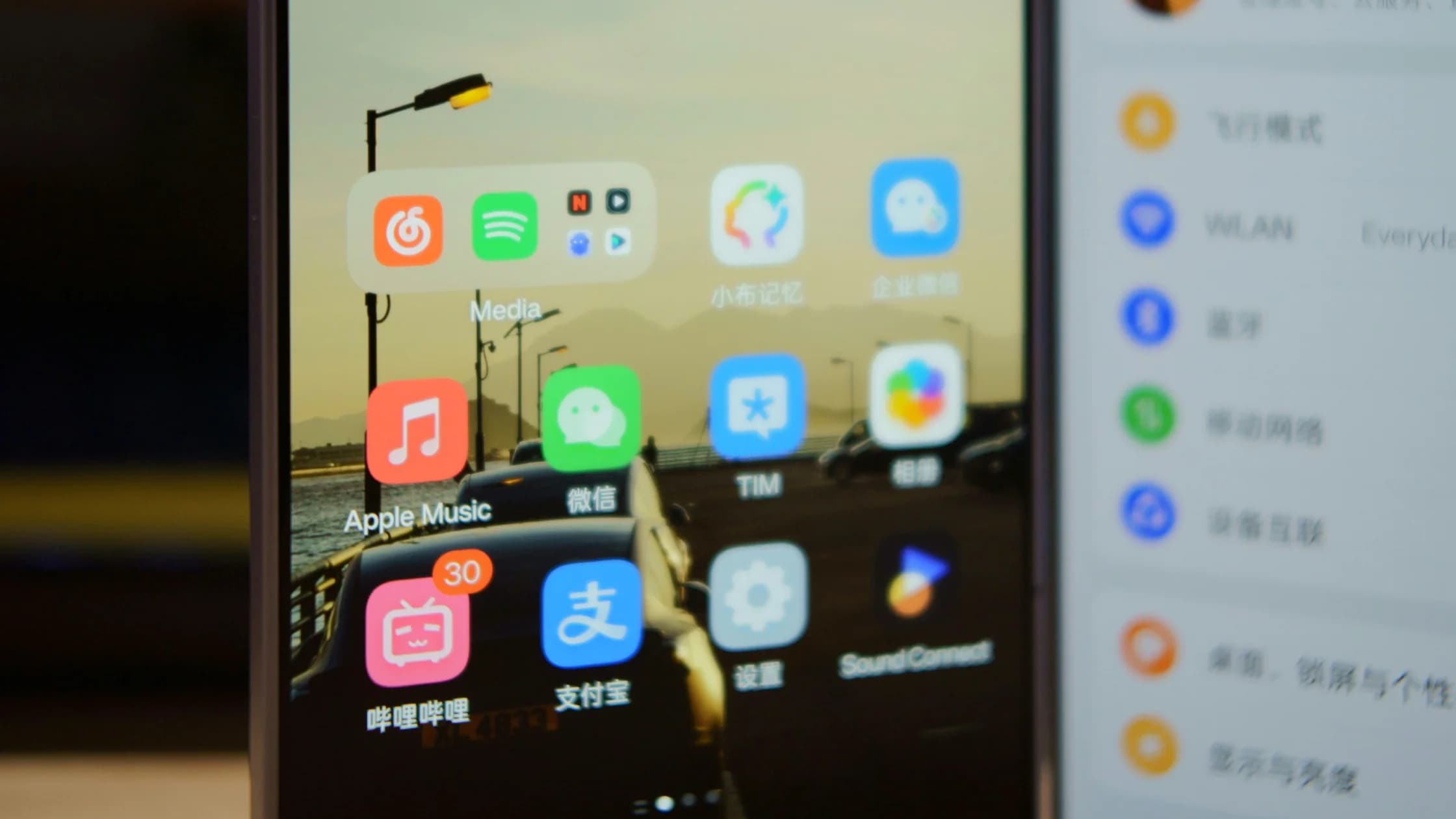

When you use Chinese apps abroad, the hard part is often not simply “the page will not load.” Region-based licensing, phone-number verification, payment region, account risk checks, and network latency can stack together. A VPN can help you change the network exit point and encrypt traffic on public Wi-Fi, but it cannot guarantee bypassing every platform rule.
Key Takeaways
- First decide whether the problem is network access, account verification, copyright region, or payment region.
- Account-based apps such as WeChat and Alipay care about verification and risk checks, not just IP address.
- Content platforms such as Bilibili may have copyright-region limits, so a VPN may not unlock every video.
- Hong Kong, Taiwan, and Japan servers are good first latency tests; China-return routes depend on provider capability.
- Before traveling, keep a mainland China phone number, real-name documents, and backup verification methods ready.
When you access Chinese services from overseas, traffic may cross continents, carriers, and submarine cables. Even if the app does not block you, latency and packet loss can slow it down. Test Hong Kong, Taiwan, Japan, or Singapore first; these are often steadier than very distant routes.
Video and music content often depends on regional licensing. Apple and Google service availability varies by country or region, and content platforms may apply similar territory rules[1][2]. Being able to open the app does not mean every title will be available.
WeChat, Alipay, online banking, brokerages, and delivery apps often care most about account security. Phone number, device, real-name status, payment method, and login location can all matter. A sudden overseas IP can trigger SMS or face verification.
Many Chinese apps still rely on SMS codes for key actions. Before you leave, confirm that your SIM can receive roaming SMS, or prepare an eSIM, backup number, or trusted family-help plan.
Check WeChat, Alipay, banks, travel apps, cloud drives, and email accounts. Make sure your phone number, backup email, and identity details are current. Outdated information makes overseas recovery much harder.
Your app-store region may change after you move abroad. Apple and Google both have country-change rules, and app availability can change with them[1][2]. Install what you need before the trip.
Test Hong Kong, Taiwan, Japan, and Singapore servers. If your provider offers China-return routes, test WeChat, Bilibili, Alipay, and cloud storage separately.
WeChat is primarily about account security. Keep your phone number usable, stay on a familiar device, and avoid unstable login patterns. Switching between countries too often can increase verification. A VPN can improve connectivity, but it should not be treated as a tool for bypassing account rules.
Alipay involves payments and real-name identity, so risk checks are stricter. Use a stable device and familiar network where possible, and avoid frequent server changes. For bank cards, transfers, or large payments, avoid unknown free VPNs and follow payment-security guidance from card networks[3].
If the whole app will not load, the issue may be the network path. If the app opens but a show or livestream is unavailable, the issue may be copyright region. A VPN can change the exit region, but it cannot guarantee access to every title.
| Scenario | First servers to test | Why |
|---|---|---|
| WeChat chats and files | Hong Kong, Japan, Singapore | Stability matters more than exact region |
| Alipay and local services | Fixed familiar server | Reduces repeated risk checks |
| Bilibili video | Hong Kong, Taiwan, or China-return route | Depends on licensing and provider capability |
| Cloud drives and email | Low-latency, low-loss server | Large files need stability |
If you are unsure how to rank servers, read why Hong Kong and Taiwan VPN servers are often faster.
It does not. Platforms may also check phone number, real-name status, device, payment region, and copyright rights.
Account-based apps should not run through unknown free nodes. Verification codes, login behavior, and payment requests should not depend on an unverifiable exit.
Long-term accounts usually prefer a stable region and device. Frequent node changes can make the account look abnormal.
No. If the app opens normally and no region restriction applies, you may not need one. A VPN helps with public Wi-Fi, cross-border latency, and access problems.
It may be a copyright-region limit or a network-path problem. First check whether the entire app fails or only specific content is blocked.
Use a familiar device and stable network, keep your mainland phone number active, and set up backup email and security options. Avoid switching between many countries.
It is not recommended. Payments and real-name scenarios should use trusted networks, not unknown free exits.
Usually it is a good low-latency Asian option, but it may not be enough for mainland-licensed content. Platform rules still matter.
A normal VPN often connects you to an overseas exit. A China-return route focuses on reaching Chinese services from abroad with suitable routing and exit regions.
Disclaimer: This article is for general informational purposes only and does not constitute legal, technical, or other professional advice. We make no guarantees regarding the accuracy, completeness, or timeliness of the content.
In “Using Chinese apps abroad: 2026 Guide”, AethoVPN applies only to the VPN layer and cannot guarantee access.
Sources:
Sources checked 8 May 2026.
Related Articles:
Sign up to experience all premium features at no cost.
*Available only to new users. Each user is limited to one trial.