Start your 3-day free trial
Sign up to experience all premium features at no cost.
*Available only to new users. Each user is limited to one trial.
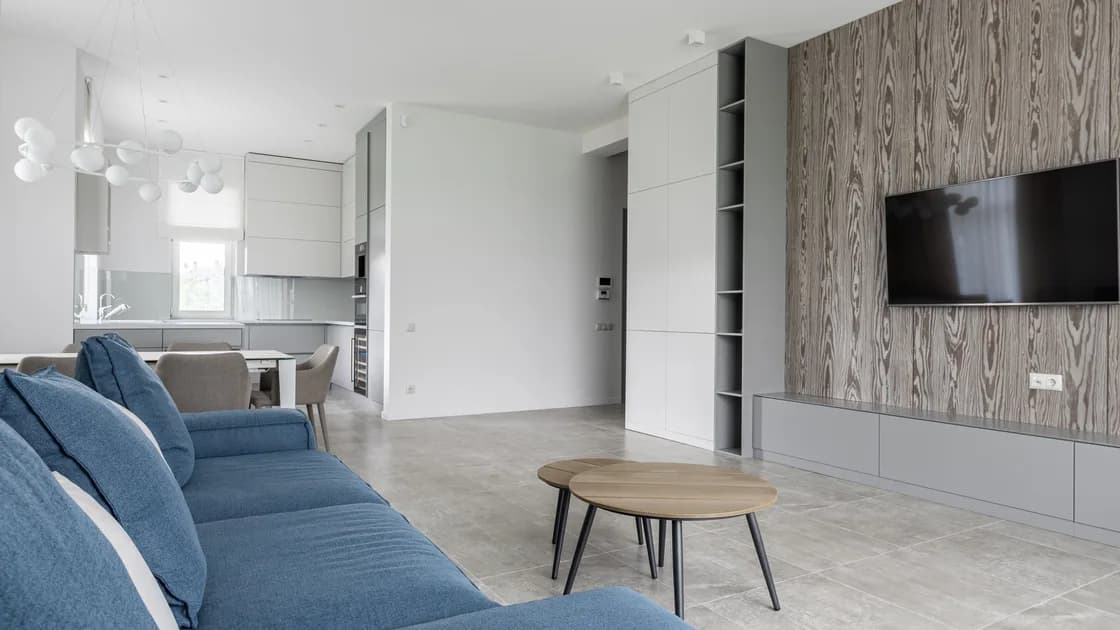

When streaming video has black bars, the player is usually preserving the video's original shape on a screen with a different aspect ratio. That is normal. If faces look wide, circles look oval, subtitles are cut off, or every title is cropped, check zoom, picture-size, overscan, and external-device settings. Removing bars always requires either unused screen area, cropping part of the image, or distorting it.
Key Takeaways
- Bars above and below are usually letterboxing; bars at the sides are usually pillarboxing.
- Netflix advises that zooming to remove normal bars crops the picture.[1]
- A stretched image indicates scaling, while missing edges suggest crop or overscan.
- Apple documents overscan and underscan controls for some TV and display connections.[2]
- Test one known title in the built-in TV app before changing several devices.
The streaming troubleshooting hub covers broader playback and connection symptoms. This guide stays with picture geometry, not blur, HDR, or audio timing.
First compare more than one title. A cinema film may be wider than a 16:9 television, so the player uses black space above and below rather than deleting the left and right edges. Older television programs, concert footage, and vertically recorded clips may be narrower, producing bars at the sides. A very wide image inside older 4:3 material can show bars on all four sides, sometimes called windowboxing.
Netflix explains that some titles are produced in a format wider than the screen and that black bars can therefore be expected. It also warns that zooming can crop the video.[1] If menus fill the screen but only particular films have bars, the source shape is the leading explanation. Check another episode and a modern 16:9 test title before touching the television.
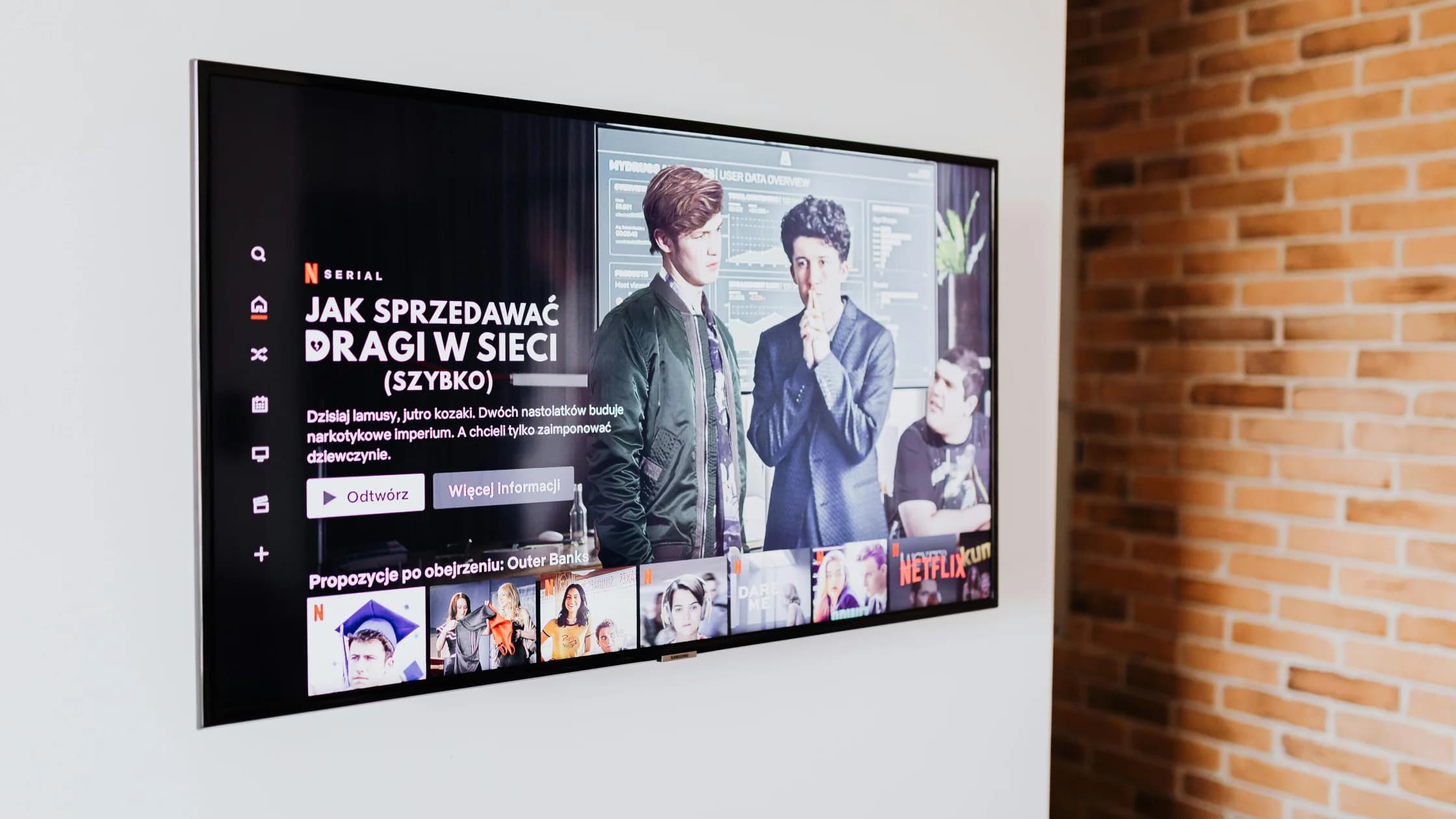
Do not use promotional thumbnails as evidence: artwork is often reformatted independently of the program. Pause on a scene with faces, circles, or straight architectural lines. Photograph the whole screen and note the title, episode, timestamp, app, device, and whether subtitles remain visible.
Classify the shape. Horizontal bars normally reconcile a wide source with a less-wide display. Vertical bars normally reconcile a narrow source with a widescreen display. Bars on every side may be embedded in an older master, added during a previous conversion, or produced by two scaling stages. If the controls or subtitles appear over the black area, the app is probably creating it; if everything including burnt-in captions sits inside a smaller rectangle, the bars may be encoded into the video.
Change nothing while comparing the same timestamp in a second official client. If the bars appear identically on a phone and TV, the master or service presentation is likely responsible. If only one input shows them, focus on that player, cable, receiver, or television input.
A black band is not automatically a defect. Look for objective geometry errors: people unnaturally wide or thin, circles becoming ovals, the top of a head missing, channel logos clipped, or subtitles outside the safe area. Those signs separate stretching and cropping from faithful presentation.
Open the official player's display menu and look for labels such as Original, Fit, Auto, Zoom, Fill, Crop, or Stretch. Names vary, so read the on-screen description instead of assuming that “full” means accurate. Begin with Original, Fit, or the documented automatic mode. Exit and reopen the video to make sure the choice applies to playback rather than only the app interface.
Zoom or Fill can remove black bars by enlarging the frame until it reaches every edge. On a wider film, that cuts away content on the left and right; on a narrow program, it cuts the top and bottom. Stretch keeps all pixels visible but changes their geometry. Netflix specifically notes the crop tradeoff when zoom is used to remove bars.[1]
If the setting changes only one title, return it to the accurate mode and accept source-appropriate bars. If every title remains distorted, reset only the player's picture-size control, not the whole device. Record the old value before changing it so the test is reversible.
Televisions often store picture size separately for each HDMI port, built-in app, resolution, or input type. Open the TV's picture-size menu while the affected video is actually playing. Prefer labels such as Just Scan, Screen Fit, Direct, 1:1, Original, or Auto when the manual defines them as pixel-accurate. Avoid Stretch, Wide Zoom, Cinema Zoom, and similar modes during diagnosis.
Use a paused frame with a circle, a face, and content near every edge. Change one control, inspect the same frame, then restore it if geometry gets worse. Picture presets such as Cinema or Sports may be separate from aspect-ratio controls; do not reset color, motion smoothing, or HDR merely to fix framing.
If the built-in streaming app is correct but an HDMI player is not, the TV may remember a different size mode for that port. If only broadcast television is affected, its tuner can have a separate setting. Write down the exact input, resolution, refresh rate, and mode rather than describing the entire television as broken.
Overscan enlarges the incoming picture so its outside edge falls beyond the visible panel. It can clip menus, subtitles, score graphics, and computer desktops. Underscan makes the whole input smaller, leaving a border around it. These terms describe display fitting, not internet speed or video quality.
Apple documents an Overscan setting on Apple TV and explains that some connected Macs expose an Underscan slider when content does not fit a TV.[2] Other manufacturers use different names, and not every model offers the control. Follow the documentation for the exact output device and television; do not copy a value from an unrelated model.
Use a calibration screen or a computer desktop whose four corners are known. Disable overscan or select the pixel-mapped TV mode, then check whether all edges appear. If a border grows instead, return to the prior setting and inspect the output resolution. Do not enter a hidden service menu: consumer picture-size controls are the appropriate boundary.
An external streamer, game console, set-top box, AV receiver, capture device, or HDMI adapter can scale the image before it reaches the TV. Connect the player directly to the television for one controlled test if that is safe and convenient. Keep the same title and timestamp. If geometry becomes correct, reintroduce the receiver or adapter one component at a time.
Set the output to a resolution and refresh rate supported by both devices. Automatic output is a good baseline; a forced computer resolution or legacy 4:3 mode can create borders or stretch. Check the external device's display-area calibration and the TV's mode for that exact HDMI port. Replace a cable only when the link also drops, sparkles, or fails negotiation; a stable but wrongly scaled image is usually a setting problem.
Do not change HDCP options, install unofficial firmware, or force unsupported modes. Record the device model, software version, output resolution, receiver path, and which direct-connection comparison changed the result.
Casting can mean the TV fetches the stream itself, while screen mirroring sends a copy of the phone or computer display. A mirrored phone portrait, a browser window, or a desktop with a different ratio may legitimately leave unused space. Rotate the source before playback, enter full-screen mode, and compare with the receiver's native app.
If native playback is correct but mirroring is not, check the sending device's display scaling and the receiver's fit mode. Do not pinch-zoom a film as a permanent repair; it may hide controls, subtitles, or important image areas. If a web player alone is wrong, restore browser zoom to 100%, exit full screen, reload, and re-enter full screen.
Compare the native TV app, direct HDMI player, cast session and mirror session one at a time. The point where an extra frame appears helps distinguish source geometry, TV zoom, overscan, HDMI scaling and a mirrored desktop.
Report the title, episode, timestamp, expected and observed bar direction, whether faces are distorted or edges are missing, and whether subtitles are clipped. Include the streaming app and version, playback device, television model, connection path, output resolution, and the exact player and TV picture-size modes. State whether the same scene is correct in a second official client.
Attach a photograph showing the entire physical screen and bezel, not a cropped screenshot that hides the boundary. Avoid account details, household information, viewing history unrelated to the case, and serial numbers unless the official support form requires them. If one title alone is affected across devices, contact the streaming service. If every source on one input is affected, contact the device or TV maker.
For a soft image with correct geometry, use the blurry-video guide. For missing dynamic range, use the HDR guide. If lips and sound differ, follow the audio/video sync guide.
Black bars often preserve the program's intended shape. Identify their direction, compare titles, and look for distortion or missing edges before changing anything. Restore the player and TV to an accurate fit mode, then isolate overscan, external scaling, or mirroring with one controlled path at a time. Accept correct bars; do not trade them for cropped or stretched content without understanding the compromise.
Many films are wider than a 16:9 television. The player adds space above and below so the complete frame remains visible.[1]
Letterboxing usually means horizontal bars around a wide image. Pillarboxing usually means vertical bars around a narrower image.
Only if the source and screen already share the same ratio. Otherwise filling every edge requires cropping or geometric distortion.
A Stretch or incorrect Wide mode is changing the image geometry. Return both player and television to Original, Fit, Direct, or their documented equivalent.
Zoom, crop, or overscan may be enlarging the frame beyond the visible panel. Apple documents overscan and underscan controls on supported connections.[2]
A working cable normally transports the chosen signal; the player, receiver, adapter, output resolution, or TV input mode is more likely to scale it incorrectly.
The sending screen or window may have a different shape from the TV, and mirroring preserves that canvas. Compare with native casting or the TV app.
No. Record and test the picture-size setting for the affected input first. A factory reset can erase unrelated calibration and account state.
Sources:
Sources checked 6 September 2026.
Related Articles:
Sign up to experience all premium features at no cost.
*Available only to new users. Each user is limited to one trial.