Start your 3-day free trial
Sign up to experience all premium features at no cost.
*Available only to new users. Each user is limited to one trial.
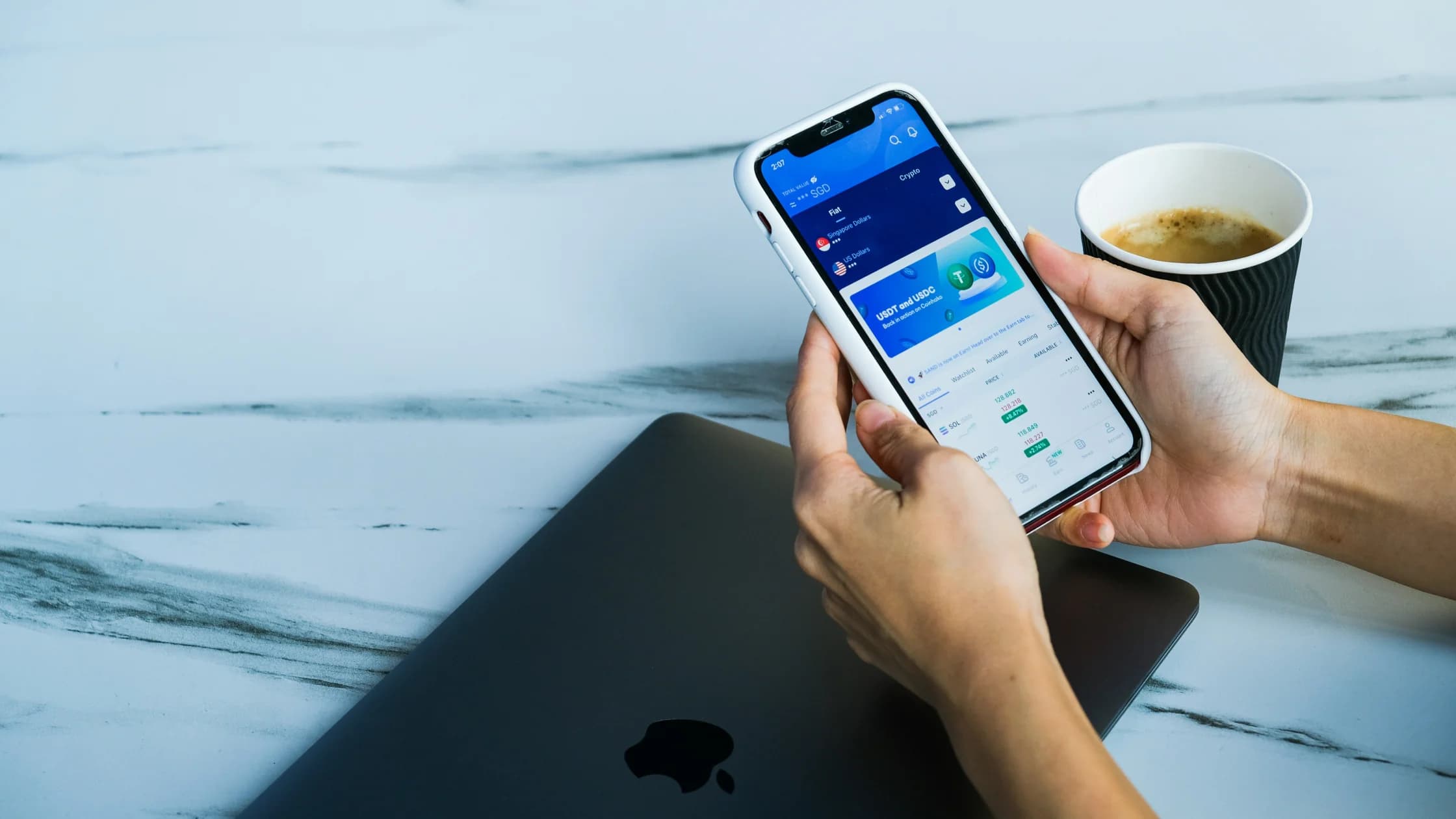

If you keep wondering is my phone listening to me, start with the more useful answer: phones and apps can use the microphone in specific situations, but that does not mean every phone is secretly recording 24/7. Apple and Google both describe permission controls, microphone indicators, and settings that let you review microphone access.[1][2][3][4]
Use the digital privacy guide as the wider checklist: it connects this issue to accounts, devices, identifiers, and data-broker exposure.
When an ad appears right after a conversation, the microphone is not the only explanation. More common signals include:
Key Takeaways
- long-term profiling and behavioral tracking;
- account sync across several devices;
- location, searches, clicks, and social connections that already let ad systems infer your interests.
This guide separates the real privacy boundary from the practical checks you can run today.
For the broader phone privacy setup, read iPhone privacy settings: 10 high-value options to change first (2026).
The feeling is easy to understand. You talk about travel, baby formula, or a projector, and a related ad appears soon after.
But at least three different things could be happening:
In many cases, the third explanation is more common than people expect.
Yes, and many uses are normal:
Apple says apps need to request permission before using the microphone, and iPhone can show an orange indicator when the microphone has been used.[1][2] Google also explains that Android can show microphone indicators and lets you see which app is using, or recently used, the microphone.[3][4]
At least from official permission design, mobile systems are not built around “default unlimited recording.”[1][2][3][4] The more accurate framing is:
The practical response is to audit and tighten access, not to panic.
On iPhone, go to Settings > Privacy & Security > Microphone.[1]
On Android, review microphone access in app permission settings.[3]
If an app unrelated to voice has long-term microphone access, remove that access first.
iPhone shows an orange indicator when the microphone is in use; Android 12 and later can show a microphone indicator too.[2][4] This turns “I suspect something” into “I can see which app is using the mic now.”
If you do not use voice assistants, dictation, or voice search, keep those features in a tighter state.
Pay special attention to:
If you need a broader permission review, pair this with iPhone privacy settings: 10 high-value options to change first (2026).
If you are worried about abnormal apps or malicious pages, also check How to check your iPhone for viruses: 7 practical signs (2026).
Sometimes what feels like listening is really based on:
That may not feel better, but it often explains the experience more realistically than all-day recording.
For a deeper look at who can see browser activity, read Who can see your search history? Do not rely only on incognito mode.
Turning off a permission is a good first step. If the app itself is not trustworthy, removing it is usually cleaner.
Escalate the investigation if you see:
That is no longer only a question about ads. Read Is someone spying on my phone? 8 high-risk signs and the best check order if this matches your situation.
If the whole phone looks compromised, How to know if your phone is hacked: 8 common signs and what to check first is the better next step.
Many ad systems already have enough data points to predict what you may care about next without recording audio. That is exactly why permission management and tracking controls matter.
Instead of chasing a claim that is hard to prove by intuition, tighten the things you can control:
If you mix up private browsing, incognito mode, and tracking reduction, read What does private browsing do? What it hides and what it does not.
Yes. Dictation, calls, voice assistants, and recording features all use it.[1][2][3][4]
No. Ad profiling uses many signals and does not necessarily require constant audio recording.
Look for the orange indicator and Control Center details, and review microphone permissions.[1][2]
Yes. Android 12 and later support microphone indicators and permission controls.[3][4]
Not always. Keep it only for apps that clearly need it.
If you also see battery drain, overheating, strange permissions, unusual system behavior, or abnormal account/location activity, treat it as a security issue.
Disclaimer
This article is for general digital privacy education and does not make factual allegations about any specific phone brand, app, or advertising platform. Features may vary by system version, device model, and region.
As the publisher, AethoVPN notes that is my phone listening remains outside what a VPN can fix.
Sources
Sources checked 8 May 2026.
Related Articles:
Sign up to experience all premium features at no cost.
*Available only to new users. Each user is limited to one trial.