Start your 3-day free trial
Sign up to experience all premium features at no cost.
*Available only to new users. Each user is limited to one trial.
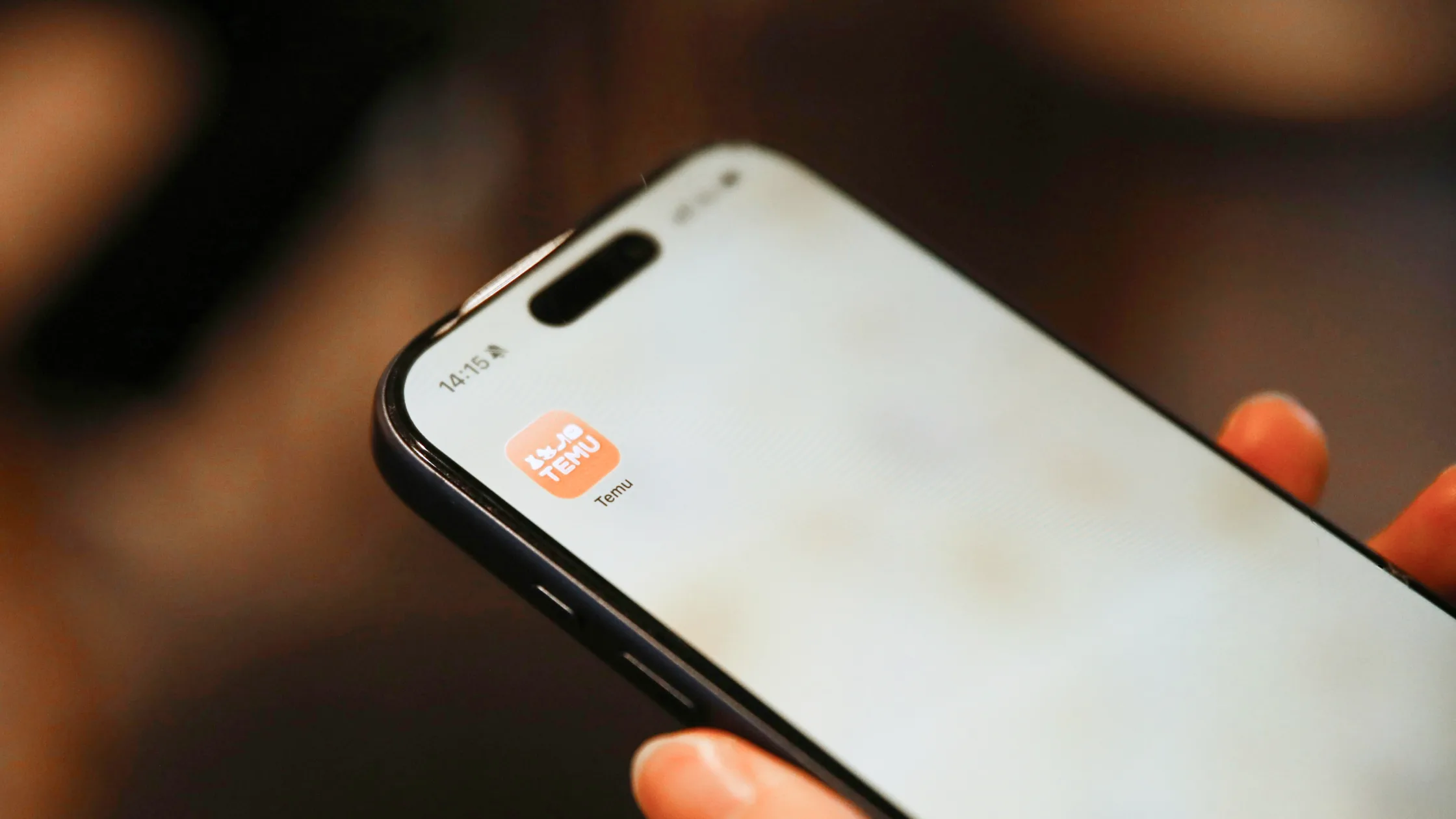

Temu itself is not a scam: it is a real online marketplace operated by PDD Holdings, and the scam risk usually comes from fake Temu messages and lookalike pages that borrow its name.[5][4] Temu safety still takes more than a price check, because Temu's own policy describes broad collection of account, purchase, device, usage, and approximate-location data, and EU authorities have acted on product compliance and sales practices.[1][2][3]
Use the privacy exposure review as the wider checklist: it connects this issue to accounts, devices, identifiers, and data-broker exposure.
Key Takeaways
- Temu is not automatically a scam, but its data collection deserves review.[1]
- Unexpected reward or account messages can be phishing; verify them through a known official channel.[4]
- Marketplace listings can include non-compliant products, so check sellers and certifications.[2]
- Protect yourself by limiting app permissions, using third-party payment methods, and enabling encrypted traffic.
Low prices do not make every promotional claim reliable. The EU Consumer Protection Cooperation Network has identified practices including alleged fake discounts, pressure selling, and forced gamification on Temu; the action was still open when we checked.[3]
A reasonable shopping rule is: low price + high data collection is often not free.
Temu's privacy policy says the service collects purchase details as well as device identifiers, browsing and purchase history, advertising interactions, and approximate location. Review the policy and revoke device permissions you do not need.[1]
Read more in App permissions danger.
Unexpected coupon or reward messages can lead to lookalike pages that request passwords or payment details. The FTC recommends avoiding links in unexpected messages and contacting the company through a website or channel you already know is genuine.[4]
See phishing attack protection for practical verification steps.
Marketplace standards can vary. In May 2026, the European Commission fined Temu €200 million under the Digital Services Act for failing to properly assess the risk of illegal products; its mystery shopping found unsafe chargers and baby toys.[2]
If a Temu deal or warning reaches you through a message, check it before you sign in or pay:
Use Apple Pay, Google Pay, or PayPal for temporary protection through tokenized checkout.
Enable VPN, use unique passwords, and keep two-factor authentication on for both your account and the email linked to payments.
It is usually possible to complete transactions, but safety is not only about payment success. It is about data handling and social-engineering risk.
Temu is an online marketplace founded in Boston in September 2022 and operated by PDD Holdings, which also runs the Pinduoduo platform in China.[5]
No. The bigger risk is fake Temu links and social-engineering fraud.
An unexpected charge alone does not identify its cause. Compare it with your orders and payment records; if you do not recognize it, contact the card issuer through its official channel.
Public policies disclose broad categories of data collection. In practice, this is mainly used for targeting and personalization.
The policy exists, but low-value items can still be costly in time and documentation.
VPN does not fix bad app behavior, but it reduces network-level interception and profile-linking via IP patterns.
Disclaimer: This article is for educational risk awareness and is based on publicly available security material.
A VPN cannot assess a seller, verify product quality, or resolve a payment or return dispute.
Sources:
Sources checked 4 October 2026.
Related Articles:
Sign up to experience all premium features at no cost.
*Available only to new users. Each user is limited to one trial.