Start your 3-day free trial
Sign up to experience all premium features at no cost.
*Available only to new users. Each user is limited to one trial.
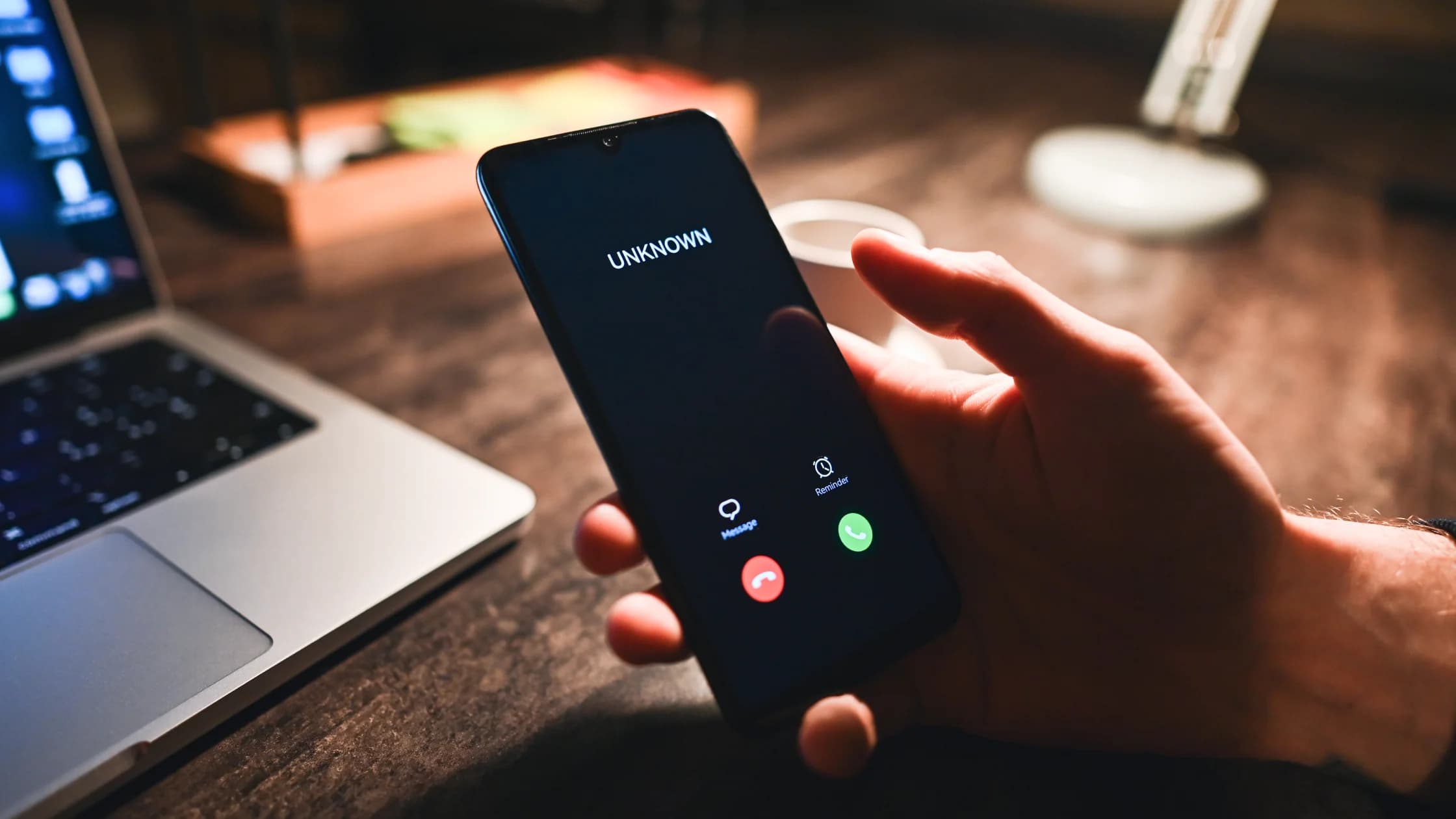

If you keep wondering, why do random numbers call me, the most important answer is not very comforting: those numbers may look random to you, but the people or systems behind them often are not dialing at random. FTC consumer guidance on robocalls and phone scams explains why these calls feel so hard to stop: callers can send them at scale, rotate numbers, spoof local caller ID, and shape their scripts around recent purchases, sign-ups, or public information.[1][2]
So you may see a “random number,” while the caller is often running a targeted test.
Use the digital privacy guide as the wider checklist: it connects this issue to accounts, devices, identifiers, and data-broker exposure.
Key Takeaways
- Random-number calls often come from robocalls, sales dialers, caller ID spoofing, and scam campaigns.[1][2]
- A number that looks random does not mean the caller chose you completely at random.
- If calls suddenly increase, check where your phone number may have been exposed.
- The safest response is filtering, verification, reporting, and reducing exposure, not arguing with callers.[1]
There are a few common reasons:
In other words, “random” is often just the surface pattern you see.
This is the first category to suspect. The FTC says many robocalls are illegal sales calls or scam attempts.[1] They are cheap, high-volume, and automated, which is why it can feel as if a new number appears every day.
If you recently gave your phone number to several platforms, contests, stores, or trial services, it may have entered more marketing lists. These calls are not always illegal, but once the volume rises, the experience can feel very similar to scam dialing.
Once your phone number appears in more databases, public profiles, or breach data, different groups can reuse it repeatedly. That is why some people suddenly see more calls, texts, and fake customer-support messages at the same time.[2][3]
If you just signed up for a service, placed an order, or asked about a product, scammers may find it easier to invent a believable reason for calling. That does not prove the platform did something wrong, but it does mean you should be more alert.
Two explanations are especially common:
Either way, it is not a good reason to call back.
Use this order:
If calls, texts, and unknown verification messages all increase together, read how scammers get your information: 8 common paths and defenses.
If your phone already labels calls as suspicious, compare that with what Potential Spam means on your phone and how to handle it safely.
This is hard, but it matters. Truly important organizations usually have other contact methods, and they can often leave a legitimate message.
Do not rely on blocking numbers one by one. Use built-in call blocking, carrier filtering, number blocking, and reporting together. For the practical steps, see how to stop spam calls: 7 steps to reduce nuisance and scam calls (2026).
Do not provide verification codes, birth dates, bank details, or account-confirmation information to someone who called you first.
If your number has clearly entered more lists, filtering alone is not enough. Review sign-ups, public profiles, merchant forms, and marketing entries that may keep exposing your phone number.
These ideas overlap, but they are not the same:
For the label itself, read what Potential Spam means on your phone and how to handle it safely. For area-code tricks, read are unfamiliar area-code calls scams? 6 signals to check first (2026).
Not always, but if calls, texts, and unknown verification attempts increase together, broader exposure is a reasonable concern.[2][3]
That is common in caller ID spoofing or neighbor spoofing, where the goal is to make you more likely to answer.[1]
Answering alone usually is not the whole problem. The risk rises quickly if you provide information, call back, click links, or send money.
Truly important organizations usually have more than one verifiable contact path. An unknown call does not have to be your only chance.
Not always. Blocking repeat offenders is useful, but one-time spoofed numbers may belong to real people whose caller ID was abused.
Disclaimer: This article is for general digital safety and anti-scam education only. It does not constitute legal advice, carrier-service advice, or case-specific recovery guidance. Call types, risk labels, and scam methods can change over time.
As the publisher, AethoVPN notes that random numbers call me remains outside what a VPN can fix.
Sources:
Sources checked 8 May 2026.
Related Articles:
Sign up to experience all premium features at no cost.
*Available only to new users. Each user is limited to one trial.