Start your 3-day free trial
Sign up to experience all premium features at no cost.
*Available only to new users. Each user is limited to one trial.
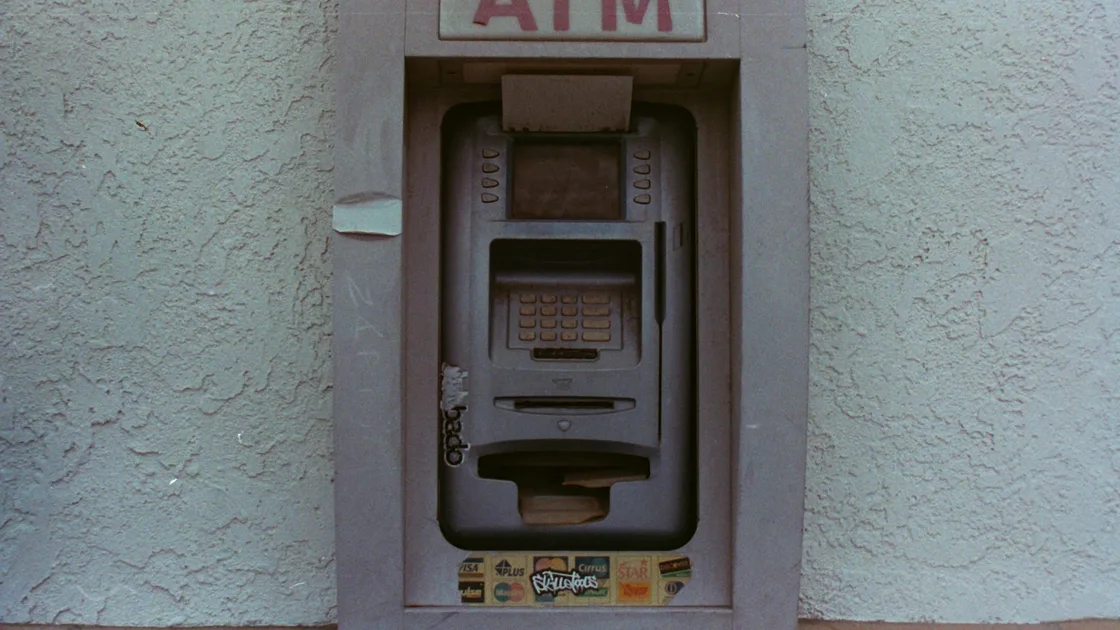

If a foreign ATM dispensed no cash but charged your account, stay near the machine only long enough to confirm that no cash emerges and to record safe details. Then report the event through your card issuer's official channel and, where possible, the ATM operator; distinguish a pending authorization from a posted withdrawal without assuming either will correct itself.
Key Takeaways:
- Record the ATM owner, location, identifier, local time, requested amount, and actual cash received.
- Keep the receipt and account entry, but never photograph a PIN or expose full card credentials.
- Tell the issuer exactly whether the ATM dispensed nothing, only part of the amount, or cash in an unexpected denomination.
- Obtain case numbers from both the issuer and ATM operator and keep one event timeline.
- Use a separate emergency-money plan instead of repeatedly testing the same machine.
ATM failures belong in a broader international travel safety plan. This guide covers a withdrawal you authorized where the cash result does not match the account entry; an unknown withdrawal should be reported as a possible unauthorized transaction instead.
Wait for the ATM to display a completion or error message and for any normal mechanical cycle to finish. Check the cash slot without reaching into or striking the machine. If cash appears after a delay, count it discreetly and note the denominations. If the location feels unsafe, leave immediately and record details from a secure place.
Do not start multiple withdrawals to see whether the first one “unsticks.” A second request creates another transaction and can make the evidence harder to reconcile. If the machine keeps your card, stop this workflow and use the separate retained-card process. If you see loose hardware, an added keypad, or a suspicious overlay, preserve distance and follow the ATM skimming response.
Write down whether the machine dispensed no cash, a partial amount, the wrong denomination, or damaged notes. Note whether the ATM printed a receipt or displayed a reference. Do not leave visible receipts behind. Avoid counting cash in public or confronting a nearby person who claims they can repair the machine.
Lock or freeze the card only if there is a separate security reason, such as loss, theft, suspicious hardware, or an unrecognized transaction. Freezing a card does not reverse an authorized ATM entry and may remove a useful payment method during travel.
Record the bank or operator name, exact location, terminal identifier, local date and time, requested currency and amount, fee displayed, card account used, and result. A terminal identifier may appear on the receipt, screen, ATM label, or account entry. Photograph the machine only when it is lawful and safe, and keep other customers out of frame.
Preserve the receipt even if it says declined or incomplete. Save the mobile-banking entry showing whether the withdrawal is pending or posted, but redact unrelated balances and account details on any copy sent outside the bank. Never record the PIN, one-time password, full card number, or security code.
Create a short statement in your own words while memory is fresh: “I requested 200 in local currency at 14:12; the machine completed its cycle and dispensed zero; my card was returned.” For partial cash, record the exact notes received. Do not round the amount or copy a bank label that incorrectly implies cash was received.
If a staff member is present, ask them to note the machine incident and provide a case number. They may not be able to open the ATM or refund you directly. Do not surrender your card or phone to an unofficial helper, and do not accept cash from a stranger as a supposed correction.
Look at the transaction status and your available balance. A pending entry can reserve funds before final posting; a posted entry has moved further through the account process. The labels vary by issuer, so capture the wording and ask the issuer what it means rather than assigning your own deadline.
Check for more than one entry. Some systems show a pending authorization and later a posted withdrawal before the pending line disappears. That visual overlap is not necessarily two settled debits. Conversely, one posted debit is still disputable when no cash was received.
Compare the ATM's transaction currency, requested amount, displayed fee, and the account currency. Do not confuse an exchange-rate difference or separate ATM fee with missing cash. Record each component without accepting an unfamiliar conversion explanation from an unofficial number.
The Financial Ombudsman Service explicitly includes cases where a consumer says a cash machine did not give the requested money among disputed transactions that may require investigation.[1] That does not promise an outcome; it confirms that “the account shows a withdrawal” is not the end of the evidence review.
Use the number in the issuer's app, on the back of the card, or on its official site. State that you authorized an ATM withdrawal but the machine dispensed no cash or only a specified partial amount. Give the time, terminal identifier, requested amount, account entry, and receipt reference. Ask the agent to repeat the classification back to you.
Request the case number, required evidence, submission channel, response milestones, and any deadline that applies to your account. Ask whether the issuer wants you to wait for a pending item to post before filing a formal dispute, but preserve the initial report date. Do not interpret “wait and see” as a guarantee of automatic correction.
Contact the ATM operator through details printed on the machine or its verified official site. Provide the same factual description and obtain a second case number. The operator may reconcile the machine's cash count and electronic journal, while your issuer remains the normal account-facing contact. Do not allow either party's referral to erase your report.
The US Consumer Financial Protection Bureau advises contacting the bank or credit union promptly and also contacting the ATM owner when a machine provides the wrong amount; it also recommends keeping the receipt.[2] Treat this as a US example, not a universal deadline or procedure for every foreign account.
Keep a table with the issuer case, operator case, transaction identifier, requested amount, cash received, status changes, documents sent, and every contact. Save exact copies of forms and attachments. If you speak by phone, add the date, time, department, and agreed next action without claiming a recording unless you lawfully made one.
Answer requests with numbered evidence. Typical records include the ATM receipt, account entry, your incident statement, terminal photo, travel location, and operator case. Send only what is needed through the official secure channel. A passport or full itinerary is not automatically necessary simply because the event happened abroad.
If a temporary credit appears, record it as provisional until the issuer confirms the investigation outcome. Do not close the operator case solely because the available balance changed. If the debit disappears and later returns, preserve both states and ask the issuer to explain whether the transaction posted, was represented, or was adjusted.
Escalate through the issuer's complaint process if it misstates the cash result, loses evidence, or passes its own communicated milestone. External complaint rights depend on the provider and jurisdiction. Keep the final response because an ombudsman or regulator may require it before accepting a case.
Use a different verified ATM or payment method only after checking the card remains safe. Prefer a machine at a staffed financial institution during opening hours. Avoid repeated small tests that create more fees and account entries. If the card itself stops working, follow the bank-card failure guide.
Contact a trusted travel companion or your bank about approved emergency options. Keep cash, a backup card, and digital access separate where practical. The travel payment preparation guide helps establish independent access before a trip; do not add an unverified recipient under pressure.
Monitor the account for genuinely unknown activity. If the card or wallet is missing, use the lost-wallet response and report that separate security incident. Do not call the original no-cash withdrawal unauthorized merely to obtain a faster channel.
Reconcile the case after the issuer's final decision. Confirm whether the original debit, fees, exchange adjustment, and any temporary credit were handled. Store the decision and evidence for the account's applicable retention period, then remove unnecessary copies from shared travel devices.
Report the incident promptly and ask the issuer how it handles pending entries. It may ask you to wait for posting before a formal dispute, but keeping the initial report and evidence protects the timeline.
Count the notes discreetly and report the exact amount received and the exact amount debited. Do not describe a partial dispense as zero cash, because the machine reconciliation must match your statement.
Record the terminal, location, local time, requested amount, screen message, and account entry. Tell both institutions that no receipt was offered; do not invent a reference number.
Your issuer is normally the account-facing contact, while the ATM operator can investigate its machine. Contact both through verified channels when possible and preserve both case numbers.
Avoid it. A second attempt creates a new transaction and may expose you to another failure or fee. Use a staffed, verified alternative and keep the events separate.
That depends on the account terms, investigation, and applicable rules. List the withdrawal, operator fee, issuer fee, and currency conversion separately so the provider can address each item accurately.
No. It may help protect network traffic within its technical scope, but it cannot control the ATM journal, machine balance, bank investigation, or account adjustment.
Sources checked 4 September 2026.
This article provides general record-keeping and travel information, not legal or financial advice. Investigation procedures, deadlines, credits, fees, and outcomes depend on the issuer, ATM operator, account, and jurisdiction.
Sign up to experience all premium features at no cost.
*Available only to new users. Each user is limited to one trial.