Start your 3-day free trial
Sign up to experience all premium features at no cost.
*Available only to new users. Each user is limited to one trial.


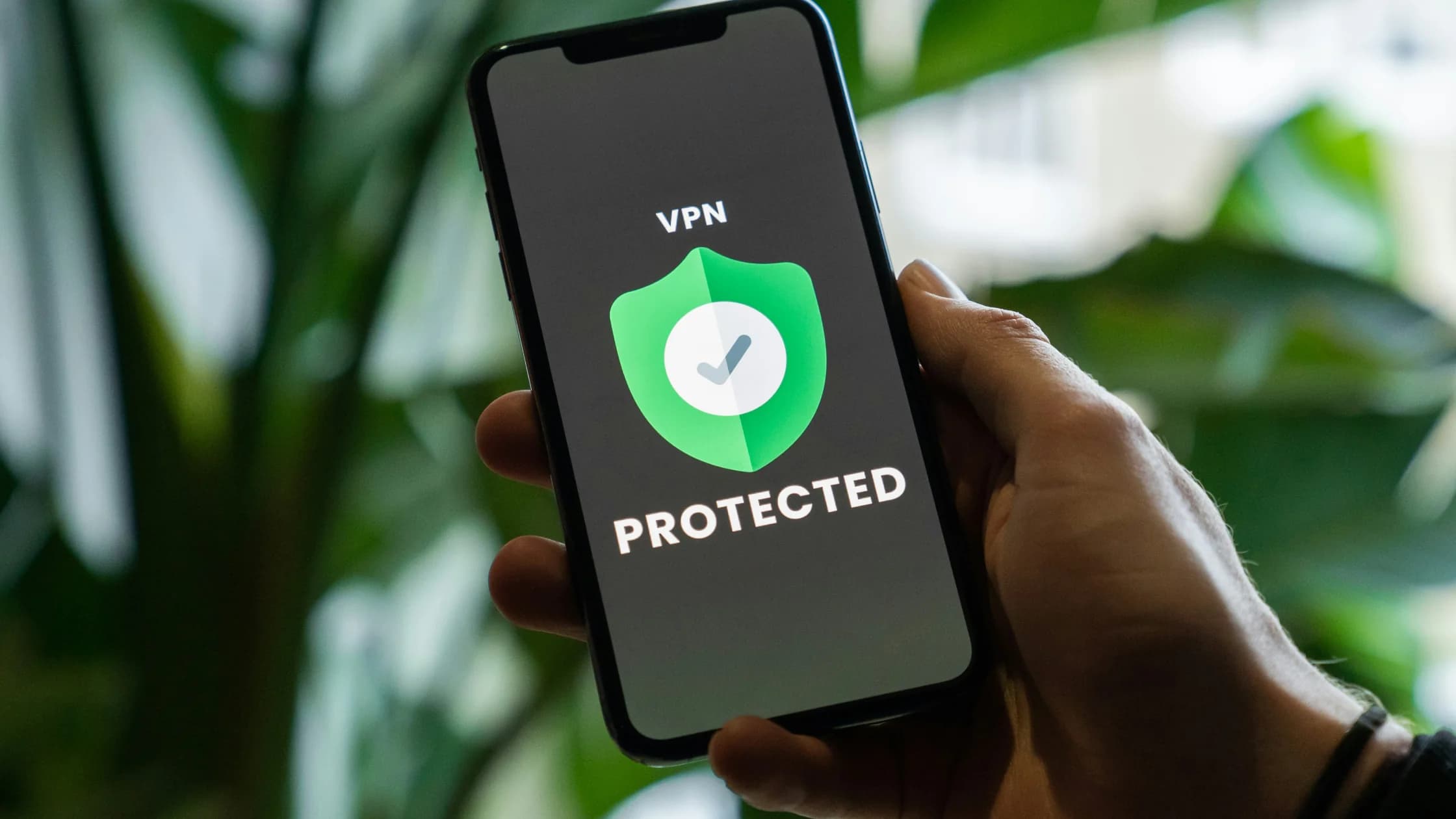
Should you enable VPN auto-connect? For most people, yes, especially if you move between home Wi-Fi, office networks, hotel Wi-Fi, mobile hotspots, and cellular data. The biggest problem with manually connecting a VPN is not the extra tap. It is that you will forget sometimes, and those forgotten moments are often when the network is least trustworthy.[1][2][3][4]
Auto-connect should still be configured thoughtfully. A practical setup connects automatically on unfamiliar networks, skips trusted networks when needed, pairs auto-connect with a Kill Switch, and accounts for hotel captive portals, battery restrictions, and background-permission issues. That is how it becomes useful rather than another mystery toggle.[1][2][3][4]
Key Takeaways
VPN auto-connectis best for people who often switch networks or forget to connect manually.[1][3]- Auto-connect is not the same as forcing a VPN to stay online all the time; it is more like conditional protection.[1][2]
Always-on VPN, auto-connect, andKill Switchare different features. Do not treat them as one setting.[1][2]- A reliable setup is usually: auto-connect on unknown Wi-Fi, exclude trusted networks when needed, and keep Kill Switch enabled.[2][3][4]
- When auto-connect fails, the cause is often background permissions, startup settings, battery saving, or a captive portal rather than a broken server.[1][3][4]
No.
VPN auto-connect means the VPN starts a connection when a condition is met. That condition might be device startup, app launch, joining a new network, reconnecting after a connection drop, or entering a Wi-Fi network that is not on your trusted list. Most mainstream VPN apps build auto-connect around these triggers.
Keeping a VPN on all the time is more of a usage habit: you try to keep the tunnel active so traffic is less likely to go out directly. Android's official Always-on VPN is stricter: it can start the VPN when the device boots and can block connections that do not use the VPN.[1]
| Feature | What it solves | Common trigger | Boundary |
|---|---|---|---|
| Auto-connect | You forget to connect manually | Startup, network change, unknown Wi-Fi | There may still be a short gap before connection[2][3] |
| Always-on VPN | Keeps traffic on the VPN as much as possible | System-level persistence | Common on Android and managed devices[1][2] |
| Kill Switch | Prevents direct traffic when the VPN drops | Tunnel failure, network change, disconnect | It blocks leaks; it does not initiate connections |
This distinction matters. Auto-connect is best understood as automatic reconnection or conditional connection. If you want to reduce the gap during network changes, pair it with a Kill Switch.[1][2][3]
The benefit is not saving a click. It is reducing the chance that you forget to protect yourself.
At home, you may remember to connect. The easier moment to miss is right after joining hotel, airport, or cafe Wi-Fi, or when your phone moves from Wi-Fi to cellular data. The risk is not whether the VPN feature exists. It is whether you remember to use it.[2][3][5]
Not everyone needs a VPN forced on 24 hours a day. Many people do need protection to start automatically on unfamiliar networks. Windows Trusted network detection follows the same idea: trigger when needed, avoid triggering on trusted networks.[2]
Security habits that depend on memory eventually fail. Auto-connect moves a frequent, mechanical, easy-to-forget action into the system. If you want the broader context first, read What is a VPN? A complete beginner's guide.
If you are still deciding whether you are a high-frequency VPN user, read When do you really need a VPN?.
This is the strongest case. Public and unfamiliar networks are risky not just because many people use them, but because you cannot always verify whether the network is legitimate, whether a captive portal is involved, or whether a fake hotspot is present. Auto-connect reduces the time you spend unprotected on those networks.[2][5]
Phones move constantly. One moment you are on home Wi-Fi, the next you are on cellular data in a train station. If you move often, auto-connect is valuable. This also connects directly to Can you use a VPN on cellular data?.
If you know you want your VPN on most of the time, auto-connect is more reliable than repeating the same manual step every day. Read it together with Should I always keep my VPN on?: that article covers whether always-on makes sense, while this one covers how to configure it.
This sounds basic, but it is real. If you have ever finished a sensitive task and then noticed the VPN was off, auto-connect is likely better than another reminder.
If you do not want to tune many settings, start here.
This is the best default for most users. Windows Trusted network detection and Apple's VPN On Demand rules both follow this idea: identify trusted networks, avoid triggering there, and start the VPN on unknown networks.[2][3]
This fits you if:
This fits people who already plan to keep a VPN online most of the time. It is the lowest-effort mode and closest to default protection. The tradeoff is that local services, company intranets, bank risk checks, or LAN devices may occasionally require a pause.
This is the combination I would keep enabled. Auto-connect tries to connect quickly; Kill Switch blocks traffic before the tunnel is ready or after it drops. For people who switch networks often, the combination is steadier than either feature alone.[1][2]
If you want browsers, messengers, and external services protected by default, but do not want to break local banking, printers, or specific work apps, add split tunneling. Then the question is no longer simply on or off; you can route by app or service.
Android documentation says Always-on VPN can start a VPN when the device starts and can block connections that do not use the VPN.[1] That means Android often offers the most complete auto-connect experience and is well suited to default-on protection.
Android is also more likely to be affected by battery policies. If the device vendor restricts background activity, automatic reconnection may be delayed or appear broken.[1]
Apple's VPN On Demand is closer to "connect when rules match." Rules can involve unknown Wi-Fi, specific domain requests, or internal networks that should not use a VPN.[3] It is powerful, but many capabilities depend on configuration profiles or device-management scenarios, so not every consumer VPN app exposes everything on a personal device.
For iPhone, iPad, and Mac, the practical view is: auto-connect exists, but app-level boundaries vary.[3]
Microsoft describes Windows triggers such as app-triggered VPN, name-based triggers, and Always On. It also supports Trusted network detection to avoid triggering repeatedly on trusted networks.[2]
So on Windows, the best setup is often not "always connect forever," but "connect automatically when I access certain resources or join an untrusted network."
If a Wi-Fi network requires a browser login, a room number, a verification code, or a click-through agreement, the VPN often cannot establish a normal tunnel until that step is complete.[5]
Mobile battery saving, vendor background cleanup, and sleep policies can all affect auto-connect. On Android in particular, if the VPN app is restricted in the background, reconnects may fail or become slow.[1]
On desktops, if the VPN client does not start with the system, app-level auto-connect rules may not run. Windows auto-trigger configuration and the app startup flow are separate layers.[2]
If you accidentally mark a public network as trusted, auto-connect will not trigger. If you fail to mark your home network properly, the VPN may start when you do not expect it.[2][3]
For hotels, airports, malls, and campus networks, open a browser and finish the portal first. Then see whether the VPN connects. Do not assume the server is broken immediately.[5]
On phones, check whether:
On computers, check whether:
Rules can become stale after you change routers, rename Wi-Fi networks, or move between work locations.
If both are enabled, identify whether the problem is "auto-connect did not start" or "Kill Switch is correctly blocking traffic after a disconnect." They can look similar, but the fixes differ.
If the real issue is that the VPN itself cannot connect, continue with VPN not connecting? Common causes and fixes.
The first option is simpler; the second is more balanced. Most everyday users are better served by the second because it matches real life more closely.
If you use local banking apps, LAN printers, smart-home devices, or company-specific systems, plan trusted networks or split tunneling ahead of time. Otherwise, auto-connect may feel like it is causing problems when it is simply doing what you asked.
Test the rule before departure instead of assuming that “always on” means every transition is covered. Confirm that unfamiliar Wi-Fi, cellular data, and personal hotspots are included, while home or office exclusions still match your real trusted networks. Then switch between Wi-Fi, cellular data, and a hotspot and verify that the VPN reconnects without requiring you to remember a manual step.
Captive portals are the main exception. A hotel or airport may require a brief browser sign-in before a VPN can reach the wider internet. Join the verified network, complete only that access step, and reconnect the VPN immediately afterward. If auto-connect still fails, check background permissions, battery restrictions, and the trusted-network list before changing several settings at once.
The captive-portal troubleshooting guide covers the portal exception. If you carry several devices, portable hotspot versus public Wi-Fi explains why the network transition itself matters.
VPN auto-connect is worth enabling depends on how often you switch networks and whether you forget to connect manually.Kill Switch on.[2][3]Usually yes if you often switch between Wi-Fi, cellular data, and hotspots, or if you forget to connect manually. Its value is reducing missed protection, not just saving a tap.[2][4][5]
Auto-connect starts a connection when conditions match. Keeping a VPN on is a usage habit. Android Always-on VPN is closer to a system-level way to keep VPN protection active.[1]
Yes. Auto-connect tries to start the tunnel; Kill Switch blocks traffic if the VPN is down. They complement each other.[1][2]
The network may require a captive portal first: room number, verification code, or terms acceptance. Until that is complete, the VPN may not establish a real tunnel.[5]
Apple emphasizes rule-based VPN On Demand, and many triggers depend on profiles, device management, and authentication methods. Consumer third-party apps may not expose the same unified behavior as Android.[3]
It is a network you know, use regularly, and consider lower risk, such as home Wi-Fi or a fixed office network. Windows and Apple both support the idea of avoiding VPN triggers on trusted networks.[2][3]
Check captive portals, background permissions, and battery restrictions before changing servers. Many auto-connect failures are local device or network issues, not VPN server failures.[1][5]
Disclaimer: This article is for general digital security and product-feature education only. It does not constitute legal, compliance, enterprise networking, or device-management advice. Support for "auto-connect" varies by operating system, device permissions, and VPN client.
AethoVPN can be considered for the VPN task in “VPN auto-connect”, with current device availability and local conditions checked through official channels first.
Sources:
Sources checked 8 May 2026.
Related Articles:
Sign up to experience all premium features at no cost.
*Available only to new users. Each user is limited to one trial.