Start your 3-day free trial
Sign up to experience all premium features at no cost.
*Available only to new users. Each user is limited to one trial.
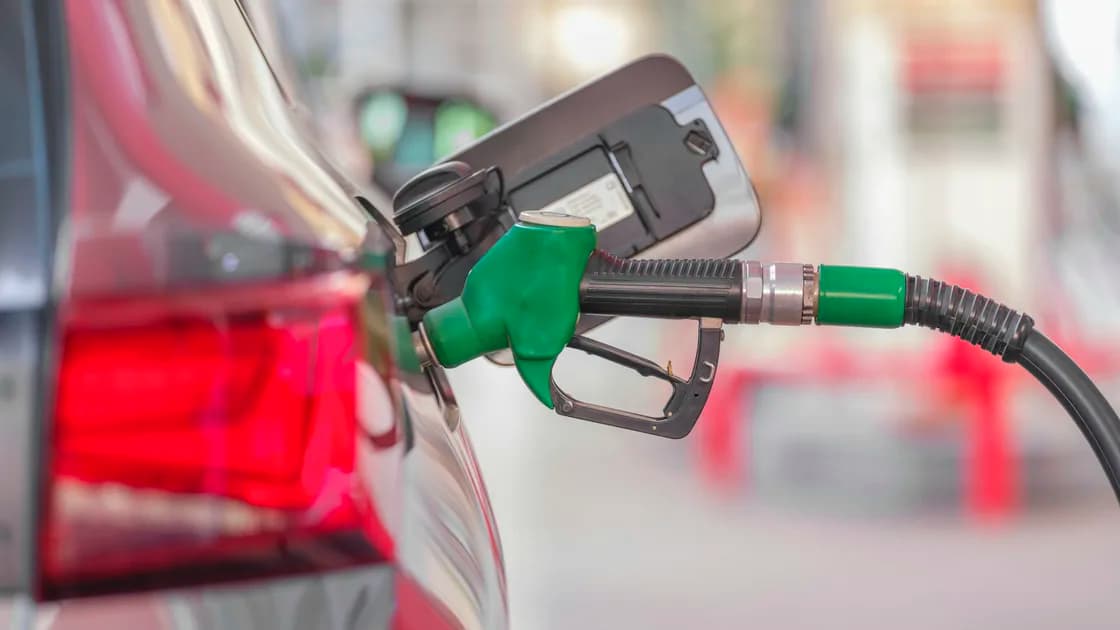

Foreign drivers can use self-service fuel stations in China by confirming the vehicle's exact fuel type and grade before arrival, following the site's entry and safety signs, authorizing the correct pump through an official counter, terminal, app, or mini program, and checking the pump and receipt before leaving. Self-service availability, identity checks, phone support, payment, and whether you pay before or after filling vary by station, so staff instructions and the physical forecourt take priority.
Key Takeaways:
- Identify petrol versus diesel and the permitted grade from the vehicle, fuel flap, and rental agreement—not from the nozzle color alone.
- Park at the correct pump, switch off the engine, prohibit smoking and flames, and follow all posted restrictions before handling the nozzle.
- Confirm the station, pump number, fuel, amount or “fill” instruction, and payment destination before authorizing.
- If the wrong fuel enters the tank, do not start the engine; keep the vehicle still and contact staff and the rental company or owner.
This article assumes that your driving authority and permission to use the vehicle are already confirmed. The separate guides cover a temporary driving permit, renting with a foreign license, parking and toll services, and the broader China service-planning context.
Read the rental agreement or owner instructions before the gauge becomes low. Find the fuel flap and label, vehicle manual, dashboard fuel symbol, and any rental-company sticker. Record the permitted fuel type and grade in words and a photo that contains no personal data.
| Question | Safe source | Why guessing is dangerous |
|---|---|---|
| Petrol, diesel, or another energy source? | Vehicle manual, fuel-flap label, rental agreement | Wrong fuel can damage the fuel system and engine |
| Which petrol or diesel grade? | Manufacturer-approved label and owner/rental instruction | Higher or lower numbers are not automatically interchangeable |
| Where is the fuel flap and how does it open? | Dashboard symbol and vehicle controls | Moving between pumps creates unnecessary forecourt risk |
| How much should you add? | Tank capacity, gauge, trip needs, rental return policy | Overfilling, wrong return level, or authorizing too much can create disputes |
| Who must be contacted after an error? | Rental contract, owner, roadside assistance | Starting or moving the car can turn a recoverable mistake into damage |
Do not infer fuel from vehicle size, model familiarity, nozzle color, or what another car uses. Variants of the same model can use different fuels. If the label and rental agreement disagree, do not fill until the rental company or owner confirms in writing.
“Self-service” may mean that you scan and operate the nozzle yourself, prepay at a terminal or cashier and then fill, receive staff authorization before self-filling, or use a membership app. Another station may remain fully attended. Treat the process displayed at the specific forecourt as the current rule.
An operator app can request a phone number, account, vehicle, pump number, fuel grade, wallet, or payment authorization. Foreign numbers and international cards are not guaranteed. China's official guide for overseas visitors explains that international cards can be linked to supported mobile-payment services and that some merchants may accept cards or cash, but actual acceptance still depends on the merchant and transaction.[1]
Choose a well-lit official station with clear fuel labels, price display, staff contact, safe access, and a payment path you can use. If the app path fails, ask whether the cashier or attendant can authorize the pump. Do not let an unofficial helper take your card, phone, PIN, password, or payment code.
Use the operator's official help channel for current station-specific questions; Sinopec's customer-help portal is one example.[3] A help portal does not override the fuel label, posted safety controls, or instructions from trained staff at the site.
Before driving onto the forecourt, say or write the exact fuel type and grade you need. Compare the rental agreement, manual, and fuel-flap label. If you cannot read the label, ask the rental company or station staff to identify it while the engine remains off; do not select from a translation app guess alone.
Check the rental return rule as a separate question. “Full-to-full,” a specified gauge level, and prepaid fuel are commercial arrangements, not fuel specifications. Keep the pickup fuel photo and receipt if the return level matters.
If the car is electric, plug-in hybrid, hydrogen-powered, or uses another energy system, confirm whether it has a separate petrol tank and which inlet is which. Never place a fuel nozzle into an unfamiliar port.
Use an official map listing or operator channel as a lead, then rely on the physical station. Check opening hours, vehicle-height or road restrictions, available fuel grades, and whether the site says self-service or staff service. Keep enough remaining fuel to reach an alternative.
Approach slowly, follow arrows and lane markings, and place the fuel flap beside the correct pump without reversing across active lanes. Do not block tanker unloading, emergency access, fire equipment, another vehicle, or a marked out-of-service pump.
Read all safety signs before using the phone or leaving the car. AQ 3010—2022 is the official Chinese industry standard for petrol-station operations; it defines the operating area and establishes safety requirements for refueling equipment and activities.[2] Site controls implement those requirements in the actual environment.
Select Park or neutral as appropriate, apply the parking brake, switch off the engine, and stop smoking or any flame. Ask passengers to remain in a safe place and keep children away from pumps, hoses, nozzles, and vehicle controls.
Put away lighters and do not perform repairs, jump-starting, battery work, or fuel transfer in the operating area. If the station restricts phone use or designates a safe payment location, follow the sign and staff. A payment feature being available does not authorize phone use everywhere on the forecourt.
Open only the fuel flap and cap required for the confirmed fuel. Observe whether the pump, hose, nozzle, ground, or display appears damaged or leaking. If you smell an unusually strong leak, see liquid, damaged equipment, an alarm, or unclear isolation barriers, do not operate the pump; alert staff and move only as directed.
Look for the operator name, pump number, fuel grade, displayed price, official terminal, and staff contact. If a QR code is used, confirm it is part of the pump or official station sign and has not been covered by another sticker. The destination should identify the station or operator and the selected pump.
The station may ask you to prepay a fixed amount, authorize a maximum, request “fill,” or pay after dispensing. Ask how an unused prepayment is returned and how long an authorization can remain pending. Do not assume that a wallet debit, card authorization, or scan means the pump has started.
If an app or mini program requires unsupported registration, use an official alternative: cashier, attendant, terminal, accepted payment method, or another station. Never transfer money to a personal account or give a stranger your unlocked phone to “activate” the nozzle.
Compare the pump number in the payment screen or receipt with the physical pump. Read the fuel type and grade on the pump and nozzle, then compare them again with the vehicle label. Make this a spoken check if staff are assisting: vehicle, pump, fuel, and requested amount.
Confirm whether you selected a fixed monetary amount, fixed volume, or fill-to-cutoff. Fuel prices change, so the amount and liters are different controls. Do not hard-code an expected nationwide price or decide that a different grade is acceptable because it costs more.
Only after all four values agree should you remove the correct nozzle. If someone else has already authorized the pump, the display shows a non-zero previous transaction, or the selected grade changes unexpectedly, replace the nozzle and ask staff to reset or explain it.
Insert the nozzle fully and hold it according to the pump instructions. Watch the display begin from the expected reset state and confirm that the fuel, price, liters, and amount correspond to your authorization. Stay beside the nozzle and vehicle throughout dispensing.
Do not wedge the trigger with an object, defeat the automatic cutoff, top off repeatedly after cutoff, or stretch the hose across a traffic lane. Keep the nozzle in the tank opening and avoid inhaling vapor. If the nozzle stops early, do not repeatedly force it; check vehicle position, tank level, authorization, and staff guidance.
If fuel spills, the hose detaches, the pump alarms, smoke appears, or a person becomes unwell, stop if it is safe, do not restart the vehicle or create an ignition source, warn others, and follow staff emergency instructions. Do not wash fuel into a drain or try to conceal the incident.
Allow the nozzle to stop, release the trigger, wait for dripping to cease, and return it securely to the correct holster. Replace the fuel cap and close the flap. Check that no hose or nozzle remains connected before entering the car.
Confirm the final pump number, fuel grade, liters, unit price, total, payment status, time, and station on the display and receipt. Keep the receipt for rental return, expense reporting, incorrect charge, or fuel-quality questions. If a pre-authorization remains pending, save both the authorization and final sale record.
Walk around the vehicle and check for spills, an open flap, warning lights, or damage. Start the engine only when you are certain the correct fuel was used, all equipment is returned, and the station permits departure.
If the pump will not authorize, separate account login, payment, station identification, pump availability, and staff release. Preserve the error and payment reference; do not scan repeatedly or authorize several pumps. Ask the official cashier or operator to close any stale order.
If you selected the wrong pump or fuel but have not dispensed, stop and ask staff to cancel or reset it. If any wrong fuel entered the tank, do not start the engine or turn on systems that may circulate fuel. Tell station staff, contact the rental company or owner and roadside assistance, and document the fuel, approximate amount, pump, and time.
If the amount or fuel on the receipt is wrong, photograph the pump and receipt without exposing unrelated personal details, note the staff or case reference, and use the operator's official dispute channel. Do not resolve a disagreement by blocking traffic or leaving without completing the station's safety instructions.
No. Some are attended, some combine staff authorization with self-filling, and some support app or terminal workflows. Follow the specific station's signs and ask for staff assistance when the self-service path is unavailable.
Acceptance varies by station, merchant setup, card network, and transaction. Check before dispensing and keep an official alternative; do not assume an app, card logo, or visitor payment guide guarantees acceptance.
Only if that operator currently supports it. If registration fails, ask about the cashier, attendant, terminal, guest payment, or a different official station instead of borrowing an account.
Do not rely on color. Read the fuel type and grade on the vehicle and pump, and ask staff when anything is unclear. The vehicle's approved fuel specification is the deciding reference.
Not automatically. Use a grade permitted by the manufacturer and rental company. A higher number does not correct a petrol-versus-diesel error or override the vehicle specification.
Do not start the engine. Keep the vehicle and ignition systems still, tell station staff, and contact the rental company or owner and qualified roadside assistance for recovery instructions.
Some payment paths place a temporary maximum authorization before the final amount is known. Keep both records and ask the official operator or bank about release timing if the authorization does not reconcile.
No. A network route cannot identify the correct fuel, grant driving authority, change station rules, approve payment, operate the pump, or manage a wrong-fuel incident.
Disclaimer: This article provides general operational and safety information, not vehicle, fuel, legal, payment, or emergency advice. Follow the vehicle manual, rental agreement, station signs, trained staff, and emergency services.
Sources checked 6 September 2026.
Related articles:
Sign up to experience all premium features at no cost.
*Available only to new users. Each user is limited to one trial.