Start your 3-day free trial
Sign up to experience all premium features at no cost.
*Available only to new users. Each user is limited to one trial.


Are private search tools worth using? If you are tired of searching for one thing and then seeing related ads follow you everywhere, they are usually worth serious consideration. Many of these tools are not trying to make search flashier. They are trying to reduce ads, tracking, personalized profiles, and result manipulation. FTC privacy guidance, along with public documentation from tools like Brave and Kagi, points in the same direction: less tracking, fewer ads, and less treatment of users as products.[1][2][3]
Put more plainly: what these tools really sell is not a search box. It is a way to stop your search intent from being recorded and reused so easily.
Use the digital privacy guide as the wider checklist: it connects this issue to accounts, devices, identifiers, and data-broker exposure.
Key Takeaways
- Private search tools are most appealing because they usually mean fewer ads, less tracking, and less long-term profiling.[1][2][3]
- They do not make you anonymous across the entire web, but they can shorten your exposure at the search layer.
- They are especially useful if you often search sensitive topics, hate ad clutter, or do not want past behavior to shape every result.
- If you only use private browsing mode while keeping the same default search engine, many search-layer issues remain.
Because what annoys people is no longer just "too many ads."
The more common feeling is this:
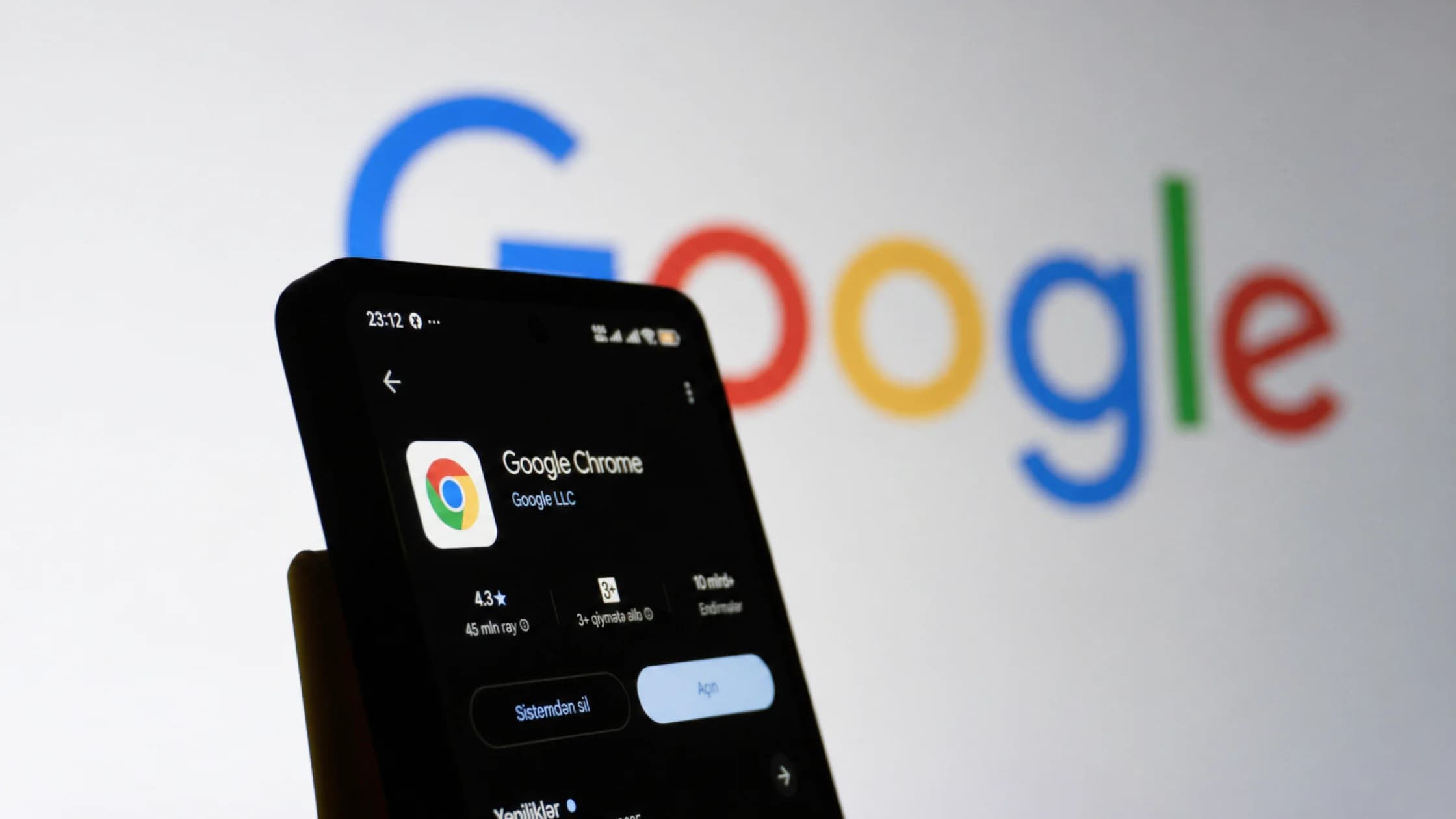
If you are still mixing up browsers and search engines, start with Browser vs. search engine: stop treating Chrome and Google as the same thing.
Search queries can reveal your most honest interests and current situation. Health, finances, jobs, relationships, law, and device problems all carry more concentrated intent than ordinary browsing.[1]
One of the core values of private search tools is reducing how much of that intent gets tied to a long-term profile.
That is why many users care about more than "can I find the result?" They care about "how much behavioral evidence do I have to hand over to find it?"
To follow that exposure chain further, read Who can see your search history? Do not focus only on incognito mode.
Many private search tools make "ad-free" search a core promise. Kagi's own positioning even uses the phrase "Free of ads."[3] For users, that does more than make the page look cleaner.
It also means:
| Experience | Typical ad-driven search | Common private search direction |
|---|---|---|
| Ad clutter | Often more visible | Often reduced or absent |
| Ranking | More likely to be shaped by commercial factors | More focused on retrieval relevance |
| User role | Often treated as an ad audience | More like a direct user |
If you dislike the feeling that every search turns into a feed, this is often the first thing you notice.
The real problem with many search products is not one query. It is that they can connect this search, the next one, last week, and last month into one continuous trail.
Brave and Kagi both emphasize no tracking or minimizing long-term ties between searches and user profiles.[2][3] That can make search results feel more like separate queries instead of a growing surveillance trail.
If you are already dealing with ad profiles and trackers, read What is targeted advertising? It is not just ads that "know you" and What are web trackers? How they follow you and how to block them.
Many private search tools emphasize organic results or try to reduce intervention based on past preferences. That does not automatically make them better than mainstream search, but it often fits these situations:
Some private search tools let you manually change region settings or reduce the bias created by your real location. That helps in several scenarios:
This may not sound like "privacy" at first, but it is connected to reduced profiling: the more you can choose the retrieval angle yourself, the less passively you accept the result environment a platform has already chosen for you.
These tools address the search layer, not the entire lifecycle of being online.
Many people start privacy conversations with VPNs, browsers, or cookies. But the layer most likely to sell you out is often search itself.
If you already understand that search terms are intent data, private search tools are usually practical rather than gimmicky. If you have not yet cleaned up local and browser-side traces, read Cache vs. cookies: one speeds things up, one remembers you and What is the most private browser? Judge by these 5 factors first (2026).
Usually fewer ads, less tracking, and less tying of search history to a user profile.[2][3]
No. Incognito mode mainly limits local saving. A private search tool focuses on how the search service treats your search behavior.
No. It mainly shortens exposure at the search layer. Browsers, site logins, IP addresses, and device fingerprints can still expose you.
Some products build their business model around not selling ads and not earning money from tracking. That changes how they treat your data.[3]
Not necessarily. They usually reduce ads and personalization, but result quality still depends on the product.
If search ads and tracking already bother you, change your default search provider first, then tighten browser and account habits.
Disclaimer
This article is for general privacy education only. Search services may change their logging policies, advertising models, and result-ranking logic over time, so check the official documentation.
For “Are private search tools worth using: 2026 Guide”, AethoVPN cannot replace checks beyond the network path.
Sources
Sources checked 8 May 2026.
Related Articles:
Sign up to experience all premium features at no cost.
*Available only to new users. Each user is limited to one trial.