Start your 3-day free trial
Sign up to experience all premium features at no cost.
*Available only to new users. Each user is limited to one trial.
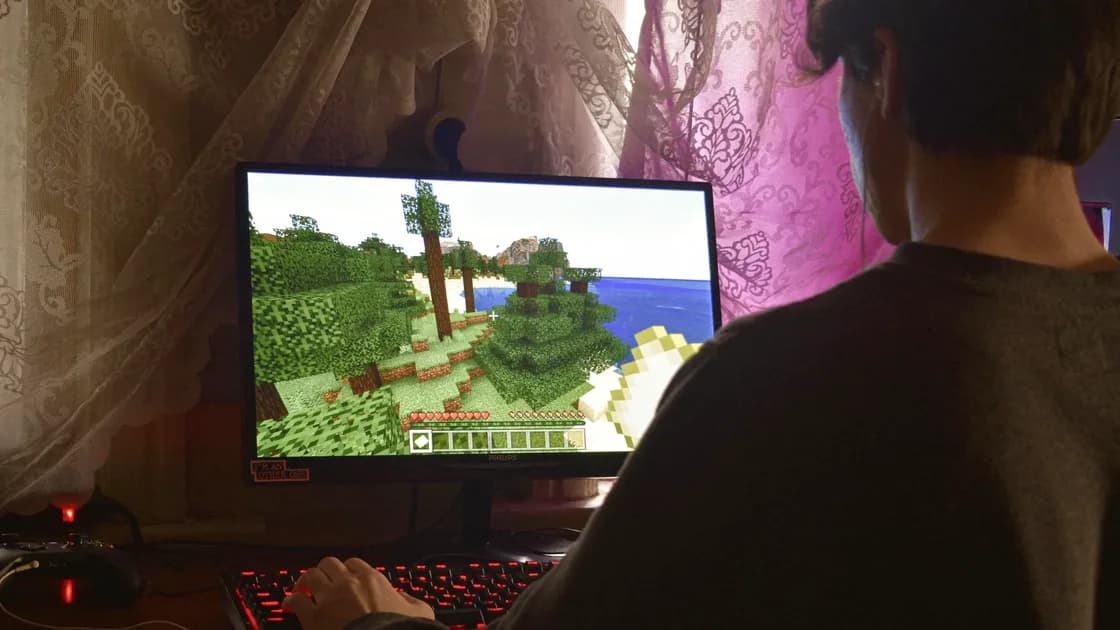

Here is the short version: port forwarding for gaming can help some players, but it is not a universal first step for every connection issue. Its main job is not to make your internet faster. It helps outside connections reach a specific service on a specific device. That can matter for hosting a lobby, peer-to-peer matchmaking, or a restricted NAT type, but many everyday players do not need it.[1][2][3]
More precisely, port forwarding solves an inbound connection problem, not a bandwidth problem. That is why some people see their NAT type improve without a clear drop in ping. Others spend an evening changing router settings, only to learn the real issue was unstable Wi‑Fi, carrier-grade NAT, or the game server itself.[1][4]
Key Takeaways
Port forwarding for gamingmainly improves inbound reachability for some games or host services. It does not directly boost download speed.[1][2]- Xbox publishes network service ports, which shows that open ports can affect online reachability.[2]
- Port forwarding may help with NAT type in some cases, but it does not guarantee lower latency or replace a stable local network.[1][4]
- Opening ports expands your device’s exposure, so only open the ports you need and close them when you are done.[1]
- If you do not host games and do not have a clear NAT problem, you often do not need to touch this setting.
Cloudflare explains port forwarding simply: requests that arrive at a public IP address on a specific port are forwarded to a specific device and port inside the private network.[1] In practice, your router starts directing traffic inward to a device that outside systems could not otherwise reach easily.
For gaming, that usually affects three things:
If NAT, ports, and VPNs are still blending together, start with What is a VPN? A complete beginner’s guide, What is VPN port forwarding? How it works and when it is risky, and What are VPN ports? Common ports, protocols, and blocking explained.
If a game lets you host locally, or you run a dedicated server, other players need a way to connect to your machine. Port forwarding is more likely to help in that setup.
Xbox publishes the ports used by its network services, which is a strong signal that port reachability can affect connection setup.[2] If you see strict NAT, failed invites, or voice chat problems, port forwarding can be one troubleshooting step.
Do not guess here. Check the official documentation first. Nintendo also lists NAT and router settings as common areas to check when troubleshooting online play.[3]
If you usually join other people’s games and do not host your own sessions, many games do not require you to open ports manually.
This is very common. You feel that online play is unstable, but the real cause is wireless interference, packet loss, or latency spikes. Stabilizing your connection often helps more than opening ports. For that path, read Ethernet vs. Wi‑Fi: which home connection should you use?.
If your ISP uses CGNAT or another complex upstream setup, opening a port on your home router may not work at all. At that point, forcing more rules into the router is often wasted effort.
| It may help with | It cannot guarantee |
|---|---|
| Better reachability for some online sessions | Faster downloads |
| A more open NAT status on some platforms | A noticeable ping drop |
| Easier access to a hosted lobby or service | Fixing overloaded game servers |
| Inbound access to a specific port | Replacing a stable local network |
Many tutorials treat port forwarding and lower latency as the same thing. That overpromises. Latency depends more on routing, network quality, and server distance. Port forwarding mostly affects whether a connection can be established, not whether every real-time metric improves.[1][4]
If you are sure you need it, keep the order clean:
Port Forwarding, Virtual Server, or NAT Forwarding.Xbox keeps its port list updated for different services, so use the official list before copying old forum settings.[2]
If you are doing this because of NAT type, also read How to change NAT type on PC: 5 methods step by step.
Cloudflare’s explanation of port forwarding also makes clear that outside requests are directed into a private-network device.[1] Your device is no longer only receiving connections it initiated first.
Many people do not open one port; they copy every rule they see in a guide. Later, it becomes hard to tell which rule is active, which one is useless, and where conflicts are happening.
TCP, UDP, internal port, external port, and target device IP all matter. One mistake can leave you with the same strict NAT or failed connection.
If you only needed a rule for a test or an occasional hosted session, close it when you are done. Do not leave unnecessary ports open all year.
That order usually saves more time than opening ports because a guide told you to. If game feel is your main concern, also read How fast should your internet be for gaming? Bandwidth and latency explained and What is a P2P VPN, and how is it different from a regular VPN?.
Not necessarily. It more often affects connection setup and NAT reachability than every latency metric.[1]
No. It also depends on platform requirements, correct router settings, and whether you are behind carrier-grade NAT.
Often, no. Consider it only when the official documentation requires it or when you have a clear NAT or hosting problem.
Follow the game or platform documentation. Different services require different protocols.[2]
It is not automatically unsafe, but it does expand exposure. Use the fewest ports, the fewest devices, and close rules when you no longer need them.[1]
Not exactly. A VPN changes traffic routing and the network exit point. Port forwarding maps inbound connections to a device. They solve different problems.
Disclaimer: This article is for general network setup information only and does not constitute platform support, network operations, or security audit advice. Before opening ports, make sure you understand the risks and follow the official documentation for your platform and device.
For “Port forwarding for gaming”, AethoVPN cannot replace checks beyond the network path.
Sources:
Sources checked 8 May 2026.
Related Articles:
Sign up to experience all premium features at no cost.
*Available only to new users. Each user is limited to one trial.