Start your 3-day free trial
Sign up to experience all premium features at no cost.
*Available only to new users. Each user is limited to one trial.
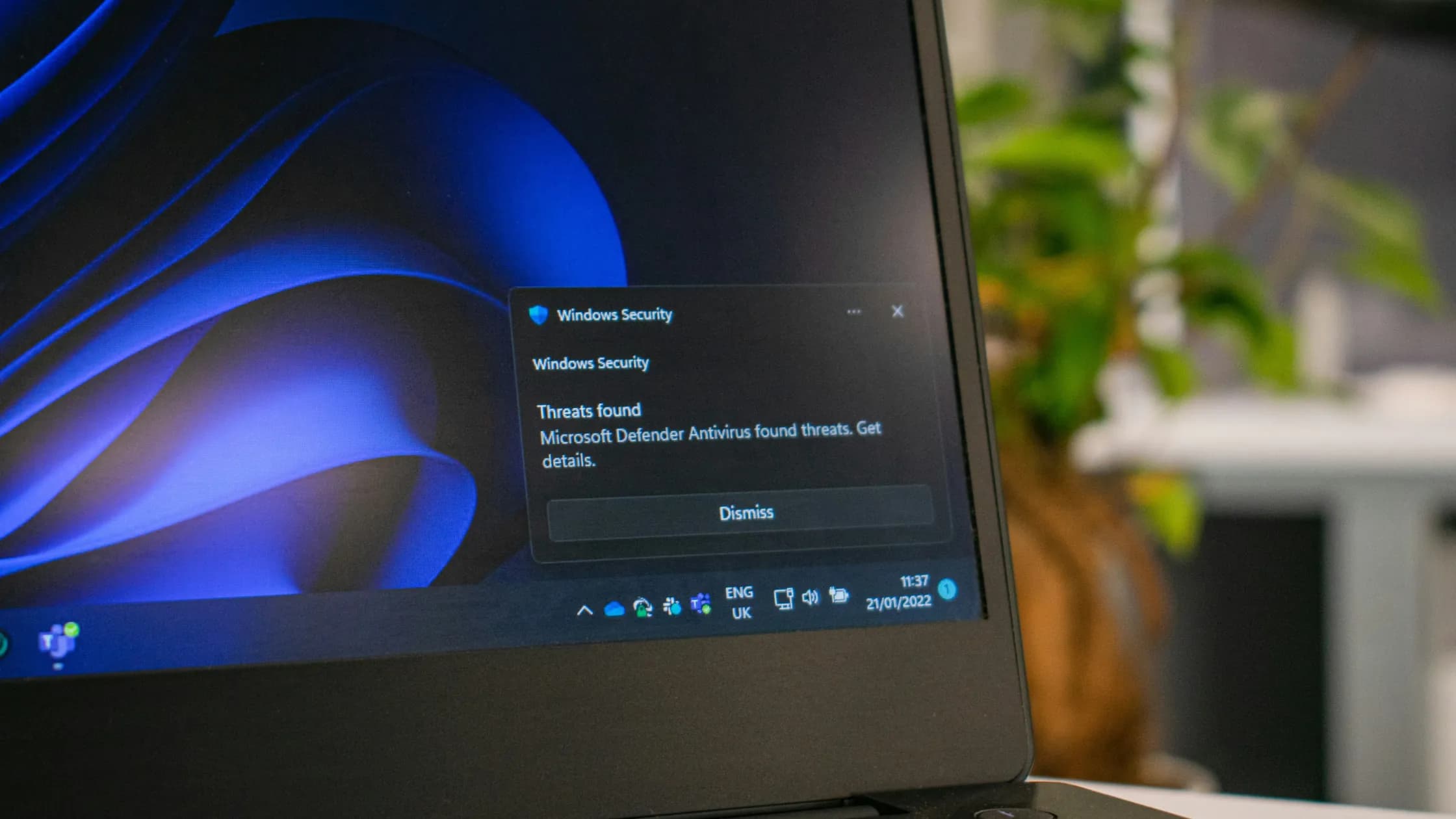

Can antivirus stop hackers? Yes, but only across part of the attack chain. Antivirus can block many malicious files, suspicious scripts, and abnormal behaviors. It cannot reliably identify every phishing page, fake support agent, account trick, or permission mistake for you. CISA, Microsoft, and the FTC all point in the same direction: tools matter, but user behavior, patching, and account security matter too.[1][2][3]
The better question is not simply whether antivirus can stop hackers. It is which common hacker tactics antivirus can stop early.
If you want to separate common attack methods first, read What Are the Types of Hacking? 7 Common Methods and Risk Boundaries.
Use the digital privacy guide as the wider checklist: it connects this issue to accounts, devices, identifiers, and data-broker exposure.
Key Takeaways
- Antivirus can stop many attacks built around malicious files, malicious scripts, and abnormal processes.[1][2]
- It cannot stop every attack that tricks you into handing over a password or permission.
- The more an attack depends on social engineering, account takeover, or fake pages, the less you should rely on antivirus alone.
- A stronger setup combines antivirus, MFA, patching, browser protection, and network protection.
Antivirus is strongest in these situations:
| Scenario | What antivirus can do | Where it stops |
|---|---|---|
| Malicious attachments | Scan and block execution | It helps much less if you type your password into a cloud phishing page |
| Trojans and downloaders | Detect known samples or suspicious behavior | Brand-new samples or zero-day exploits may slip through |
| Ransomware | Detect abnormal encryption and destructive behavior | If detection comes late, files may already be damaged |
| Spyware | Watch for suspicious persistence and communication | It gets harder when you manually granted the permission |
That is why antivirus is important, but its strength is program-level risk, not every kind of risk.
If you type a verification code, password, or card number into a fake website yourself, antivirus may not stop you in time. This risk depends more on spotting suspicious links, domains, and page behavior.
To strengthen that area, read What Is Phishing? Look Beyond Whether a Page Looks Official.
Many account failures do not start with a compromised device. They start with weak passwords, reused passwords, or stolen SMS codes. This risk is better handled with strong passwords and MFA.
If attackers exploit a system or app vulnerability, antivirus may not fully protect you when patches are missing.[1][2]
If a scammer convinces you to install remote-support software, disable protection, or share a code, you have already opened the door yourself.
If you often work on public Wi-Fi, read What Are the Risks of Public Wi-Fi? The Real Problem Is Misplaced Trust.
If you want a clearer split between network protection and endpoint protection, read VPN vs Antivirus: What Is the Difference, and Which Do You Need?.
Yes. In phishing, credential stuffing, fake support, and remote-access scams, the attack point is often not the malicious file itself.
Sometimes it can warn you, but it cannot reliably identify every fake site in advance.
They are not substitutes. Antivirus focuses more on devices and malicious programs. A VPN focuses more on network transmission protection and IP exposure management.
Common causes include permission mistakes, unpatched systems, reused passwords, or threats that happen at the account layer instead of the file layer.
Many everyday users can start with built-in protections, as long as they do not disable default safeguards or ignore updates and MFA.
For most people, MFA, patching, and phishing awareness usually matter more than frequently switching security products.
Disclaimer
This article is for general cybersecurity education only and does not promise any specific attack-blocking rate or product outcome. Device, system version, and user behavior can significantly affect real-world risk.
The AethoVPN editorial team covers antivirus stop hackers here; a VPN is not a substitute for the relevant checks.
Sources
Sources checked 8 May 2026.
Related Articles:
Sign up to experience all premium features at no cost.
*Available only to new users. Each user is limited to one trial.